
Field notes
From the shop and the shoulder
What we've learned building, running, and fixing work-zone trucks — put in plain language.
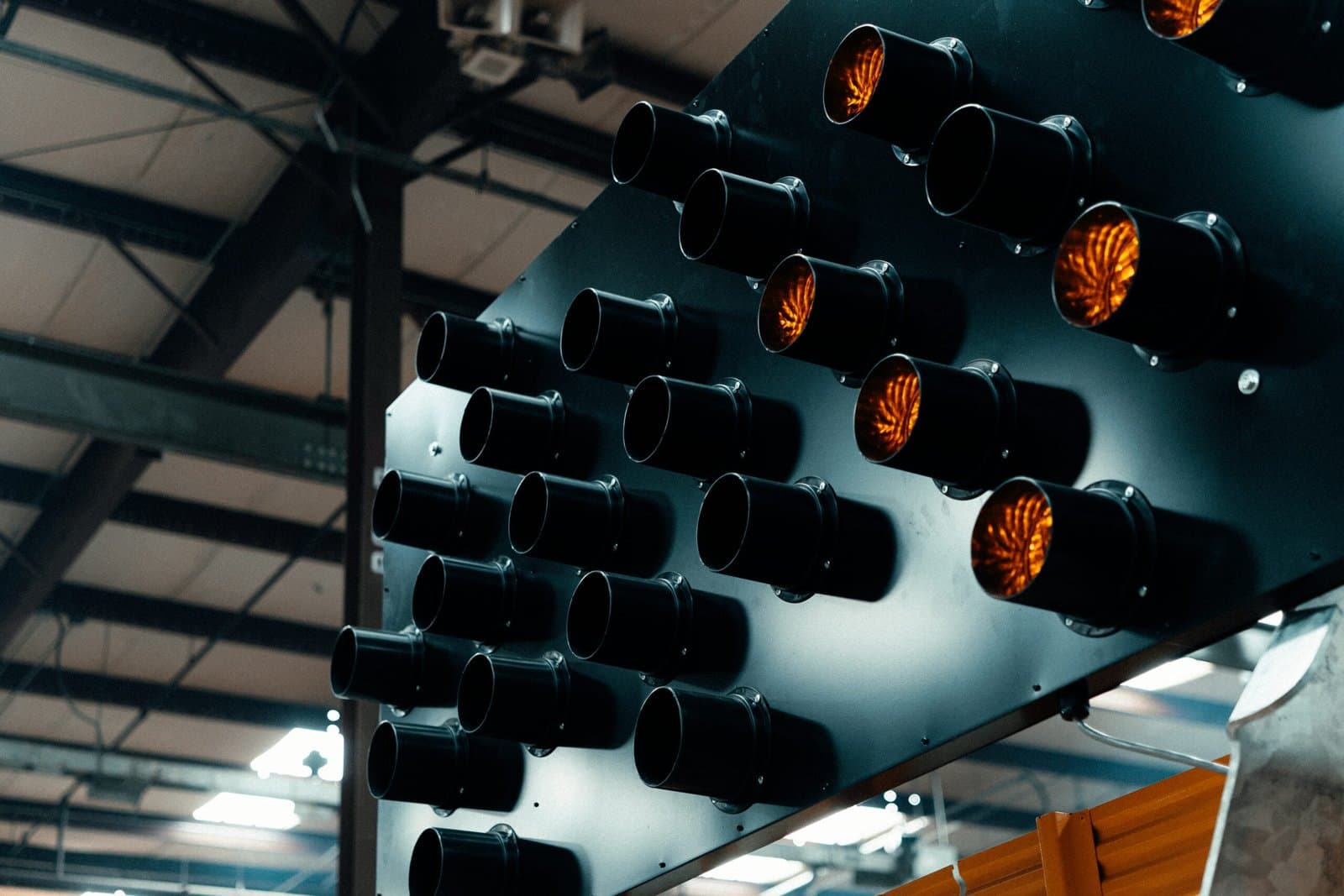
How Weather Changes the Math on Work-Zone Safety
Rain, fog, and glare all shorten the distance a driver has to react before they reach your crew. Here is how weather affects stopping behavior and why a shadow vehicle matters more when conditions turn.
Read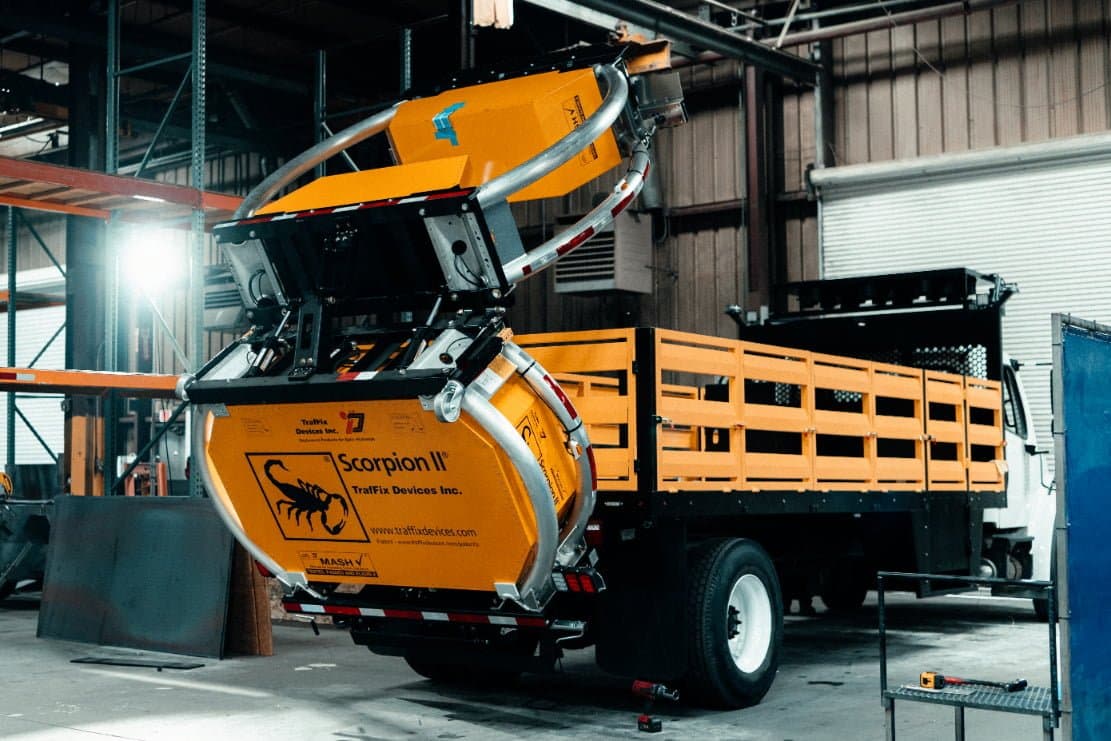 Fleet Operations
Driver Education Only Goes So Far. Plan for the Ones Who Miss the Warning
Training the public to slow down in work zones helps, but you cannot count on it. Here is how driver education and physical protection work together to keep crews safe.
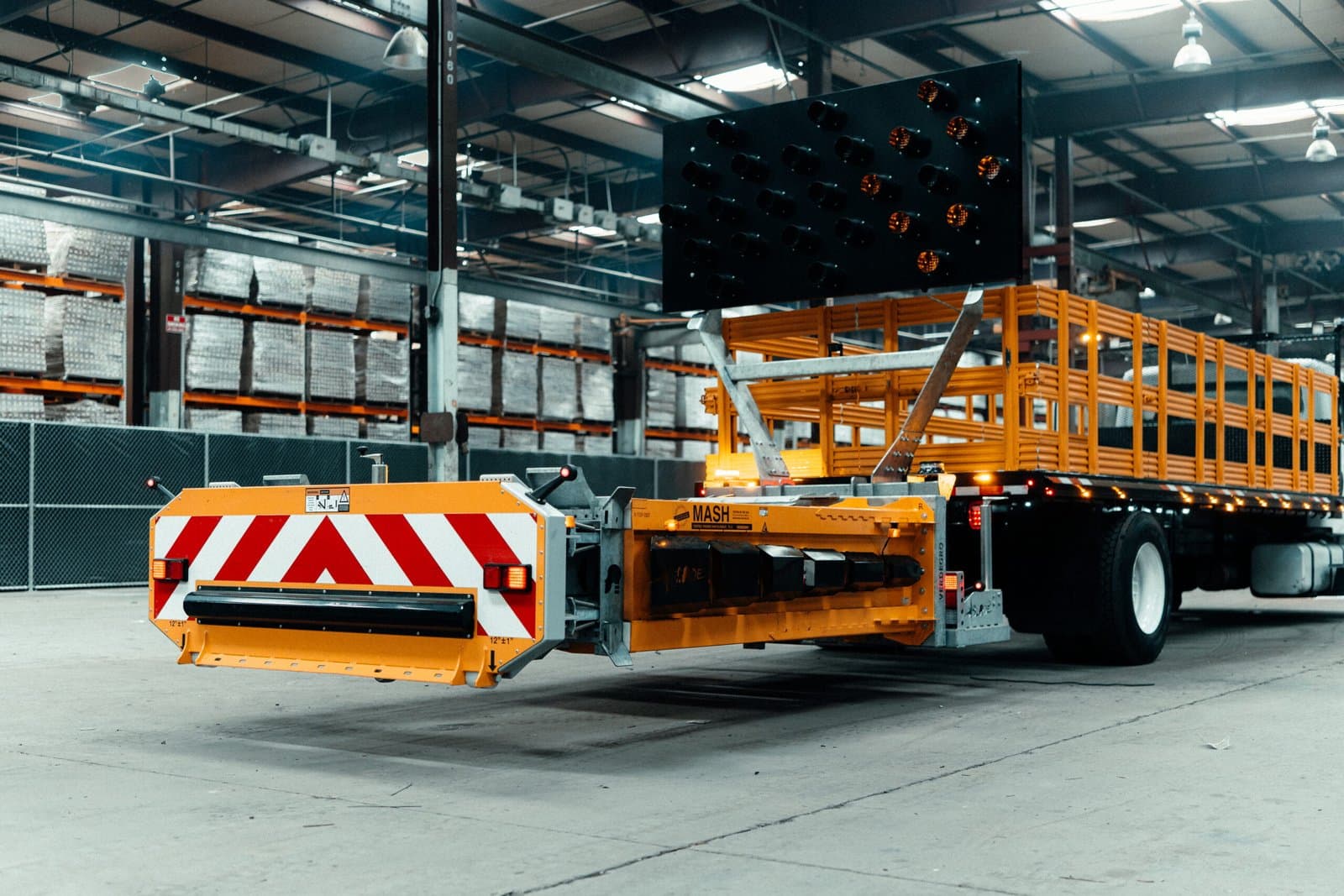 Buying, Renting & Financing
Buying a Crash Truck: The Safety Features That Actually Matter
Not every spec on a TMA build matters equally. Here are the features worth checking before you sign, from MASH eligibility to GVWR to deployment time.
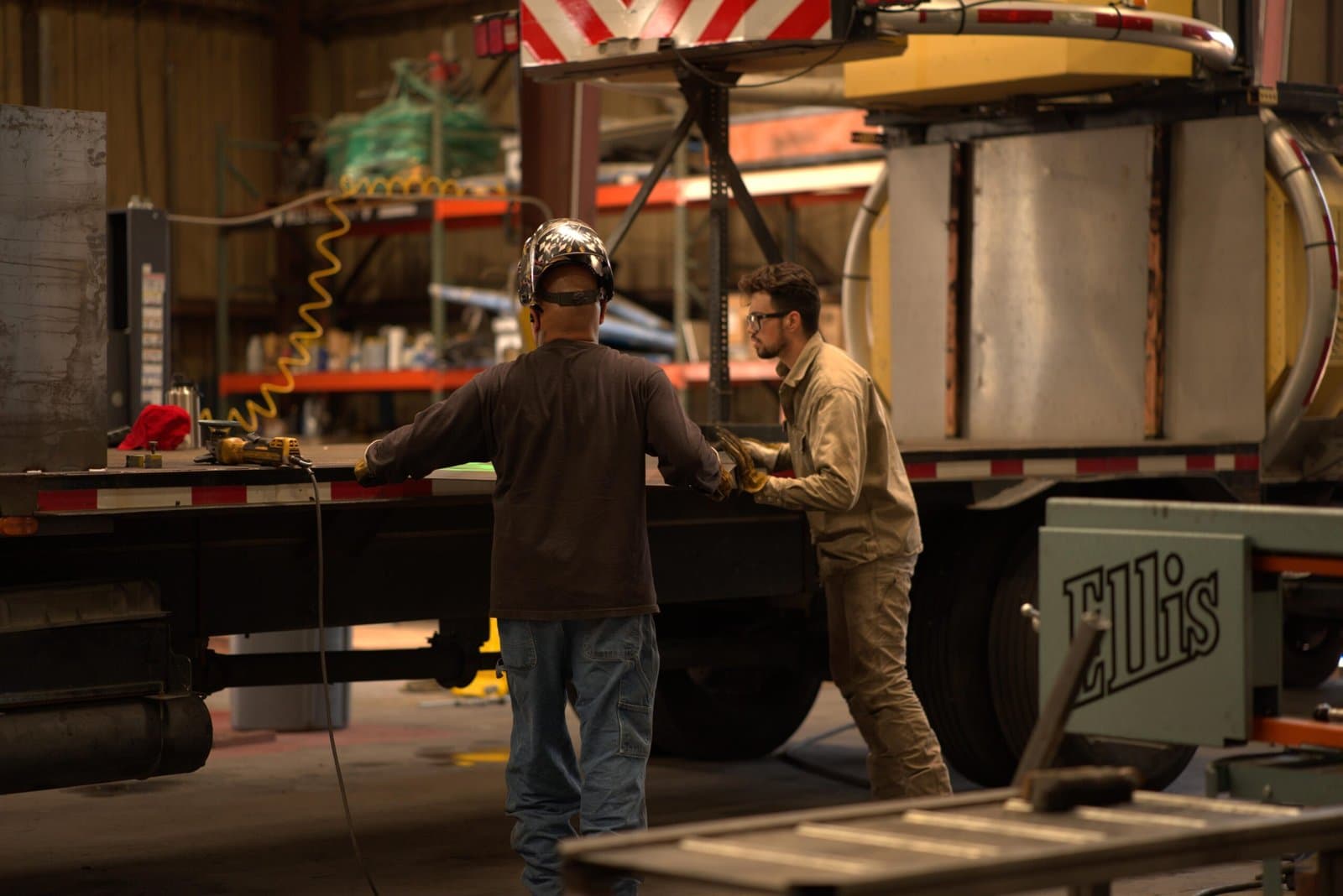 TMA Guides
What a TMA Does in the Two Seconds That Matter
A truck-mounted attenuator earns its cost in a single impact. Here is how the shadow vehicle works, what it protects, and why the details of the build decide the outcome.
TMA GuidesThe Practical Guide to Truck-Mounted Attenuators
Everything a fleet manager needs to understand about TMAs in one place: how they work, what the ratings mean, deployment basics, and how to keep a unit legal.
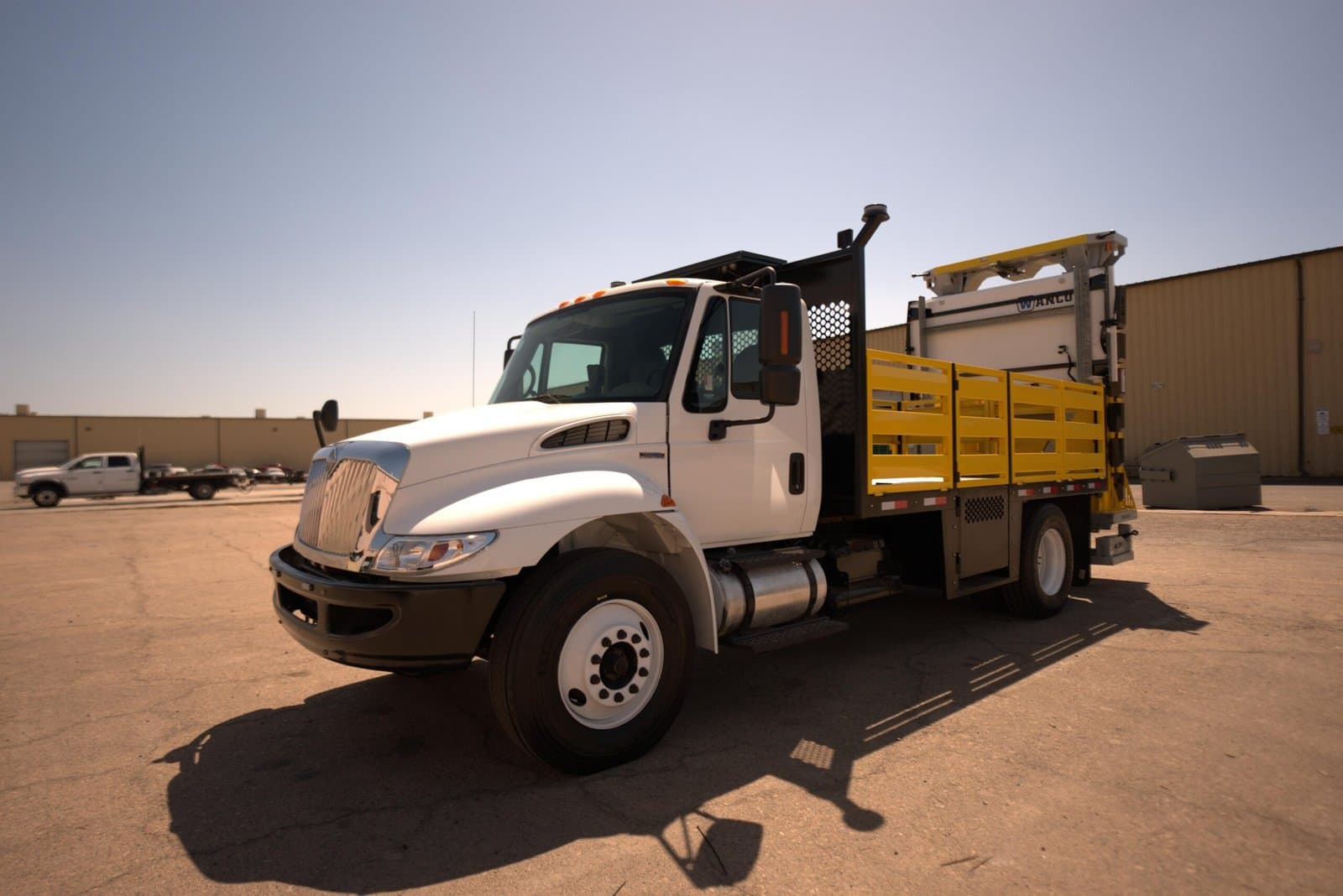 TMA Guides
The Scorpion TMA: What Sets the Non-Blade Design Apart
The Scorpion by TrafFix Devices uses an energy-absorption approach rather than a crumpling blade body. Here is how it works and where it fits in a fleet.
Fleet OperationsWhere TMAs Fit as Roads Get Smarter
Connected vehicles and better traffic data help work zones, but crews still need a physical buffer. Here is how attenuators fit alongside newer road technology.
Maintenance & RepairKeeping a TMA Ready: A Maintenance Baseline
A crash truck only protects your crew if it deploys correctly and stays MASH-compliant. Here is a practical baseline for keeping units ready and legal.
Compliance & StandardsWork-Zone Safety: What Is Changing for TMAs
From the 2030 non-MASH deadline to automation and higher-speed testing, several shifts are reshaping how fleets spec crash trucks. Here is what to watch.
TMA GuidesHow the Blade TMA Crumples to Protect Your Crew
The Blade TMA absorbs impacts through 12 blades that crumple its aluminum body. Here is how the design works and what it means for performance and repair.
Fleet OperationsPlanning a Work Zone Around Your Crash Truck
A TMA protects your crew only if it is placed and deployed correctly. Here is a step-by-step approach to setting up a work zone around a shadow vehicle.
Signaling & BoardsArrow Board or Message Board? Picking the Right Signal
Arrow boards and changeable message boards do different jobs in a work zone. Here is how to choose, plus notes on lamp counts and ballast certification.
Compliance & StandardsMASH, Plainly: What the Standard Requires of Your TMA
MASH 2016 replaced NCHRP 350 and reshaped what a compliant attenuator looks like. Here is what the standard requires, in language a fleet manager can act on.
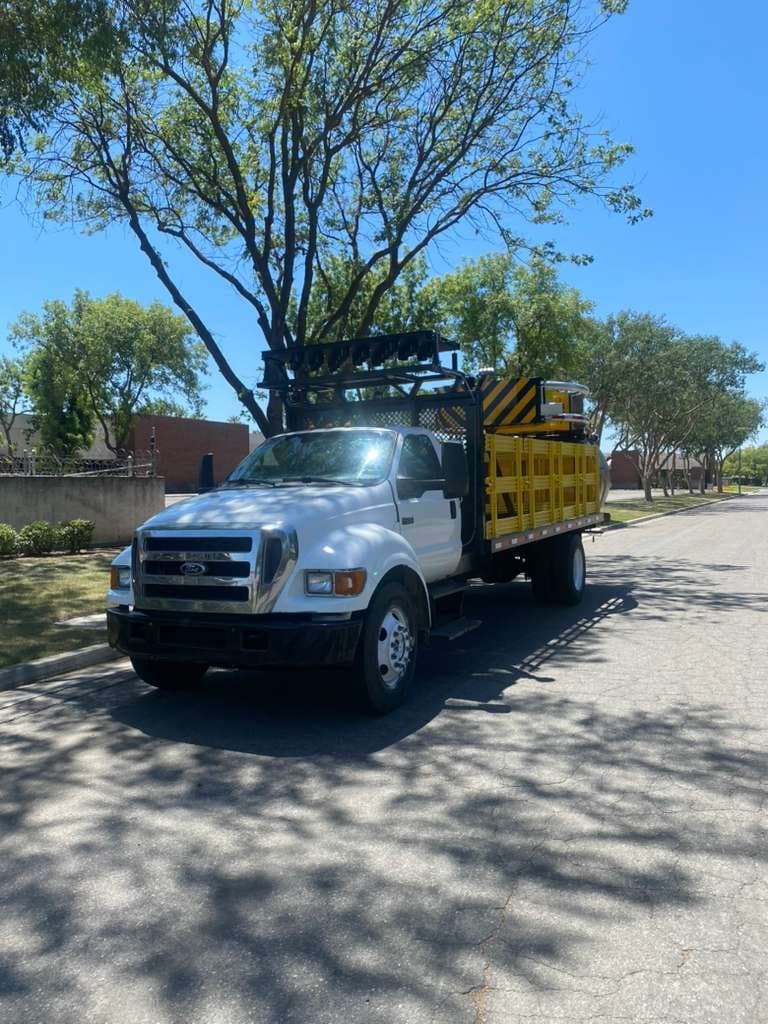 Compliance & Standards
The Legal Side of Running Crash Trucks
Liability, compliance deadlines, and documentation all shape how you run a TMA program. Here is how to keep the legal exposure manageable.
Compliance & StandardsState TMA Rules: Reading the Fine Print Across Jurisdictions
States layer their own requirements on top of the federal MASH baseline. Here is how to approach the differences when your crews cross state lines.
Compliance & StandardsComparing State TMA Requirements: A Fleet Manager's Approach
Two states can require very different setups for the same job. Here is a framework for comparing state TMA regulations without getting buried in code.
TMA GuidesWhat Makes a Modern Attenuator Build Better
Newer TMA builds improve on deployment, transferability, and integration. Here is what to look for in a current-generation crash truck.
Buying, Renting & FinancingThe Real Cost Math on Crash Trucks
A TMA is a real capital line, but the cost of not having one is higher. Here is how to think about purchase, rental, and the economics of protection.
Compliance & StandardsStandards for Attenuator, Crash, and Cone Trucks
Crash trucks, cone trucks, and attenuator trucks all support work zones but answer to different requirements. Here is how the standards apply across them.
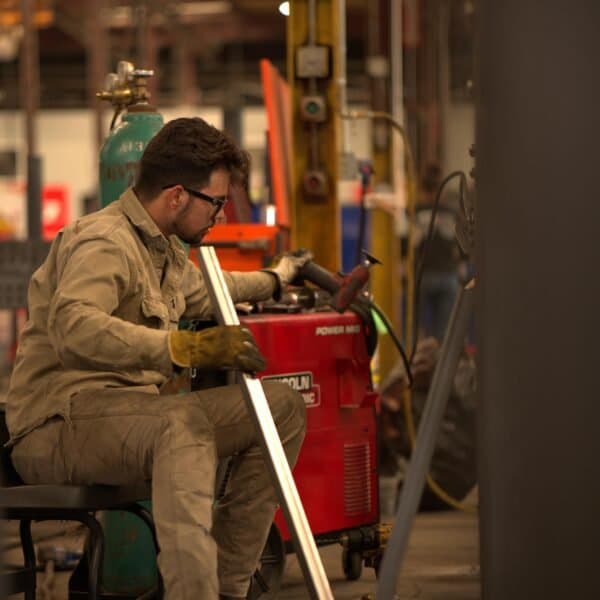 Maintenance & Repair
Why Expert Repairs Decide Whether a TMA Still Protects
A crash truck that has been hit is only as good as its repair. Here is what proper repair and MASH re-certification involve, and why they are not optional.
Maintenance & RepairRegular Maintenance Is Cheaper Than a Failed Deployment
The worst time to find out your attenuator will not deploy is when a crew is on the road. A steady maintenance routine keeps units ready and compliant.
Fleet OperationsGetting More Protection Out of the Crash Truck You Have
The attenuator is only part of a safe work zone. Here is how placement, signaling, and buffer distance combine to get the most protection from your TMA.
Fleet OperationsCrash Trucks on Big Infrastructure Jobs
Large projects run for months with crews exposed to high-speed traffic every day. Here is how TMAs fit into managing safety at that scale.
TMA GuidesHow TMAs Have Evolved to Meet Texas Road Safety Needs
Truck-mounted attenuators have changed a lot since the NCHRP 350 era. Here is what drove that change and why it matters for crews working Texas freeways.
Maintenance & RepairThe Benefits of Professional TMA Repairs for Texas Construction Companies
A TMA only protects a crew if it will perform on impact. Professional repair and re-certification keep the unit compliant and the paperwork clean.
Maintenance & RepairHow to Identify When Your TMA Needs Professional Repair
Not every problem shows up as a crumpled cartridge. Learn the warning signs that mean a TMA should come off the road before its next shift.
Maintenance & RepairHow to Ensure Safety During TMA Repairs in Active Work Zones
Sometimes an attenuator has to be swapped or serviced without leaving the job. Here is how to do it without exposing the crew to live traffic.
Maintenance & RepairThe Role of Quality Parts in Effective Truck-Mounted Attenuator Repairs
An attenuator is only as good as the parts inside it. Using the right components keeps the unit within its tested crash rating.
Fleet OperationsKPIs for Measuring TMA Repair Effectiveness in Texas
If you run a fleet of attenuator trucks, a few simple metrics tell you whether your repair program is working or quietly costing you.
TMA GuidesUnderstanding Crash Cushions: How They Save Lives on the Road
Crash cushions and truck-mounted attenuators do the same core job in different settings. Here is how the energy-absorbing idea actually protects people.
Signaling & BoardsThe Cost-Effectiveness of Arrow Boards: A Long-Term Investment in Safety
An arrow board is one of the cheapest pieces of work-zone equipment you can own, and one of the most effective at moving traffic safely around a closure.
Maintenance & RepairSigns Your 18-Wheeler Needs Immediate Repair
A heavy truck rarely fails without warning. Catching the early signs keeps a rig, or a TMA host truck, off the shoulder and out of a crash report.
Buying, Renting & FinancingTop Factors to Consider When Buying a Truck-Mounted Attenuator (TMA) Truck
Buying a TMA truck is a five-figure decision. Get the test level, weight rating, and paperwork right before you sign.
Buying, Renting & FinancingWhy Investing in a Quality TMA Truck Is Crucial for Road Construction Projects
The cheapest attenuator truck is the one that fails an inspection or a crash. Quality here is a safety decision before it is a budget one.
Maintenance & RepairThe Hidden Costs of Ignoring Truck-Mounted Attenuator (TMA) Repairs
Skipping a repair looks like a saving on the day. The real bill shows up later as downtime, failed inspections, and liability.
Fleet OperationsSelecting the Ideal Custom Truck Bed for Your Company
A work truck earns its keep by how well the bed fits the job. A few decisions up front decide whether the truck helps the crew or fights them.
Fleet OperationsHow Overload Affects TMA Performance and Repair Demand
A TMA host truck is engineered around a specific weight. Loading it past that point changes how it performs on impact and how often it needs repair.
TMA GuidesWhat Are FD Blockers and How Could They Enhance Road Safety
Fixed and mobile blocker vehicles shield crews and equipment the way a TMA shields a work zone. Here is where they fit in a safety plan.
Maintenance & RepairThe Cost of Neglect: Effects of Ignoring 18-Wheeler Maintenance
Deferred maintenance on a heavy truck compounds. What starts as a skipped service ends as a breakdown, a failed inspection, or a crash.
Buying, Renting & FinancingAnalyzing a Used TMA Truck in Terms of Highway Safety
A used TMA truck can be a smart buy or a costly mistake. Check the compliance, the crash history, and the deadline before you commit.
Signaling & BoardsSeasonal Maintenance for Message and Arrow Boards
Boards live outdoors in every kind of weather. A little seasonal care keeps them bright, legible, and ready when a closure goes live.
TMA Guides7 Best Practices for Deploying TMAs on Texas Freeways
Freeway speeds leave no margin for a poorly placed attenuator. These seven practices keep a TMA doing its job on fast Texas highways.
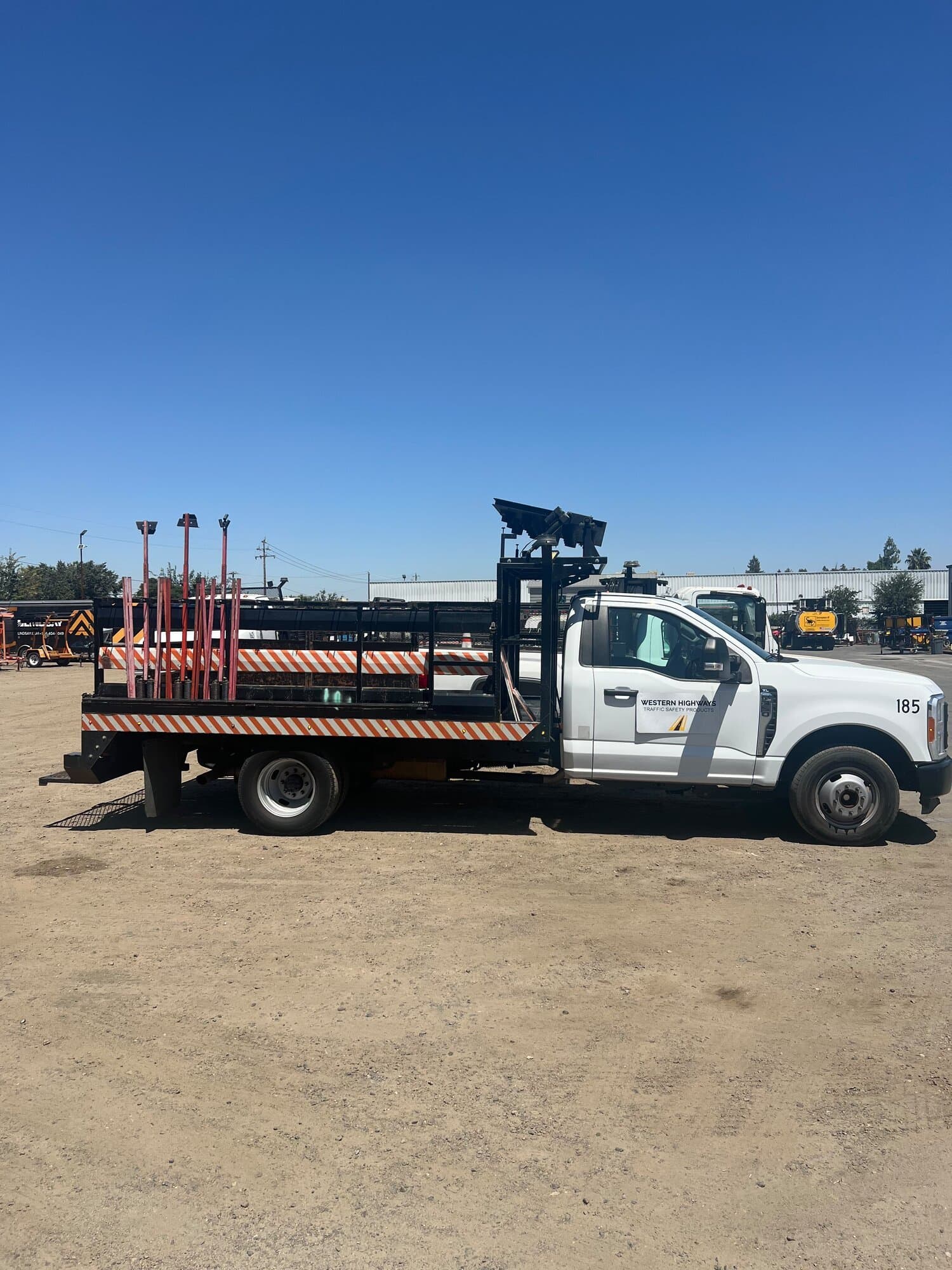 TMA Guides
Understanding the Specifications of Blade Truck-Mounted Attenuators for Texas Work Zones
The Blade attenuator uses a stack of crumpling blades to absorb impact. Here is how it is built and where it fits on Texas roads.
TMA GuidesWhy Scorpion TMAs Are Key for Texas Road Expansion and Maintenance
Texas keeps building and repaving. The Scorpion attenuator is a common choice for protecting the crews doing that work at freeway speed.
Maintenance & RepairHow to Choose a Reliable Service Provider for Blade TMA Repairs in Texas
Not every truck shop can repair a Blade attenuator and re-certify it. Here is what to look for before you hand over the keys.
Signaling & BoardsWeather-Resistant Arrow Boards: Promoting Texas Work-Zone Safety
Texas weather runs from summer heat to spring storms. An arrow board has to stay bright and legible through all of it to keep a work zone safe.
Maintenance & RepairProactive vs. Reactive Maintenance for Traffic Control Equipment in Springtown, Texas
Reactive maintenance waits for something to break. Proactive maintenance catches the problem before it strands a crew. For work-zone equipment near Springtown, the difference shows up in downtime and in safety.
Maintenance & RepairTexas-Specific Challenges for TMA Repairs and Maintenance
Heat, dust, and long highway runs put a particular kind of wear on truck-mounted attenuators. Here is what Texas conditions do to the hardware and how it changes a maintenance plan.
Maintenance & RepairCommon Blade TMA Problems to Watch For During Repairs
The Blade attenuator absorbs impacts with 12 crumpling blades. Knowing what wears, what bends, and what needs replacing keeps a Blade unit ready for the next deployment.
Signaling & BoardsCommon Arrow Board Deployment Errors and How to Avoid Them
An arrow board only works if drivers can read it in time to react. Small mistakes in placement, mode, and brightness undercut that. Here are the ones crews make most.
Compliance & StandardsHow Scorpion II TMAs Are Tested for Impact Resistance
The Scorpion II is a TL-3 attenuator, meaning it is crash-tested for high-speed roadwork. Here is what that rating involves and why it matters for Texas highway crews.
Fleet OperationsHow Faulty Traffic Control Equipment Affects Emergency Services
When a blocker truck or attenuator fails at an incident scene, first responders lose their buffer against traffic. The consequences reach beyond the roadwork itself.
Maintenance & RepairHow to Maintain Blade TMAs for Long-Term Highway Use
A Blade attenuator can serve for years if the blades, hydraulics, and lighting get regular attention. A practical maintenance rhythm keeps it deployment-ready.
Fleet OperationsCustom Truck Beds Built for Texas Heat and Heavy-Duty Work
A stock bed rarely fits the way a traffic control crew actually works. Purpose-built beds match the tools, the load, and the conditions the truck runs in.
Maintenance & RepairHow Well-Maintained TMAs Improve Roadwork Safety
A truck-mounted attenuator only protects a crew if it works when it is hit. Maintenance is the link between a rated device and real protection on the road.
Maintenance & RepairSpecialized Repairs for Modern Traffic Control Equipment near Springtown, Texas
Today's attenuators, arrow boards, and message boards mix hydraulics, electronics, and crash-rated hardware. Repairing them well takes shop knowledge, not just general truck mechanics.
Signaling & BoardsImproving Nighttime Visibility on Texas Highways with LED Arrow Boards
Night work raises the stakes on visibility. LED arrow boards give drivers a clear signal in the dark, but only when the mode and brightness are set for the conditions.
TMA GuidesUsing Scorpion TMAs in Texas Urban and Rural Work Zones
City lane closures and rural highway jobs put different demands on an attenuator. The Scorpion line covers both ends, and knowing which fits the work matters.
TMA GuidesWhat Does a Scorpion Truck Do? A Guide to Crash Attenuator Trucks
A crash attenuator truck exists to take a hit so a work crew does not. This guide explains how the truck works, how it deploys, and what the ratings mean.
Signaling & BoardsElectronic Highway Message Boards: Regulations and Guidelines
Changeable message signs give drivers real-time information, but their content and placement follow rules. Here is how to use them so the message helps rather than confuses.
TMA GuidesThe Importance of Truck-Mounted Attenuators in Road Safety
Work-zone crashes are a persistent risk for road crews. A truck-mounted attenuator is the barrier that turns a potentially fatal impact into a survivable one.
TMA GuidesHow FD Blockers Prevent Accidents and Improve Work-Zone Safety
FD blockers put a rated barrier between traffic and the responders working an incident scene. They extend attenuator protection beyond planned work zones.
Buying, Renting & FinancingHow to Choose the Right Truck-Mounted Attenuator for Your Fleet
Choosing a TMA means matching the crash rating, the host truck, and the way you actually work. This walks through the decisions that matter before you buy.
Fleet OperationsBenefits of Custom Truck Beds for Traffic Control Operations
A traffic control truck carries a specific set of gear on a specific kind of job. A bed built for that work saves time on every setup and holds up longer.
Buying, Renting & FinancingFinancing Options for Traffic Safety Equipment
TMAs and attenuator trucks are a real investment. Buying, renting, leasing, and financing each fit a different situation, and picking the right one protects cash flow.
Signaling & BoardsArrow Boards and Message Boards for Traffic Safety
Arrow boards and message boards do different jobs in a work zone. Knowing when each one belongs, and how to set them, keeps drivers informed and crews safer.
Maintenance & RepairRepairing and Maintaining Traffic Safety Equipment
Attenuators, arrow boards, and message boards need upkeep to stay reliable and compliant. A steady maintenance program keeps equipment ready and crews protected.
Buying, Renting & FinancingTop Considerations When Purchasing a TMA Truck
A TMA truck is a long-term purchase tied to safety and compliance. These are the factors worth checking before you sign, from crash rating to service support.
Buying, Renting & FinancingLeasing vs. Purchasing Traffic Safety Equipment
The right way to pay for a TMA truck depends on how often you run it and how long you plan to keep it. Here is how leasing, buying, and renting compare for a work-zone fleet.
CompanyWhat Separates Quality Traffic Safety Products
Not every work-zone product holds up to a real impact or a long field season. These are the marks of equipment built to protect a crew and last.
TMA GuidesScorpion TMA Truck Features Explained
The Scorpion attenuator from TrafFix Devices is a non-blade design widely run on highway work zones. Here is how it deploys, what it protects, and where it fits.
Signaling & BoardsMessage Boards and Roadwork Communication
Drivers need to understand a work zone before they reach it. Changeable message signs and arrow boards do that job when they carry the right message at the right distance.
TMA GuidesThe Benefits of a Custom Upfit for Traffic Safety Equipment
A stock truck rarely matches every crew and every job. Building a TMA truck to your spec lets you fit the chassis, attenuator, and signaling to the work you actually do.
Compliance & StandardsHow Traffic Safety Equipment Reduces Work-Zone Accidents
Work zones put crews close to live traffic. The right equipment lowers the odds of a crash and softens the ones that still happen.
Compliance & StandardsThe Future of Traffic Safety: Emerging Trends and Technologies
Standards keep tightening and equipment keeps getting smarter. Here is where work-zone safety is heading and what it means for fleets buying trucks now.
TMA GuidesThe Safety Benefits of a Truck-Mounted Attenuator
A TMA is the last line of defense between live traffic and a work crew. Here is what it does in a crash and why it belongs on mobile and short-duration jobs.
Compliance & StandardsTL-2 vs. TL-3 Attenuators: Which You Need
Test levels come down to speed. Pick the wrong one and your truck is either over-built or not legal for the road. Here is how TL-2 and TL-3 differ.
CompanyWhy Contractors Trust Our TMA Trucks
Contractors bet their crews and their bids on the trucks they run. Here is why they choose trucks from Heartland Fleet + Traffic.
Signaling & BoardsChangeable Message Signs for Road Safety and Traffic Management
A changeable message sign turns a static work zone into one that talks to drivers. Here is what a CMS does and how to use one well.
Maintenance & RepairA Guide to Replacing Your Attenuator
An attenuator does not last forever, and an outdated one may soon be illegal. Here is when to replace, what to check, and how the 2030 deadline factors in.
TMA GuidesTop Features to Look For in a Crash Truck
A crash truck is only as good as its spec. These are the features that decide whether one protects a crew and keeps working season after season.
TMA GuidesHow TMAs Prevent Accidents: What the Field Shows
The value of a TMA is clearest in the moments it absorbs a hit. Here is how these trucks perform in the scenarios crews face most.
Fleet OperationsTraining Your Crew on TMA Best Practices
A TMA only protects a crew if it is positioned and operated right. Here is what every operator should know before the truck goes on a job.
Signaling & BoardsRaised Pavement Markers and Truck Safety
Raised pavement markers guide drivers when lines are hard to see. Here is what RPMs do and how they fit into a work-zone safety setup.
Fleet Operations5 Must-Have Upgrades for Your Safety Truck
A base TMA truck does the core job, but a few upgrades make it more useful across more jobs. These five earn their cost for most fleets.
TMA GuidesTMA Trucks, Attenuators, and Safety Products: An Overview
New to work-zone safety equipment? This overview covers the main pieces, how they fit together, and where to start.
CompanyHow We Upfit Custom Traffic Safety Trucks
A custom TMA truck is a series of decisions, from chassis to attenuator to signaling. Here is how we take a spec from conversation to a truck on the road.
Signaling & BoardsHow to Choose the Right Message Board
Arrow board or changeable message sign? The right choice depends on what you need drivers to understand. Here is how to decide.
Maintenance & RepairSigns It Is Time for a Full Equipment Overhaul
Patching one problem at a time eventually costs more than an overhaul. Here is how to tell when your safety equipment needs a full refresh instead of another repair.
Maintenance & RepairThe Top 10 Most Common TMA Repair Requests
TMA trucks come into the shop for a predictable set of issues. Knowing the common ones helps fleets catch problems early and keep trucks compliant.
Buying, Renting & FinancingWhy Renting a TMA Truck Can Beat Buying for Seasonal Work
Not every crew needs a truck parked in the yard all year. For paving seasons, striping runs, and short contracts, a rental keeps a MASH-compliant attenuator on the job without tying up capital or a title.
CompanyFrom Spec to Service: How We Get a TMA Truck Ready
A work-ready attenuator truck starts as a chassis and a spec sheet. Here is how Heartland specs, sources, upfits, and services a unit until it is MASH compliant and ready for the lane.
Maintenance & RepairHow Often Should You Service a TMA Truck?
An attenuator only works if it deploys when it needs to. Regular service keeps the hydraulics, lighting, and boards ready and keeps your compliance paperwork current.
Compliance & StandardsAre Your TMA Trucks Crash-Test Compliant?
MASH 2016 replaced NCHRP 350, and older units have a hard deadline. Here is how to confirm your attenuator trucks meet the current standard before an inspector does it for you.
TMA GuidesHow a TMA Truck Actually Protects a Work Crew
The truck exists to take a hit so a person does not. Understanding how it absorbs an errant vehicle explains why placement and compliance are not optional.
TMA GuidesWhat Changed in Attenuator Technology Through 2025
The big shift is not a new gadget. It is the full move to MASH 2016 and the equipment built specifically to meet it, from higher test levels to smarter board integration.
Compliance & StandardsThe Evolution of Work-Zone Traffic Safety Equipment
Work-zone protection moved from cones and flaggers to crash-tested attenuator trucks. The path from NCHRP 350 to MASH 2016 explains where the equipment stands today.
Fleet OperationsFull-Service TMA Support for Large Projects
Big jobs need more than one truck. They need trucks that arrive on schedule, stay compliant, and get serviced without pulling the whole operation off the road.
Fleet OperationsHow to Avoid TMA Fleet Downtime
A grounded attenuator truck can shut down a lane closure. A little planning around service, spares, and compliance keeps your fleet on the road.
TMA GuidesCustomizing an Attenuator Truck for Your Crew
A stock truck covers most jobs, but the right chassis, attenuator, and board setup can make a real difference for how your crew works. Here is what to consider before you order.
Maintenance & RepairWhat Sets a Good TMA Repair Shop Apart
Anyone can bolt on a part. A shop that keeps your attenuator trucks compliant and turns repairs fast is a different thing entirely.
Signaling & BoardsWeatherproofing and Maintaining Traffic Boards
Arrow boards and message signs live outdoors in sun, rain, and road grime. A little maintenance keeps every lamp lit and every message readable when traffic needs it.
CompanyInside the Heartland Fleet + Traffic Shop
Our North Texas shop is where a chassis becomes a compliant attenuator truck and where fleets get serviced. Doing the work under one roof keeps quality tight and turnaround short.
Maintenance & RepairWinterizing Your Work-Zone Safety Vehicles
Cold weather is hard on hydraulics, batteries, and boards. A short winter prep list keeps your attenuator trucks deploying when the roads are worst.
Fleet OperationsStoring a TMA Fleet to Maximize Longevity
How you store attenuator trucks between jobs affects how long they last and how ready they are when work picks up again. A few habits keep an idle fleet from quietly deteriorating.
Signaling & BoardsFive Message Board Layouts That Actually Work
A changeable message sign only helps if drivers can read and act on it in time. These layouts keep messages short, clear, and useful in a work zone.
CompanyWhy Crews Trust Heartland Fleet + Traffic for Work-Zone Safety
We sell, service, and upfit MASH-compliant attenuator trucks for North Texas crews. Here is what that means for the people who stand behind them.
Signaling & BoardsGetting the Most Visibility From Arrow and Message Boards
A board's job is to be seen and understood early. Placement, brightness, and the right board for the task decide whether drivers react in time.
Compliance & StandardsMASH TL-3 Compliance for Attenuator Trucks
TL-3 is the standard for highway-speed work zones. Here is what the rating actually requires and how to confirm a truck meets it.
TMA GuidesChoosing the Right TMA Size and Type
The best attenuator truck is the one matched to your road, your speed, and your boards. A short framework keeps you from over- or under-buying.
TMA GuidesBuilding Custom Traffic Control Trucks
When a stock configuration does not fit the work, a custom build gets the chassis, attenuator, and boards right for your crew. Here is how we approach it.
Buying, Renting & FinancingA Checklist for Buying a Used TMA Truck
A used attenuator truck can be a smart buy or a compliance headache. Work through this checklist before you sign, so the discount does not come with a hidden deadline.
TMA GuidesWhat Makes a Heavy-Duty TMA Truck Different
Heavy-duty truck-mounted attenuators are built for freeway speeds and repeated impacts. Verdegro is one of the makers in this space, and the build choices behind these trucks explain why crews trust them at 50 mph and up.
TMA GuidesHow a Crash TMA Truck Absorbs an Impact
The whole point of a crash TMA truck is to trade metal for lives. Here is what happens in the seconds an errant vehicle strikes the attenuator, and why the crash test matters more than the brochure.
TMA GuidesRoadside TMA Trucks: Setting Up the Shadow Vehicle
A roadside TMA truck only protects the crew if it is positioned and deployed correctly. This walks through deployment timing, speed limits, and the transfer that gets an attenuator on the road.
Maintenance & RepairProfessional TMA Installation: What a Proper Fit Involves
Bolting an attenuator to a chassis is not a weekend job. Professional TMA installation matches the mount, the wiring, and the chassis rating so the unit performs the way it was crash-tested to.
Compliance & StandardsThe Engineering Behind a TMA Crash Cushion
A crash cushion looks simple until you understand what it has to do in a fraction of a second. This covers the physics, the two main design approaches, and how MASH 2016 sets the bar.
Fleet OperationsStoring TMA Trucks Between Jobs
How you park a TMA truck between closures affects how ready it is on the next call. A few habits keep batteries charged, boards clean, and attenuators free of surprises.
Maintenance & RepairWhy Fast Repair Matters for TMA Fleets
A downed attenuator can stall a whole closure. Same-day repair keeps trucks in rotation and gets a struck unit re-certified instead of parked for weeks.
TMA GuidesHow TMAs Absorb Vehicle Impact
Impact absorption is the whole reason a TMA exists. This explains the physics in plain terms and why chassis mass is as important as the cushion itself.
TMA GuidesScorpion II TMA: What TL-3 Gets You
The Scorpion II is a TL-3 attenuator, which means it is cleared for the fastest closures. Here is what the rating means in practice and where the unit fits in a fleet.
Maintenance & RepairWinterizing Your Fleet Attenuators
Cold weather is hard on hydraulics, batteries, and warning lamps. A short winter prep routine keeps attenuators deploying on time when the temperature drops.
Signaling & BoardsReflectivity and LED Warning Systems on TMA Trucks
Getting drivers to see and understand a closure early is half the safety battle. Reflective sheeting and LED warning systems work together to buy the seconds a merge needs.
Fleet OperationsTMA Truck Pre-Deployment Inspection Checklist
Run this check before the truck leaves the yard or stages on a closure. It catches the faults that ground a unit or leave a crew exposed, and it takes only a few minutes.
Fleet OperationsTraffic Control Truck Payload Planning Worksheet
Overloading a support truck is easy when cones, signs, and boards pile up. Use this worksheet to keep the truck under its rating and the load balanced.
Buying, Renting & FinancingPlanning Lead Time for a Custom Traffic Control Truck
A custom-built traffic control truck has more moving parts than an off-the-lot buy. Planning the lead time from spec to delivery keeps a project from stalling while you wait.
Fleet OperationsTraffic Safety Fleet Shift Handoff Packet
When one crew hands a truck to the next, gaps in information cause repeat faults and missed defects. This handoff packet keeps the state of each unit clear across shifts.
Fleet OperationsChassis Upfit Compatibility File for Traffic Control Trucks
Before an attenuator or bed goes on a chassis, confirm the two are compatible. This file collects the specs that decide whether an upfit will work and stay crash-compliant.
Fleet OperationsPost-Repair Reassignment Record for Traffic Safety Trucks
A truck coming back from the shop needs a clear record before it rejoins the rotation. This form documents what was fixed, what was verified, and who cleared it for service.
Signaling & BoardsMounted vs Trailer Message Boards: The Logistics Tradeoff
A message board on the truck moves with the crew; a trailer board can be dropped and left. Each choice changes how a fleet stages and moves equipment. Here is how to decide.
Fleet OperationsDedicated TMA vs Multipurpose Support Truck
Should a truck do one job well or several jobs adequately? Choosing between a dedicated TMA and a multipurpose support truck shapes how your fleet handles closures.
Fleet OperationsCustom Traffic Control Truck Bed Discovery Brief
Before designing a custom bed, capture how the crew actually works. This discovery brief gathers the answers that keep a build from missing the mark.
Maintenance & RepairTMA Truck Repair Intake Package
Sending a truck in for repair goes faster when the shop has the full picture on arrival. This intake package lists what to send with the unit so diagnosis is not guesswork.
Fleet OperationsTexas Fleet Readiness: Summer Heat and Severe Weather
Sustained summer heat and severe weather put real stress on trucks and crews across North Texas. A readiness routine keeps units running and crews safe when conditions turn.
Let's keep your fleet moving
Tell us what you run and what it needs — service, traffic-safety gear, or an upfit. Same-day service, honest pricing, and someone who knows the equipment on the other end.