How Faulty Traffic Control Equipment Affects Emergency Services
When a blocker truck or attenuator fails at an incident scene, first responders lose their buffer against traffic. The consequences reach beyond the roadwork itself.
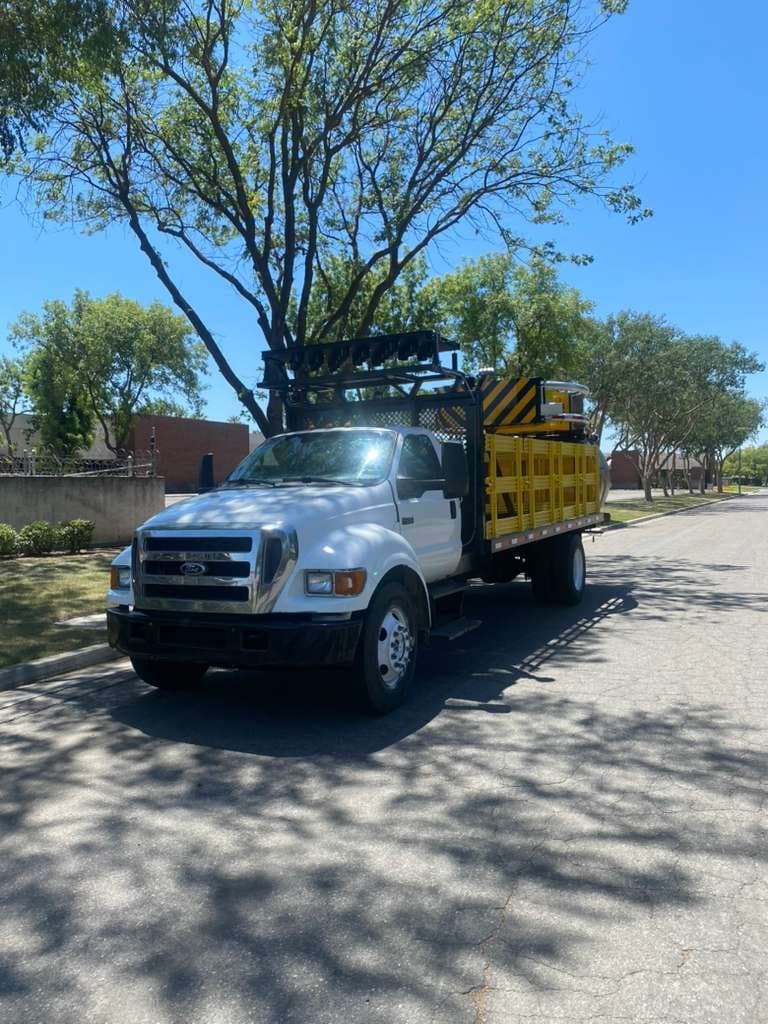
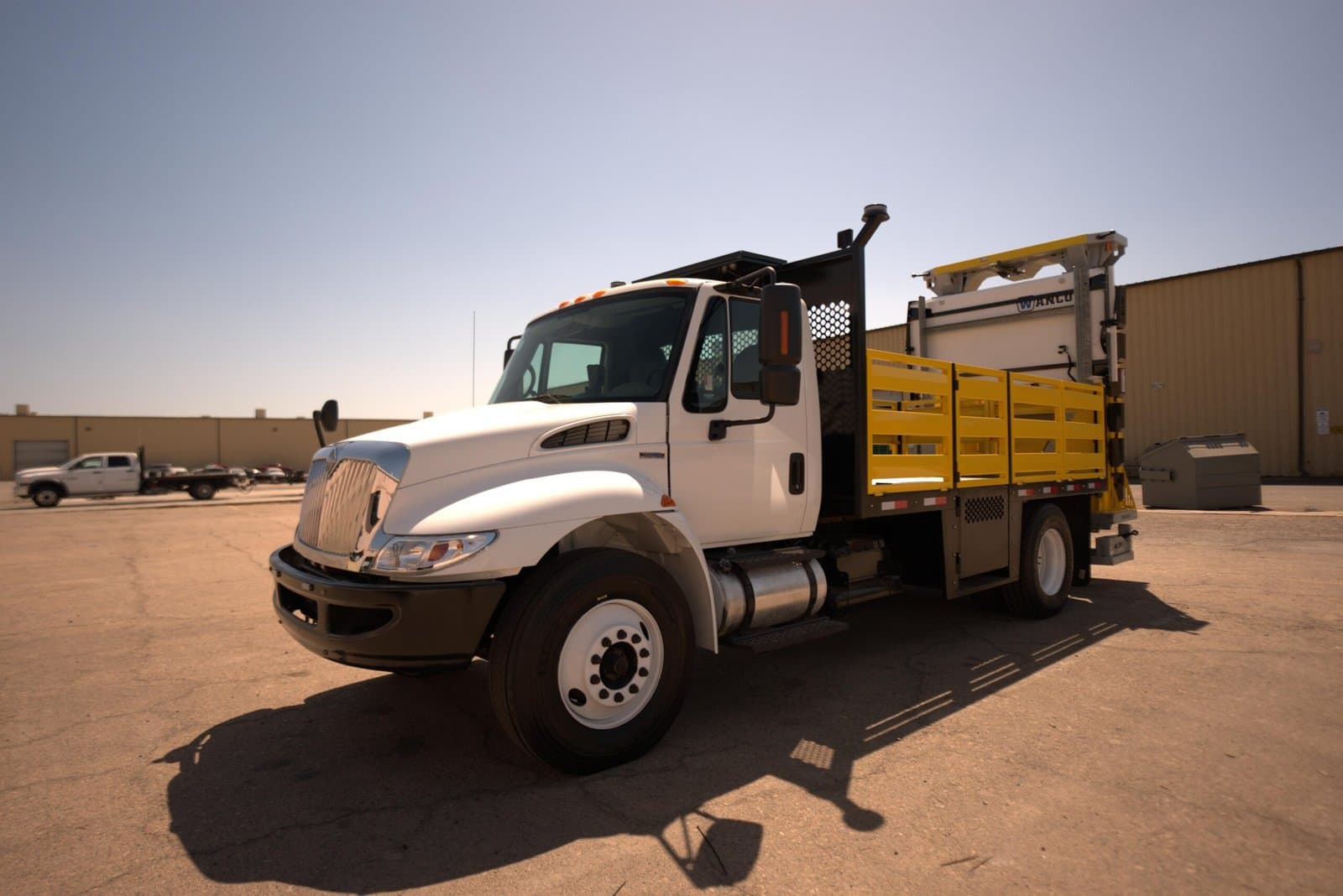
Traffic control equipment does more than manage work zones. FD blockers shield firefighters, medics, and police at incident scenes, standing between an errant vehicle and the people working the crash. When that equipment fails, the protection disappears.
Where failures hit hardest
- A blocker that cannot deploy leaves responders exposed to passing traffic while they treat patients.
- Dead arrow board or message board lamps mean drivers get less warning approaching a scene.
- An attenuator that fails its impact function offers a false sense of protection, which is worse than none.
Why upkeep is a safety issue, not a cost line
Incident response is unplanned by nature. Crews cannot choose when they roll out, so the equipment has to be ready every time. That puts the burden on maintenance done in advance. A blocker or attenuator that is inspected and re-certified on schedule is one that responders can count on when the call comes.
Equipment protecting emergency crews should never be run to failure. Scheduled inspection and re-certification keep the buffer intact when it is needed most.
Need a truck spec'd or serviced?
Tell us the job and we'll help — to buy, rent, or lease.