Crash Trucks on Big Infrastructure Jobs
Large projects run for months with crews exposed to high-speed traffic every day. Here is how TMAs fit into managing safety at that scale.
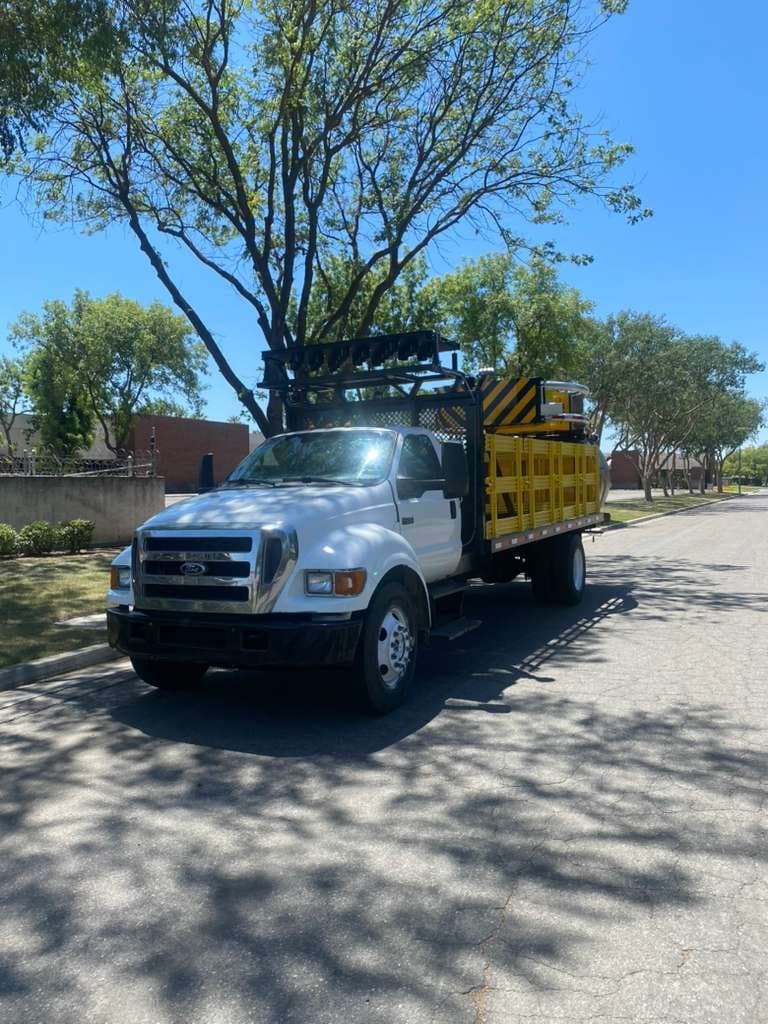
On a large infrastructure project, the work zone is not a one-day setup. It runs for months, sometimes years, with crews exposed to highway traffic every shift. That sustained exposure changes how you plan crash-truck coverage, because the equipment has to be available, compliant, and ready day after day.
Planning coverage at scale
- Size the fleet to the work: multiple active zones mean multiple shadow vehicles, plus spares for downtime.
- Standardize on TL-3 for highway-speed work so every unit is legal across the project's zones.
- Use transferable attenuators, moving between trucks in about 10 minutes, to cover more trucks with fewer units.
- Build in repair and re-certification time so an impacted unit does not leave a zone uncovered.
Owning versus renting on long jobs
Long projects usually favor owned or leased units for the core coverage, since monthly rental costs add up over a multi-year timeline. Rentals still earn their place for peaks and for covering units in for repair. A mix keeps every owned truck working while giving you surge capacity when the schedule demands it. Plan the fleet the way you plan the project: by phase, with contingency built in.
On a long job, availability is a safety issue. A crew left uncovered because a unit is down is exactly the gap contingency planning exists to prevent.
Need a truck spec'd or serviced?
Tell us the job and we'll help — to buy, rent, or lease.