Dedicated TMA vs Multipurpose Support Truck
Should a truck do one job well or several jobs adequately? Choosing between a dedicated TMA and a multipurpose support truck shapes how your fleet handles closures.
Fleets face a recurring choice: buy a truck built solely to be a shadow attenuator, or a support truck that carries gear and can also run a board. Each answer fits a different operation. The wrong one either underuses an asset or spreads it too thin.
The dedicated TMA
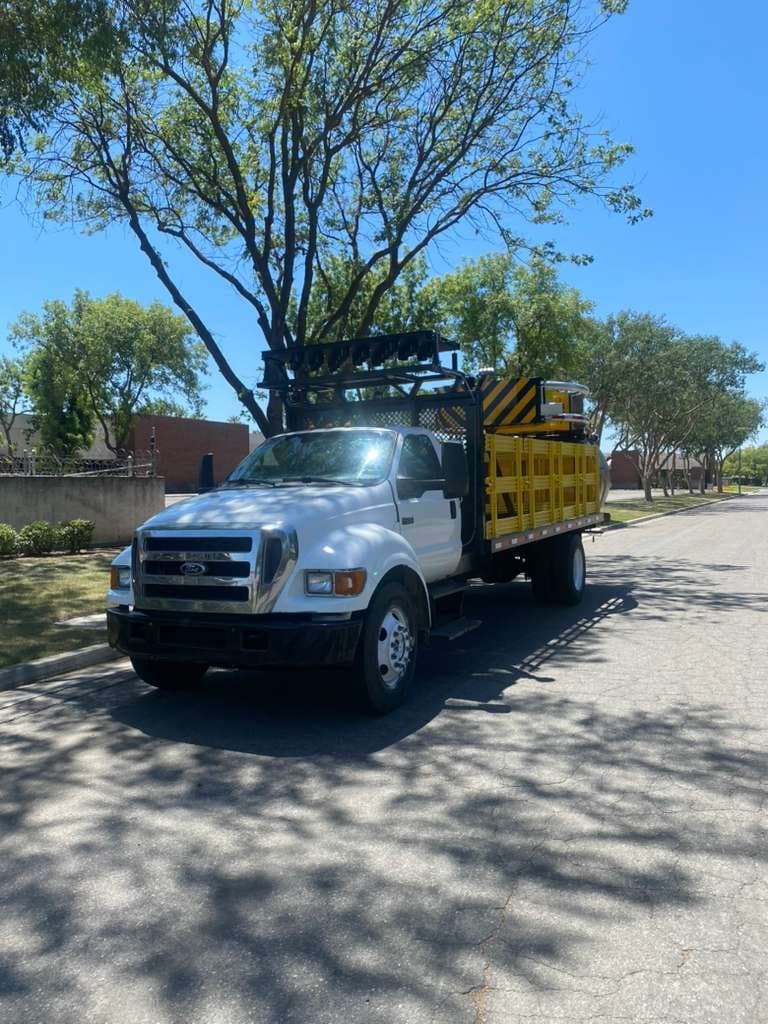
- Built around the attenuator with the chassis mass to back it up
- Ready to stage as a shadow vehicle with minimal setup
- Simpler to inspect and maintain because it has one job
- Sits idle when no crew needs impact protection
The multipurpose support truck
- Carries cones, signs, and tools and can run a mounted board
- Earns its keep across more of the workday
- May compromise on attenuator capability or payload
- Adds inspection and load-planning complexity
How to decide
Count how often you need impact protection versus general support. High-speed freeway crews that always need a shadow vehicle justify a dedicated TMA. Smaller operations with occasional closures often get more out of a multipurpose truck. Larger fleets typically run both, matching the truck to the job.
- Can one truck really do both jobs well?
- It can do both, but there is a tradeoff. Adding payload and gear to a TMA truck eats into margin, and the attenuator still requires the chassis mass to work. Be honest about which job matters most on a given day.
- Does a multipurpose truck still need to meet MASH?
- If it carries an attenuator used for impact protection, that attenuator must meet MASH 2016 and carry an FHWA eligibility letter, just like a dedicated unit.
Need a truck spec'd or serviced?
Tell us the job and we'll help — to buy, rent, or lease.