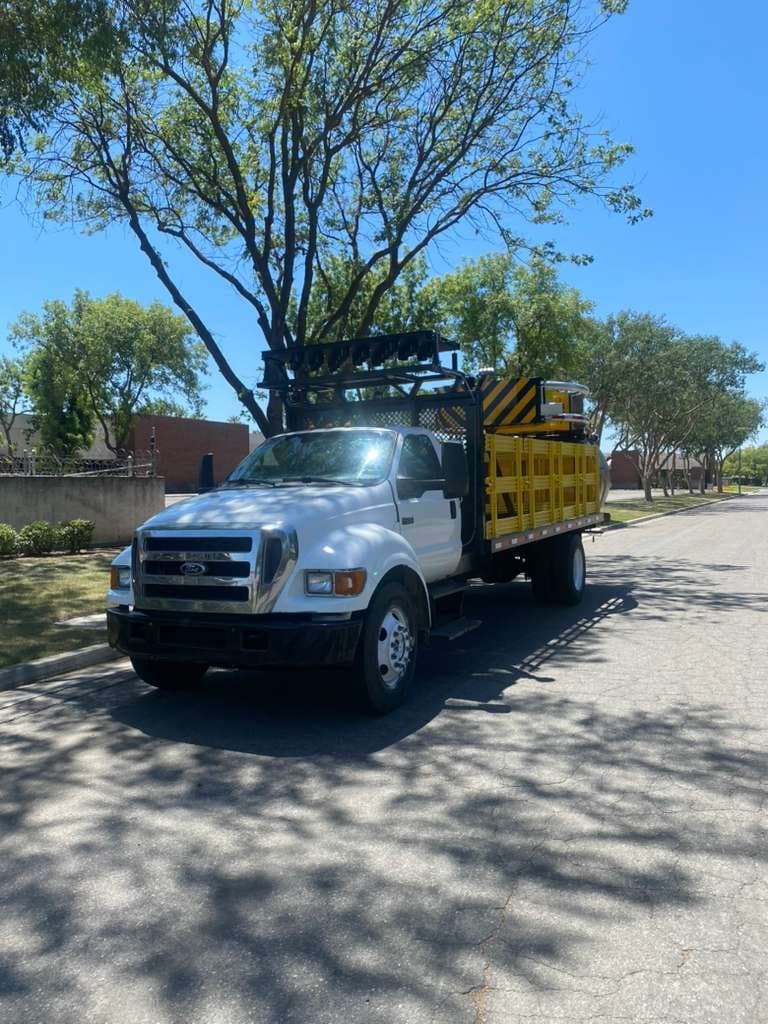
How Often Should You Service a TMA Truck?
An attenuator only works if it deploys when it needs to. Regular service keeps the hydraulics, lighting, and boards ready and keeps your compliance paperwork current.
A TMA spends most of its life doing nothing, then has to perform perfectly in about 20 seconds when a crew deploys it. That gap is exactly why a service schedule matters. Parts that sit unused still corrode, leak, and drift out of adjustment.
A workable schedule
- Daily: walk-around for lights, leaks, and board function before the shift
- Monthly: full deployment cycle to confirm the attenuator drops and stows cleanly
- Quarterly: hydraulic system, mounting hardware, and ballast check
- Annually: full inspection and, where required, re-certification of the attenuator
The daily walk-around catches the small failures that ground a truck at the worst moment, a dead lamp or a soft hydraulic line. The heavier checks catch wear before it becomes a failed deployment.
Why re-certification matters
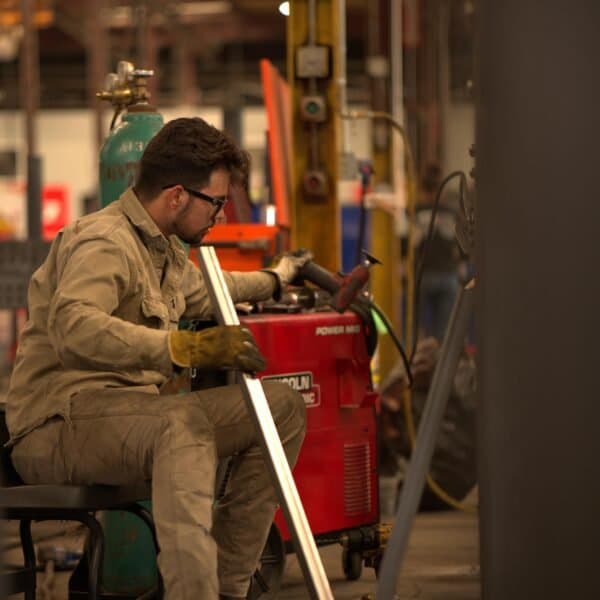
After a hit, or after enough time in service, an attenuator needs to be repaired and re-certified to stay MASH compliant. Our shop rebuilds Scorpion and Blade units and returns them with current documentation. Skipping this step leaves you running a truck that may not hold up in a crash and may not pass an inspection.
Keep your service records with the FHWA eligibility letter. When an inspector or a client asks, one folder should answer the question.
- Do I need to re-certify after every impact?
- After a real hit, yes. The blades or attenuator body absorb the crash by design and must be inspected and rebuilt before the truck goes back out.
- Can you service a truck I did not buy from you?
- Yes. We service and re-certify Scorpion and Blade units regardless of where they were purchased.
Need a truck spec'd or serviced?
Tell us the job and we'll help — to buy, rent, or lease.