Proactive vs. Reactive Maintenance for Traffic Control Equipment in Springtown, Texas
Reactive maintenance waits for something to break. Proactive maintenance catches the problem before it strands a crew. For work-zone equipment near Springtown, the difference shows up in downtime and in safety.
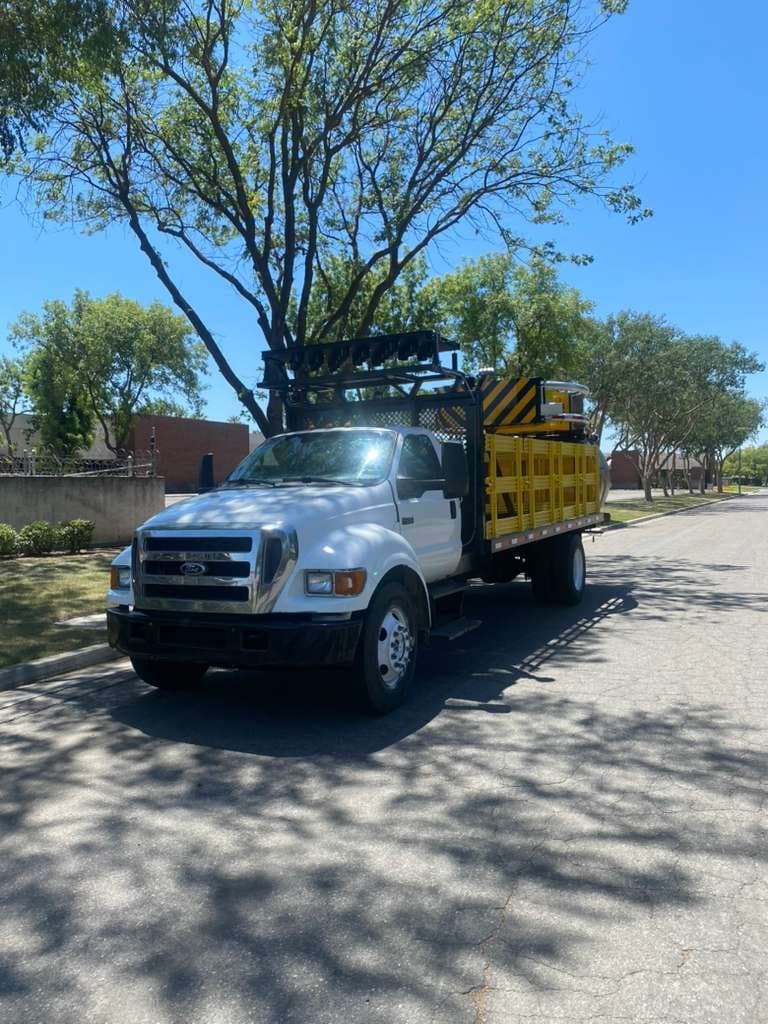
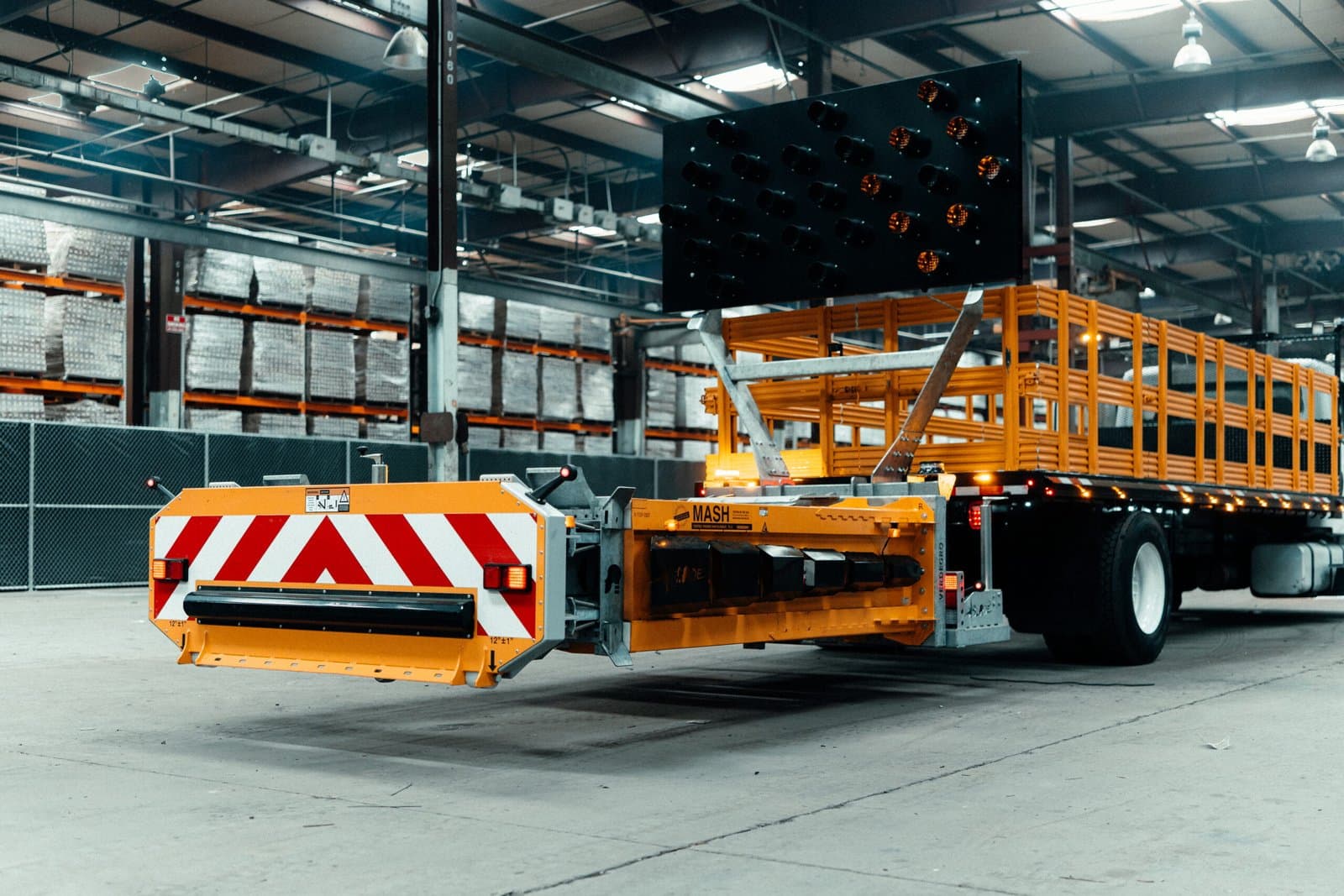
A truck-mounted attenuator that fails to deploy is not a maintenance inconvenience. It is a crew standing on a highway without protection. That is the reason the proactive versus reactive question matters more for traffic control gear than for most fleet equipment.
What each approach actually costs
Reactive maintenance looks cheaper on paper because you only pay when something fails. The hidden cost is timing. A hydraulic leak that surfaces on a Friday job in Parker County means a truck sidelined over the weekend and a crew reassigned or sent home.
- Proactive: scheduled inspections, fluid and seal checks, lamp testing, and re-certification before problems appear.
- Reactive: repairs triggered by a failure in the field, often at the worst possible moment.
- Proactive work is planned around your schedule; reactive work happens on the equipment's schedule.
A middle path most fleets use
Few operations run pure proactive or pure reactive. The practical version is scheduled service on the safety-critical systems (attenuator deployment, hydraulics, lighting) and reactive handling of low-stakes items. That keeps costs sane while protecting the parts that keep people alive.
Heartland Fleet + Traffic services and re-certifies TMAs in North Texas, so Springtown-area fleets can schedule inspections instead of waiting for a roadside failure.
Need a truck spec'd or serviced?
Tell us the job and we'll help — to buy, rent, or lease.