
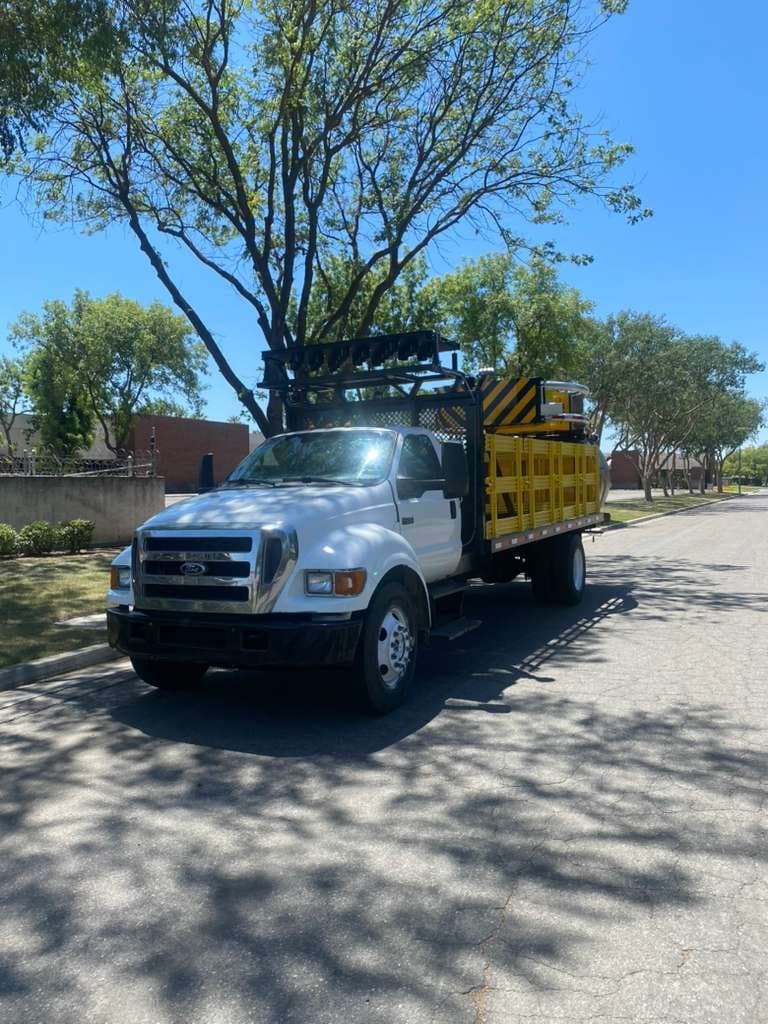
How Overload Affects TMA Performance and Repair Demand
A TMA host truck is engineered around a specific weight. Loading it past that point changes how it performs on impact and how often it needs repair.
The weight of a TMA host truck is not incidental. The roughly 26,000 lb GVWR or more is part of the design that keeps the truck from rolling forward on impact and lets it steer an errant vehicle away from the cab. Overloading the truck, or the wrong kind of loading, works against that design.
What overload does
- Extra weight beyond the rating stresses the chassis, brakes, and suspension.
- It shifts how the truck behaves at impact, which was tested at a specific weight.
- It accelerates wear on tires, brakes, and hydraulics, driving more repairs.
- It can push the truck out of the configuration its eligibility letter covers.
Keeping the truck within spec
Respect the chassis and axle ratings when you spec the bed, the boards, and any added equipment. A truck that carries only what it was built to carry performs the way its crash test predicted and spends less time in the shop. When you add a message board or extra gear, confirm the total stays inside the rating rather than assuming there is room.
Overload is a quiet problem. The truck runs fine day to day, then underperforms in the one moment it exists to handle.
Need a truck spec'd or serviced?
Tell us the job and we'll help — to buy, rent, or lease.