State TMA Rules: Reading the Fine Print Across Jurisdictions
States layer their own requirements on top of the federal MASH baseline. Here is how to approach the differences when your crews cross state lines.
MASH 2016 and FHWA eligibility set the federal floor, but states build on top of it. Placement rules, required signage, ballast certification, and when a TMA is mandated can all vary. If your crews work across state lines, the differences are your problem to track.
Where states tend to differ
- When a shadow vehicle is required, and at what speeds or road classes.
- Buffer distances and placement specifics for mobile versus stationary operations.
- Arrow board and message board requirements, including lamp counts.
- Ballast certification references, such as NJ ballast certification for portable boards.
How to stay ahead of it
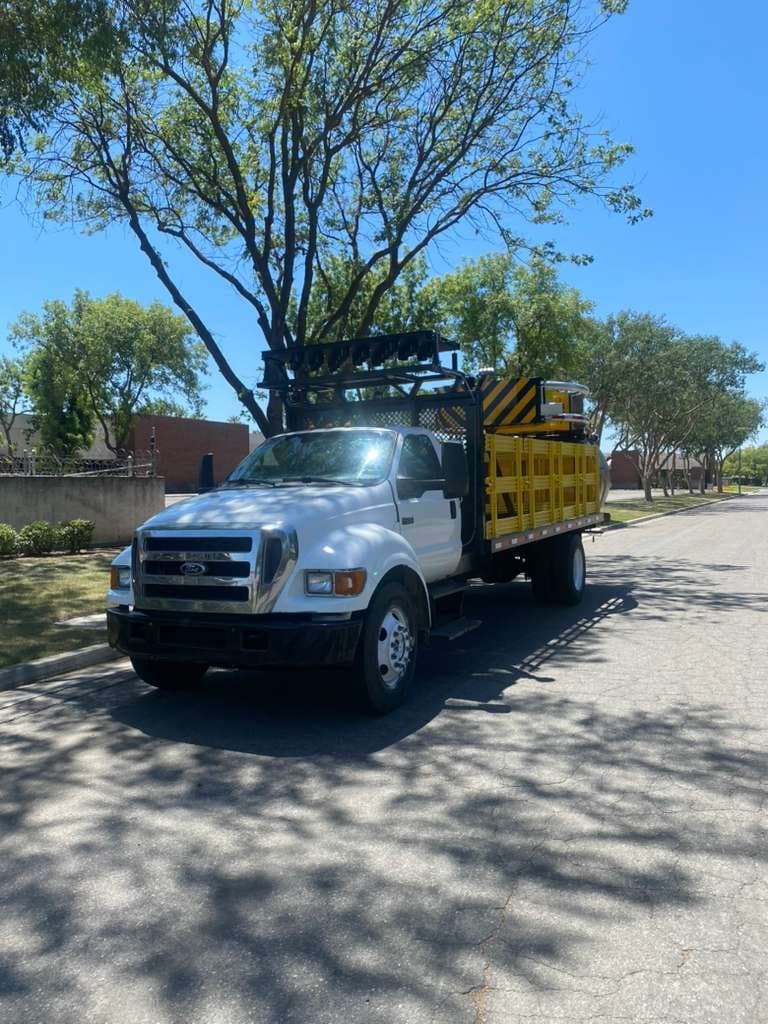
Start from the federal baseline, then check the specific state DOT specs for each jurisdiction you work in. Standardize your equipment to the strictest requirement you face so one truck is legal everywhere you operate. A unit built to TL-3 with a certified board and a compliant GVWR clears most bars, which saves you from reconfiguring for every state line.
Spec to the strictest state you serve, not the average. One over-built, universally compliant truck beats a fleet of borderline units you have to reshuffle by jurisdiction.
Need a truck spec'd or serviced?
Tell us the job and we'll help — to buy, rent, or lease.