How Weather Changes the Math on Work-Zone Safety
Rain, fog, and glare all shorten the distance a driver has to react before they reach your crew. Here is how weather affects stopping behavior and why a shadow vehicle matters more when conditions turn.
Weather does not create most work-zone crashes on its own. It removes the margin a driver needs to avoid one. Wet pavement stretches braking distance, fog cuts sight lines, and low sun turns a lane change into a guess. Your crew still has to be on the road, so the question becomes how you protect them when the conditions stop cooperating.
What each condition actually does
- Rain: a wet surface can roughly double stopping distance, and the first ten minutes of rain lift oil off the pavement, making it slickest right at the start.
- Fog: drivers slow down but often not enough for the shorter sight distance, so they arrive at your taper before they see it.
- Glare: a low morning or evening sun can wash out an arrow board and hide a flagger for several critical seconds.
- Wind: gusts push high-profile trucks and can shift lightweight channelizing devices out of position.
Why the shadow vehicle earns its keep in bad weather
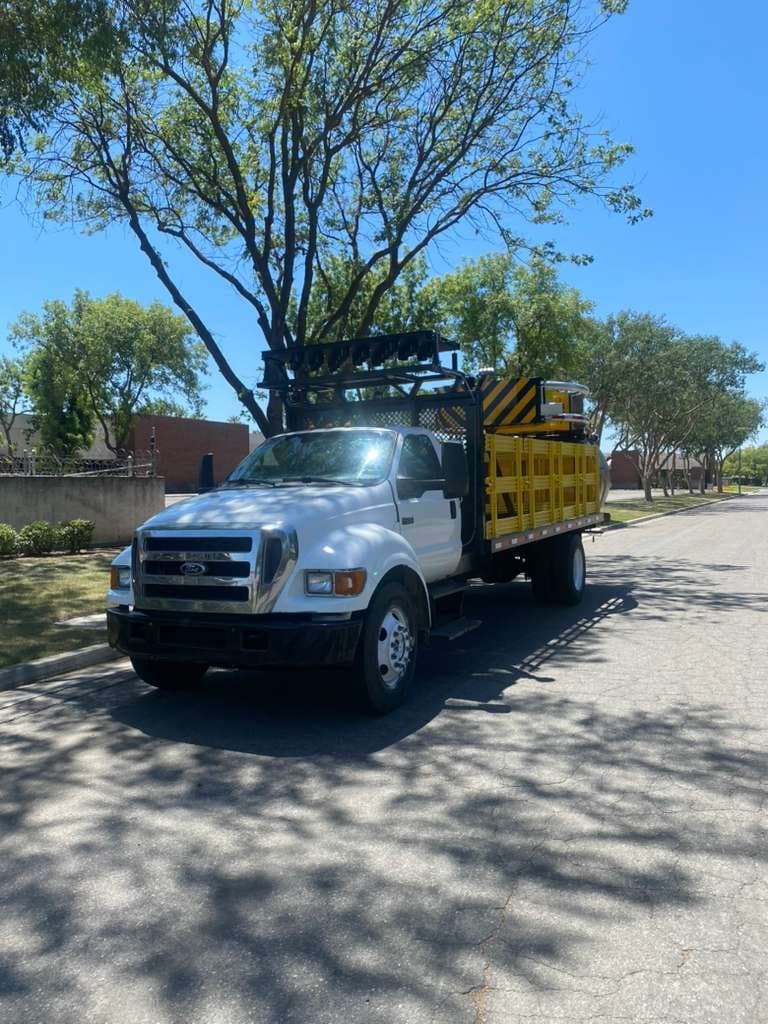
A truck-mounted attenuator parks behind the crew as a shadow vehicle and absorbs an errant vehicle's impact, redirecting it away from the cab's coffin corner. In poor conditions, more drivers arrive late and unprepared, which is exactly when that buffer counts. Pair the TMA with a bright, correctly aimed arrow board so approaching traffic gets a clear signal before they reach the taper.
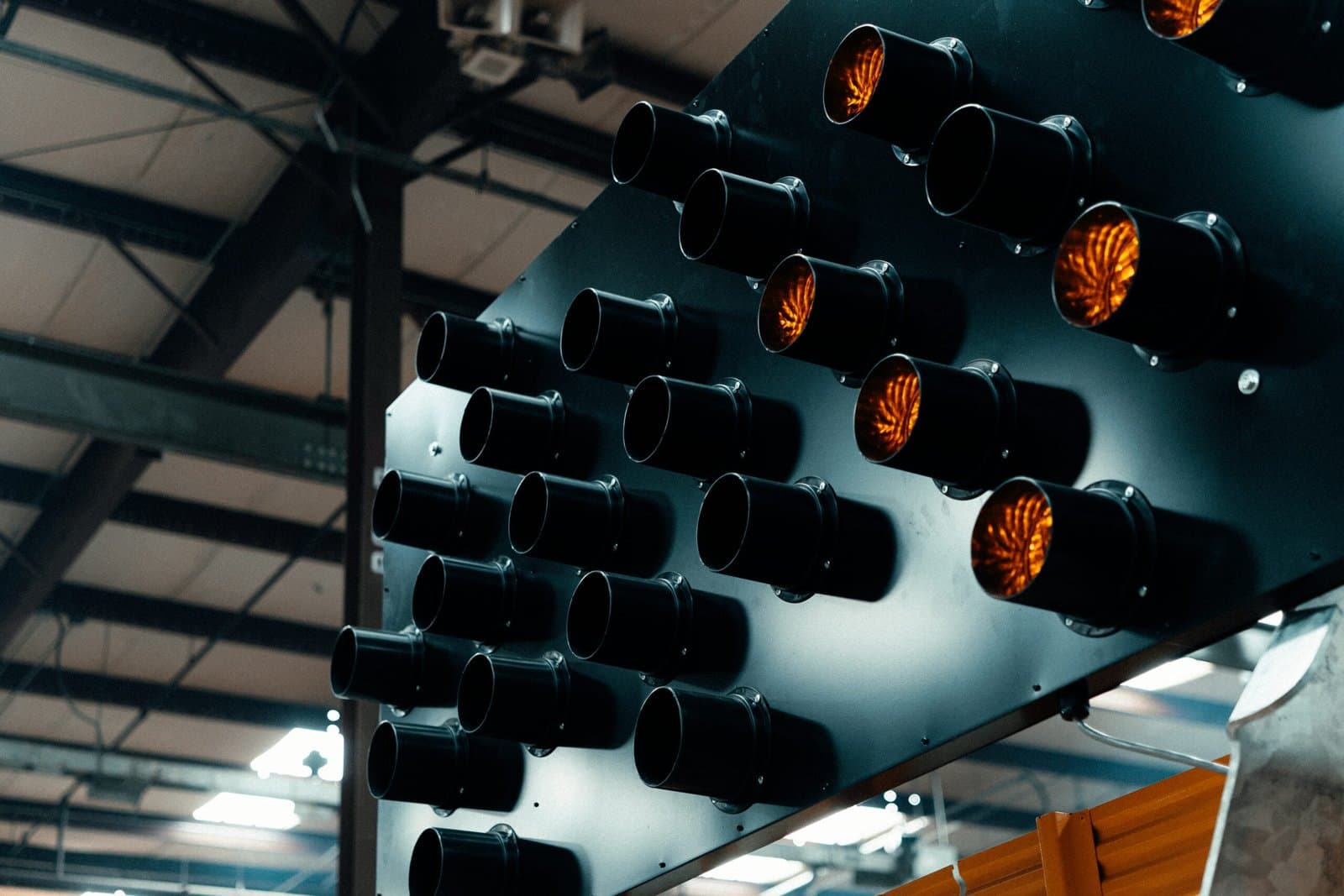
Aim the arrow board for the weather you have, not the weather you want. Reduce lamp brightness at night to avoid blinding drivers, and raise it in daylight glare so the pattern reads at distance.
- Should we adjust TMA placement when it rains?
- Increase the buffer distance between the attenuator and the crew. Longer stopping distances mean an impact can push the truck further, so give people more room.
- Does weather affect how the attenuator performs on impact?
- The energy-absorption hardware works the same. What changes is driver behavior on approach, which is why the buffer and clear signaling matter more in poor conditions.
Need a truck spec'd or serviced?
Tell us the job and we'll help — to buy, rent, or lease.