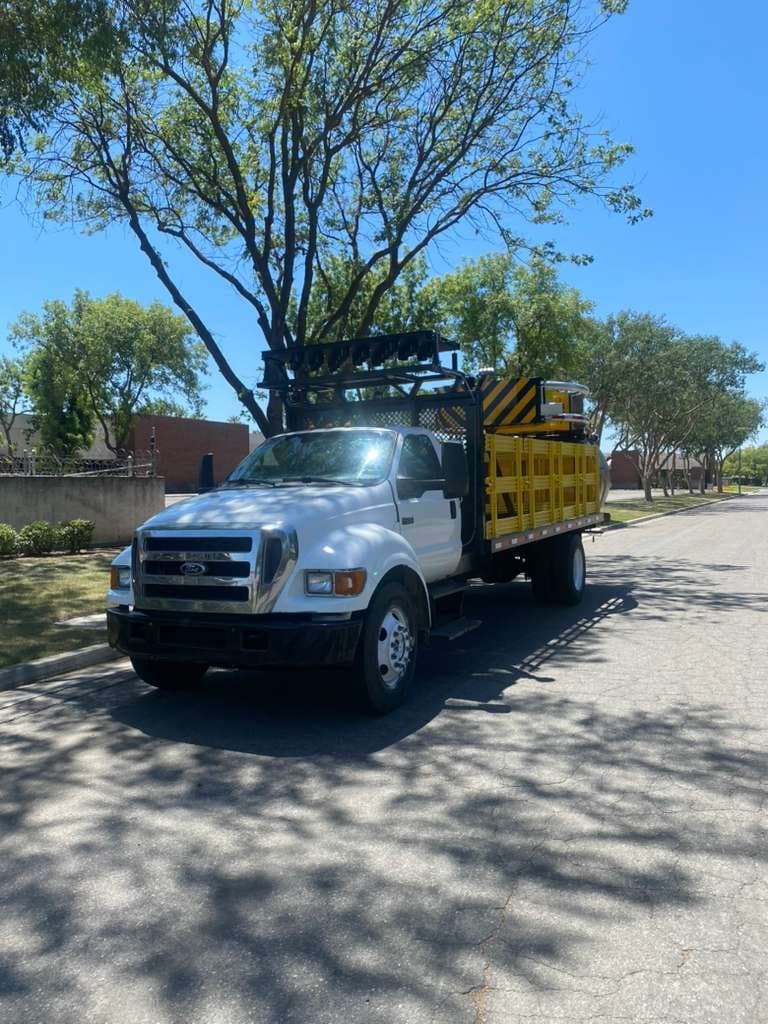
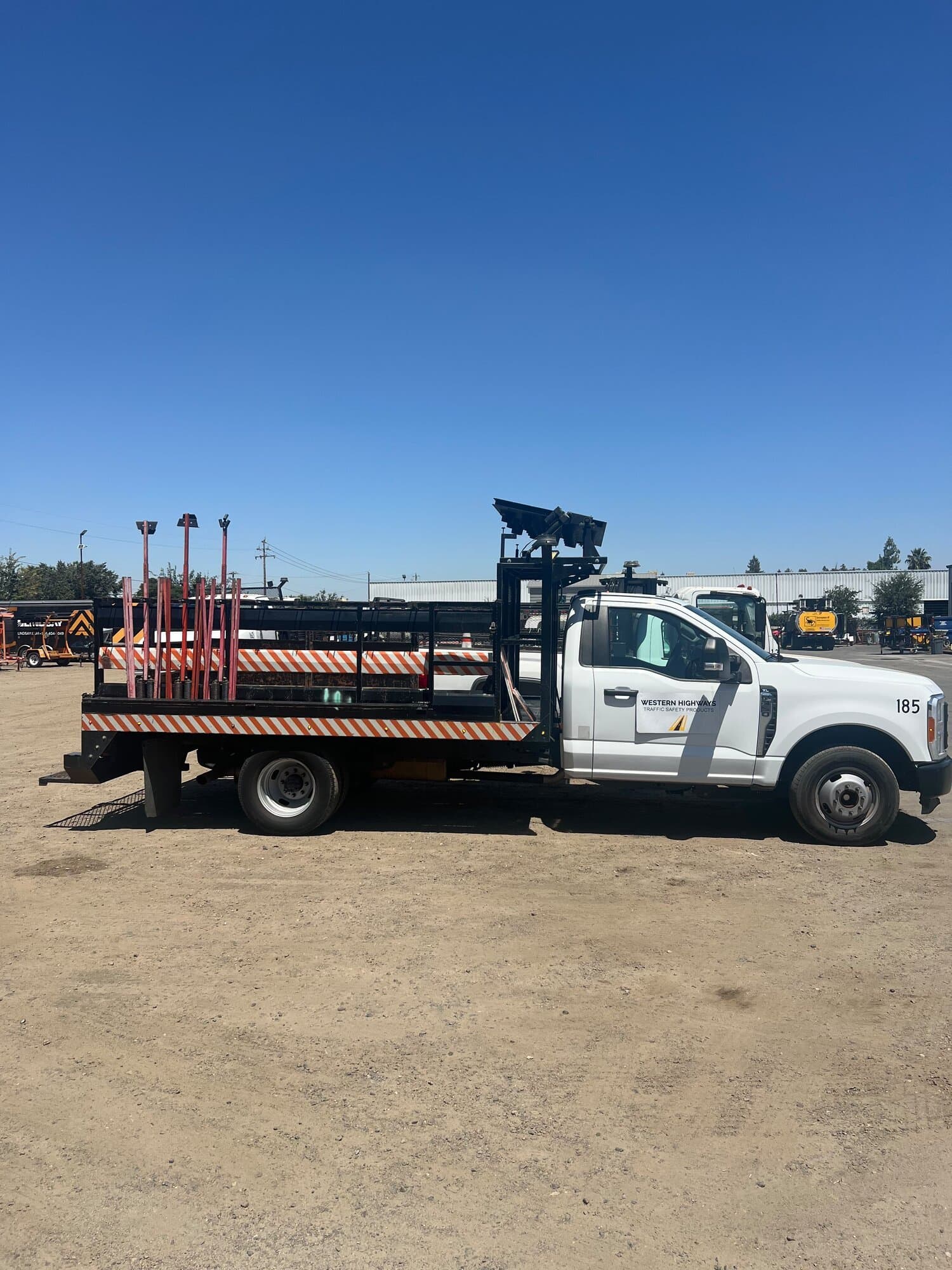
The Engineering Behind a TMA Crash Cushion
A crash cushion looks simple until you understand what it has to do in a fraction of a second. This covers the physics, the two main design approaches, and how MASH 2016 sets the bar.
A TMA crash cushion has one job: turn a high-energy collision into a survivable one. It does that by controlling deceleration. Instead of a vehicle hitting an immovable wall, the cushion crushes over distance, dropping the g-forces on the occupant to a range the body can take.
Two ways to crush
Designs differ in how they dissipate energy. The Scorpion from TrafFix Devices is a non-blade design, with the Scorpion II rated to TL-3. The Blade uses 12 crumpling blades that fold on impact. Both approaches spread the collision over the cushion's length; they just get there differently.
- Scorpion is a non-blade attenuator; the Scorpion II carries a TL-3 rating
- The Blade dissipates energy through 12 crumpling blades
- Heavy-duty makers such as Verdegro build attenuators for the same high-speed duty
- Each design must earn its own crash test and FHWA eligibility letter
MASH 2016 sets the standard
MASH 2016 replaced NCHRP 350 and defines the test levels. TL-2 covers postings of 45 mph and below; TL-3 applies at 50 mph and up, with the crash test run near 62 mph. Non-MASH-2016 units made before 2023 must be off the road by January 1, 2030, so the standard is also a timeline.
- Does a higher test level mean a better cushion?
- It means the cushion was tested at a higher speed. Match the test level to your posted speeds. A TL-3 unit is required for 50 mph work, but a TL-2 unit is appropriate and cost-effective for slower closures.
- What happens to the cushion after a crash?
- A qualifying impact consumes the crushable structure. The unit is then repaired or re-certified before it goes back into service. It is not reusable straight out of a hit.
Need a truck spec'd or serviced?
Tell us the job and we'll help — to buy, rent, or lease.