Maintenance & Repair5 min read
The Top 10 Most Common TMA Repair Requests
TMA trucks come into the shop for a predictable set of issues. Knowing the common ones helps fleets catch problems early and keep trucks compliant.
After enough trucks pass through a shop, the repair list starts to repeat. TMA units wear in predictable ways, and most of what comes in falls into a short set of categories. Knowing them helps a fleet spot trouble before it grounds a truck.
The common ten
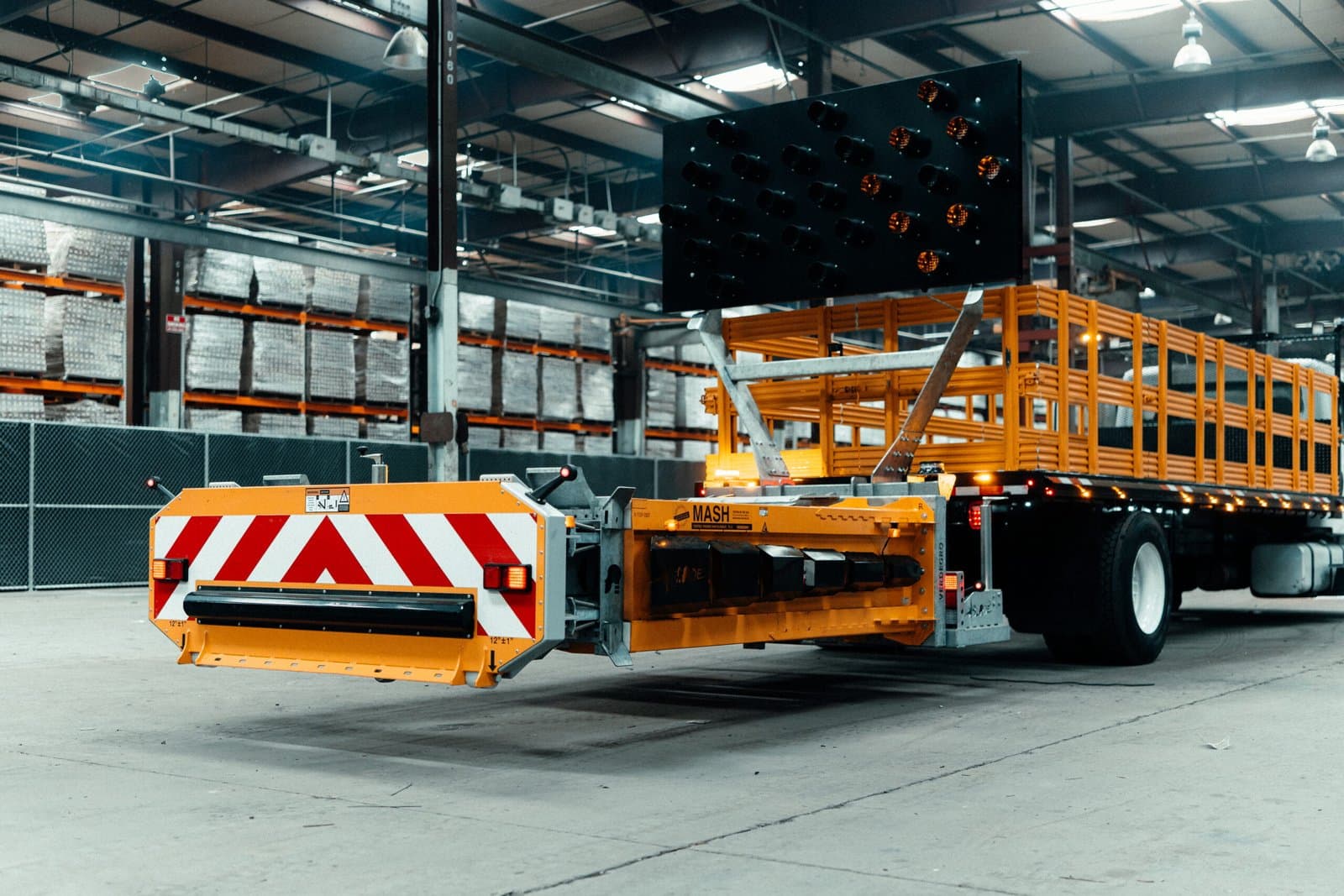
- Post-impact attenuator repair and re-certification after a strike
- Worn or seized deploy and stow mechanisms
- Hydraulic or actuator faults in the attenuator lift
- Corroded mounting hardware and frame fasteners
- Arrow board lamp failures and wiring faults
- Changeable message sign display and controller issues
- Electrical and lighting faults from vibration and weather
- Chassis and suspension wear from rough shoulders
- MASH re-certification for units due on compliance
- General inspection and preventive service before a season
Catching problems early
Most of these are cheaper to fix early. A seized deploy mechanism caught in preventive service costs less than one that fails on a job. Corrosion caught at one fastener is cheaper than a frame overhaul. Regular inspection turns big repairs into small ones.
- Do you re-certify attenuators after an impact?
- Yes. We inspect struck units, repair what is sound, and re-certify to MASH standards. When the crash structure is compromised, we recommend replacement instead.
- How often should a TMA truck be inspected?
- Inspect before each season and after any impact at minimum. Fleets running trucks year-round benefit from a regular preventive schedule to catch wear early.
Need a truck spec'd or serviced?
Tell us the job and we'll help — to buy, rent, or lease.