Training Your Crew on TMA Best Practices
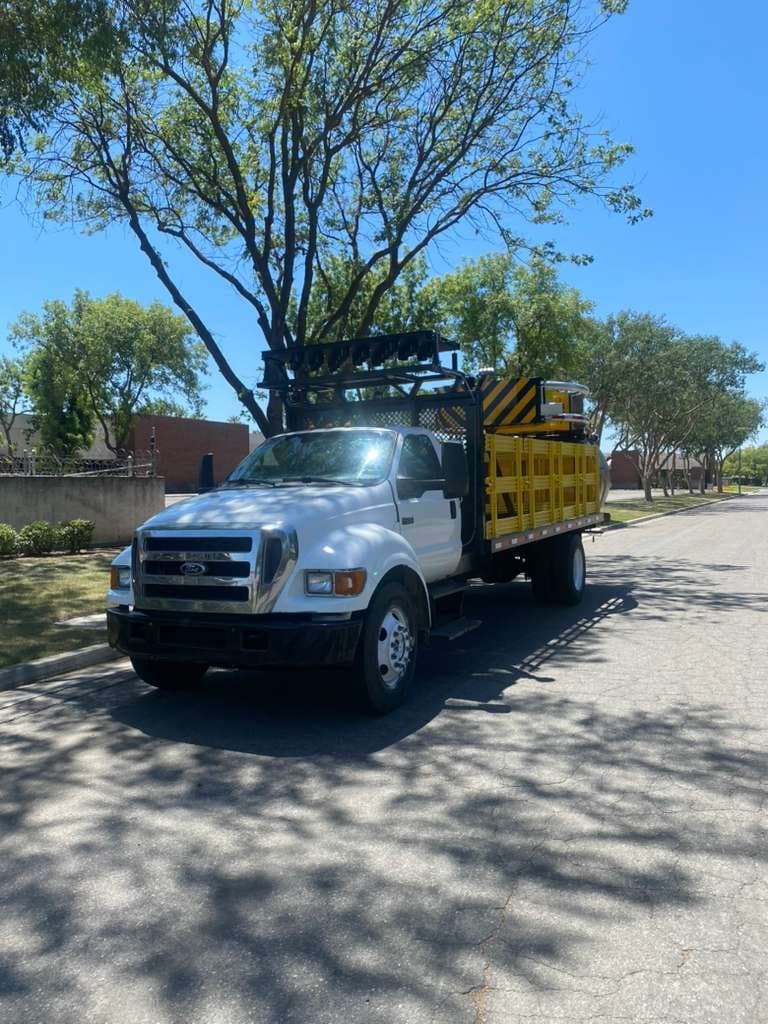
A TMA only protects a crew if it is positioned and operated right. Here is what every operator should know before the truck goes on a job.
A TMA is a safety system, and like any safety system it fails when people use it wrong. Positioning, deployment, and spacing all depend on the operator. Training turns a truck full of good hardware into a truck that actually protects the crew.
Positioning and spacing
The TMA parks as a shadow vehicle behind the crew, and the gap between the truck and the workers matters. Too close and the truck can be pushed into the crew on impact. The right roll-ahead distance depends on the truck weight and speed. Operators need to know how to set that spacing for each job, not eyeball it.
Deployment routine
- Confirm the attenuator is fully deployed before the crew starts, roughly a 20-second cycle
- Verify the arrow board or message sign is set for the closure
- Keep the cab occupied or cleared per your safety plan
- Stow the attenuator before traveling at highway speed, up to about 50 mph
- Check spacing again if the work zone moves
After an impact
Every operator should know the post-crash steps: secure the scene, account for the crew, and take the truck out of service until the attenuator is inspected. A unit that has taken a hit needs to be repaired and re-certified before it protects anyone again. Assuming it still works is the mistake that gets someone hurt.
Need a truck spec'd or serviced?
Tell us the job and we'll help — to buy, rent, or lease.