Top Features to Look For in a Crash Truck
A crash truck is only as good as its spec. These are the features that decide whether one protects a crew and keeps working season after season.
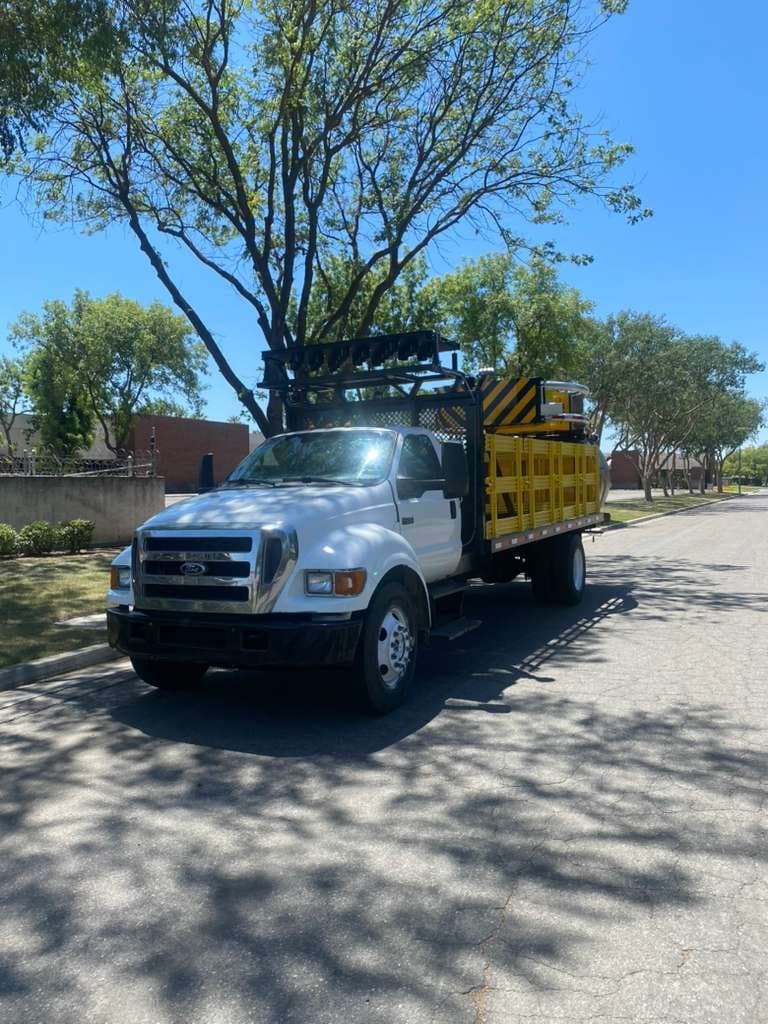
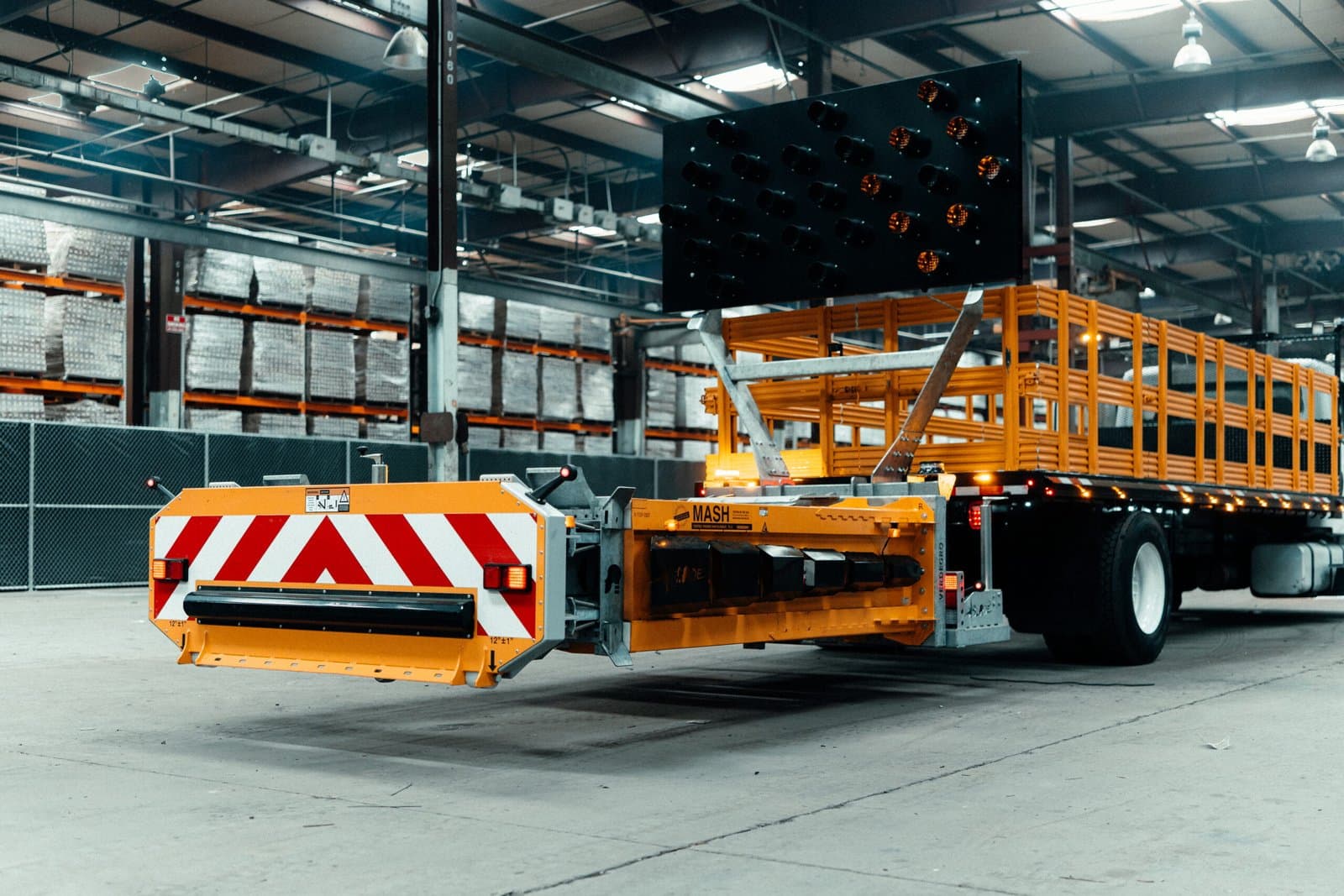
Crash truck is another name for a TMA truck: a shadow vehicle whose job is to take an impact so the crew does not. When you compare builds, a handful of features separate a truck that does that job from one that just looks the part.
The features that matter
- A MASH 2016 attenuator at the right test level, TL-2 or TL-3
- A current FHWA eligibility letter documenting compliance
- A chassis rated around 26,000 lb GVWR or higher to prevent underride
- Fast deployment, roughly 20 seconds from stowed to working
- Highway travel capability with the attenuator stowed, up to about 50 mph
- Mounted arrow board or changeable message sign for signaling
Why GVWR and deployment speed matter most
Two specs get overlooked and both are critical. GVWR determines whether a striking vehicle stops at the attenuator or rides under the truck, so a heavier chassis keeps the crew safer. Deployment speed determines how fast a crew can set up and move, which matters on mobile jobs where the truck follows the work. A truck that deploys in about 20 seconds keeps pace with striping and sweeping operations.
Documentation is a feature. A truck without a current FHWA eligibility letter cannot prove it is compliant, and on the wrong day that gap is the one that matters.
Need a truck spec'd or serviced?
Tell us the job and we'll help — to buy, rent, or lease.