How Scorpion II TMAs Are Tested for Impact Resistance
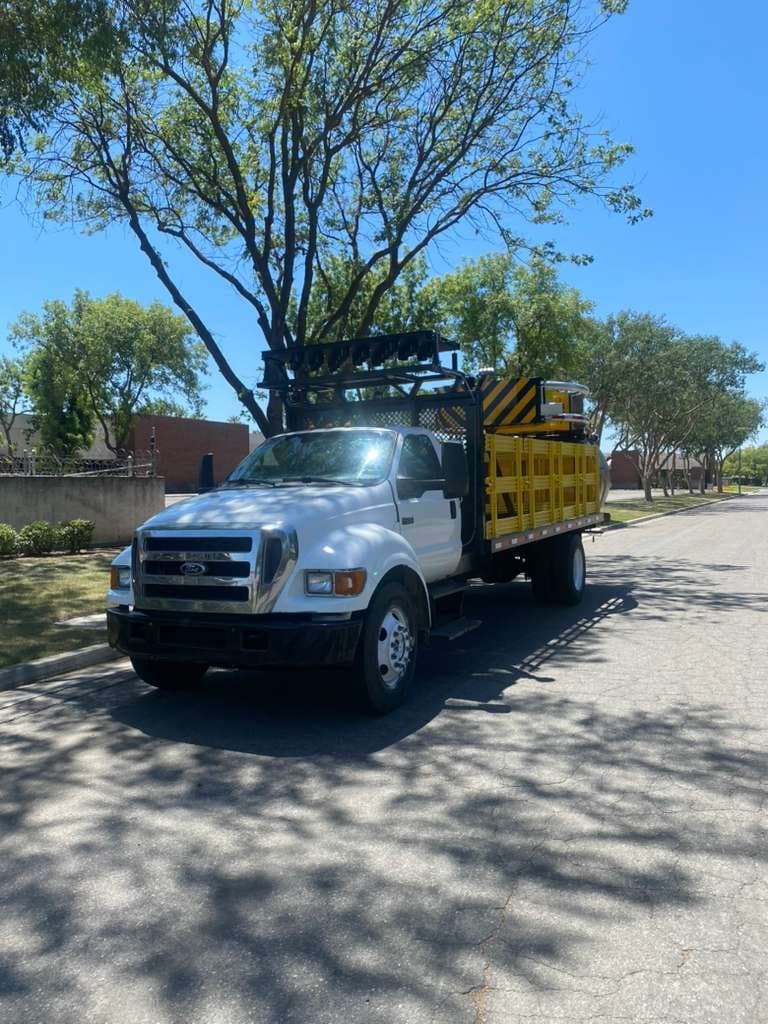
The Scorpion II is a TL-3 attenuator, meaning it is crash-tested for high-speed roadwork. Here is what that rating involves and why it matters for Texas highway crews.
Ratings like TL-2 and TL-3 are not marketing labels. They correspond to full-scale crash tests that a device has to pass before the FHWA issues an eligibility letter. The Scorpion II carries a TL-3 rating, the level for high-speed highway work.
What the test levels mean
- TL-2 covers work zones at 45 mph or below.
- TL-3 covers 50 mph and above, with a crash test conducted at roughly 62 mph.
- Some units are optionally tested to 70 mph for higher-speed corridors.
MASH 2016 and eligibility
MASH 2016 is the current crash-test standard; it replaced the older NCHRP 350 criteria. A device that passes its MASH crash test earns an FHWA eligibility letter, which is the document agencies and contractors look for when specifying equipment. The Scorpion II sits in that TL-3 tier.
Weight matters too. A host truck at roughly 26,000 lb GVWR or more helps prevent the errant vehicle from riding up under the truck during impact. The attenuator and the truck work as a system, which is why re-certification checks both.
- Is TL-3 required for all Texas highway work?
- Speed drives the requirement. Work at 50 mph and above generally calls for a TL-3 device; check the specific job specification and agency requirements.
- What is the difference between the Scorpion and the Scorpion II?
- The original Scorpion is a non-blade attenuator. The Scorpion II is rated TL-3 for high-speed work.
Need a truck spec'd or serviced?
Tell us the job and we'll help — to buy, rent, or lease.