Common Blade TMA Problems to Watch For During Repairs
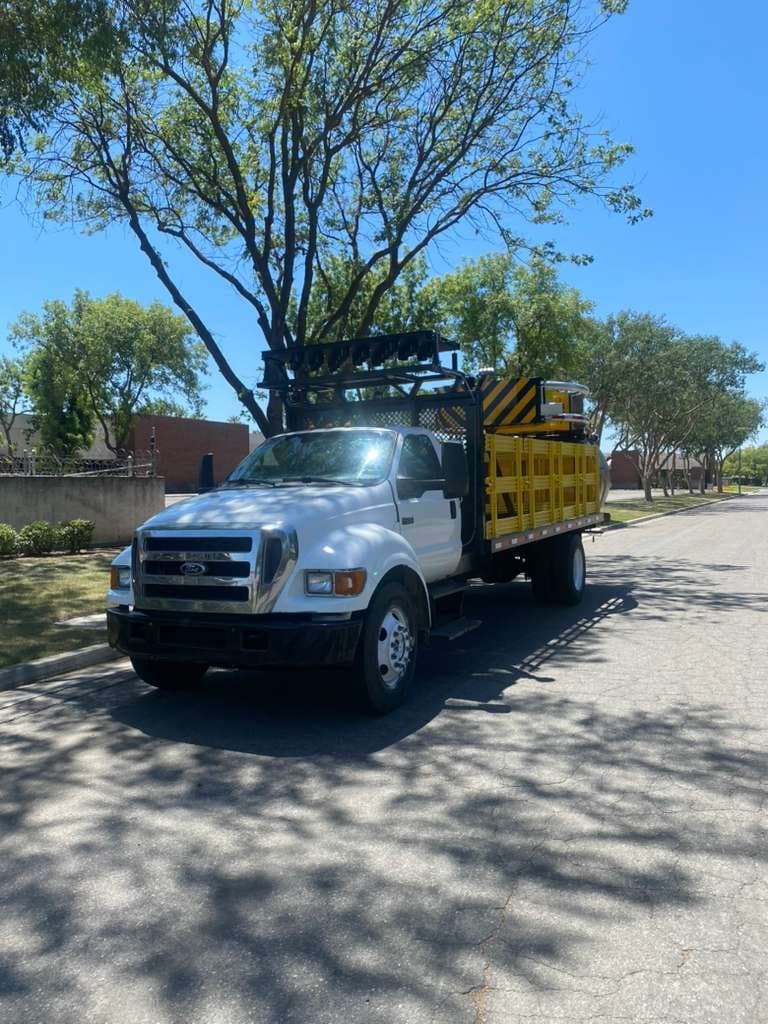
The Blade attenuator absorbs impacts with 12 crumpling blades. Knowing what wears, what bends, and what needs replacing keeps a Blade unit ready for the next deployment.
The Blade TMA uses 12 crumpling blades to soak up the energy of an errant vehicle. That design is straightforward, which is part of its appeal, but the blades and their mounting hardware are the parts a technician should check first.
Blade and frame condition
- Crumpled or previously deformed blades must be replaced, not straightened; their energy absorption depends on the original geometry.
- Check mounting points and the frame for cracks or stress marks after any impact.
- Confirm hardware torque; vibration on Texas highway runs loosens fasteners over time.
Deployment and lighting
The attenuator has to move from stowed to deployed reliably. Test the raise and lower cycle, watch for hydraulic hesitation, and inspect hoses for chafing. Then verify the arrow board and warning lamps, since a Blade that deploys but cannot signal drivers is only doing half its job.
- Can a Blade unit be re-used after a crash?
- After an impact, damaged blades are replaced and the frame is inspected before the unit returns to service. A qualified shop should confirm it still meets its rating.
- How often should blades be inspected?
- Inspect at every scheduled service and always after any impact, even a minor one, because internal damage is not always visible from the cab.
Need a truck spec'd or serviced?
Tell us the job and we'll help — to buy, rent, or lease.