
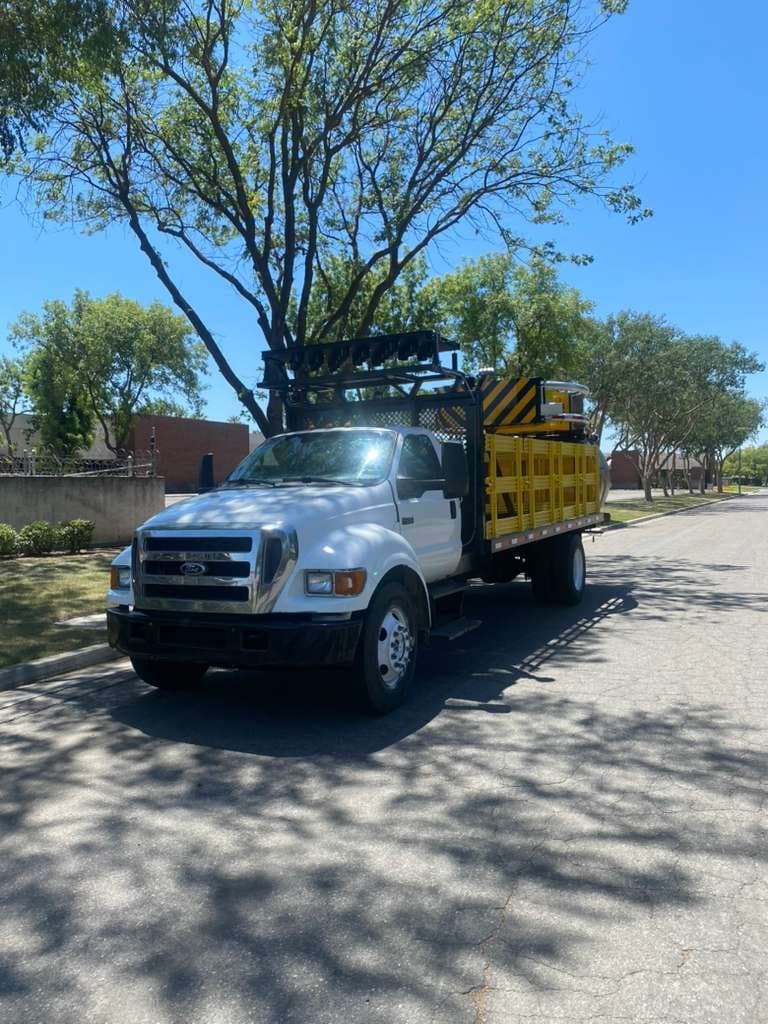
Winterizing Your Work-Zone Safety Vehicles
Cold weather is hard on hydraulics, batteries, and boards. A short winter prep list keeps your attenuator trucks deploying when the roads are worst.
Winter is when work zones get more dangerous and equipment gets less reliable. Cold thickens hydraulic fluid, drains batteries, and finds every weak seal. A truck that deployed fine in October can hesitate in January if nobody prepped it.
Focus on the systems cold attacks
- Hydraulics: confirm fluid is rated for the temperatures you will see, and cycle the attenuator to check for sluggish deployment
- Batteries and charging: cold cuts capacity, so test and replace weak batteries before they strand a truck
- Seals and connectors: reseal boards and wiring against moisture and road salt
- Lighting: verify every lamp, since short winter days mean more time running lights
The attenuator still has to drop in about 20 seconds when a crew needs it. Cold-stiffened hydraulics are the most common reason that slows down, so the deployment test is the one check not to skip.
Do it before the first freeze
Winterizing after the first storm is too late, that is when you learn what you missed. Run the prep during the shoulder season while the shop has time and a grounded truck does not cost you a lane closure.
Road salt is the quiet killer. Rinse trucks after salted runs and re-check grounds and connectors through the season.
Need a truck spec'd or serviced?
Tell us the job and we'll help — to buy, rent, or lease.