A Guide to Replacing Your Attenuator
An attenuator does not last forever, and an outdated one may soon be illegal. Here is when to replace, what to check, and how the 2030 deadline factors in.
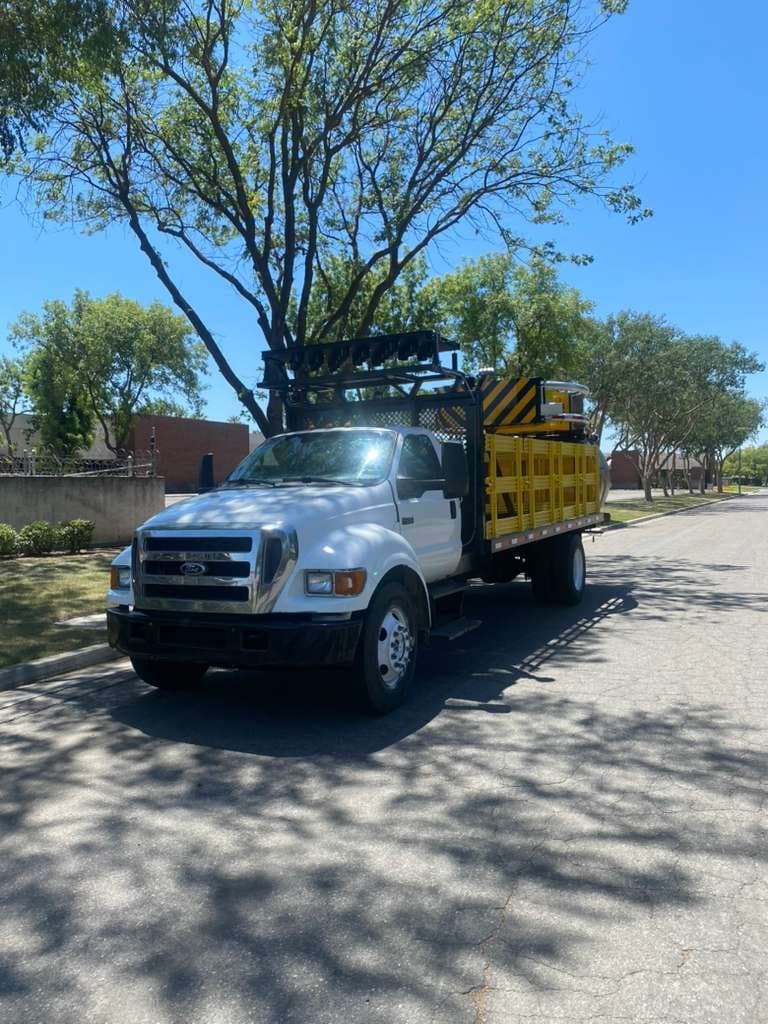
An attenuator is a consumable safety part. It takes wear from deploy and stow cycles, it can be damaged in a strike, and the standard it was built to may be phased out. Knowing when to replace one keeps a crew protected and a truck legal.
Signs it is time to replace
- The unit was hit and cannot be repaired to spec
- Mounting hardware or the crash structure shows fatigue or corrosion
- The attenuator is not MASH 2016 compliant
- You need a higher test level for new, higher-speed work
The 2030 deadline
This is the big one for older fleets. Non-MASH-2016 units built before 2023 must be off the road by January 1, 2030. If you are running attenuators certified only to the old NCHRP 350 standard, they have a shelf life. Planning replacement now spreads the cost and avoids grounding trucks on a deadline.
Repair, re-certify, or replace
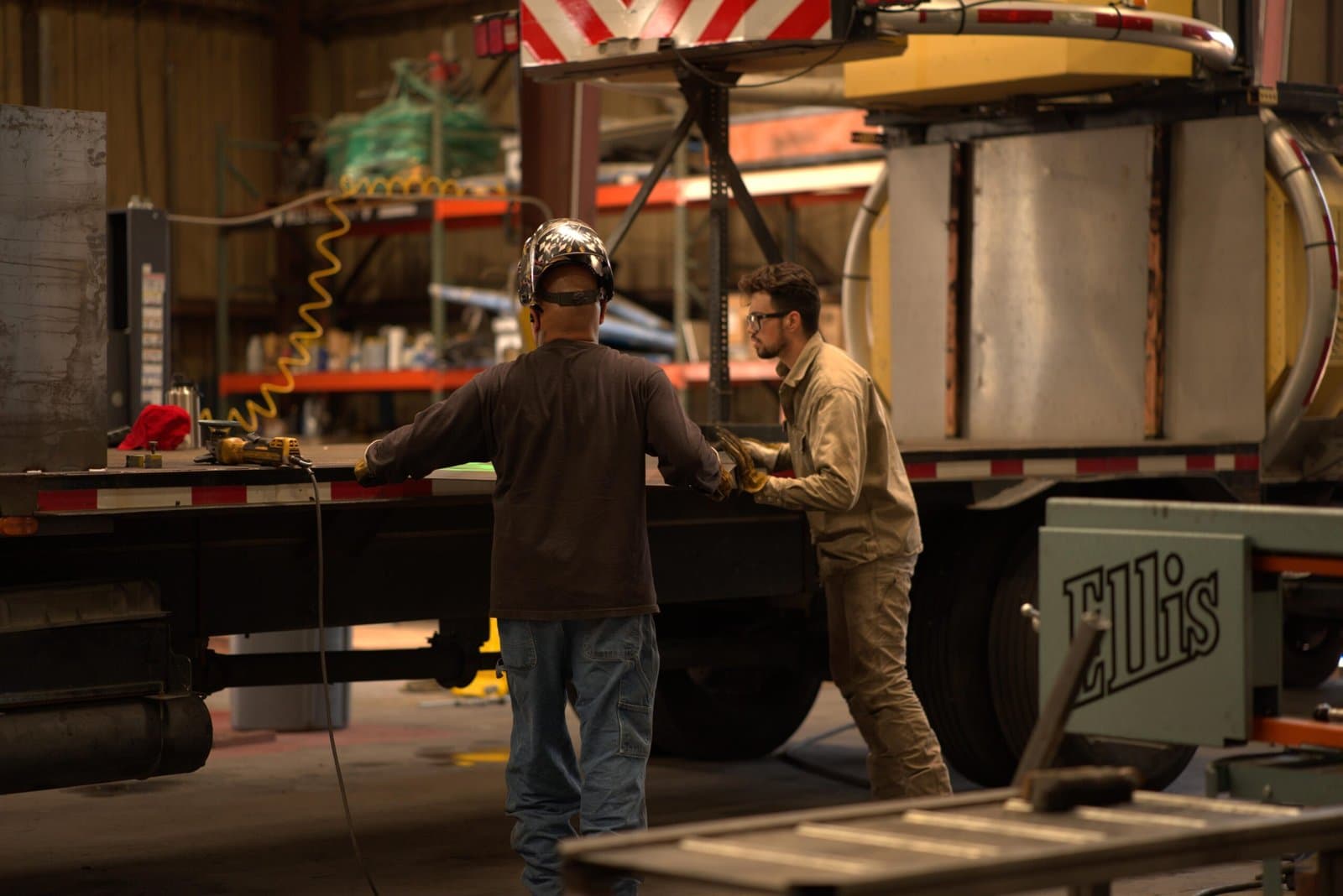
Not every damaged attenuator needs replacing. We repair and re-certify units in our own shop, which restores compliance at lower cost than a full replacement when the crash structure is sound. When it is not, replacement is the only safe answer. Have the unit inspected before you decide.
Need a truck spec'd or serviced?
Tell us the job and we'll help — to buy, rent, or lease.