The Real Cost Math on Crash Trucks
A TMA is a real capital line, but the cost of not having one is higher. Here is how to think about purchase, rental, and the economics of protection.
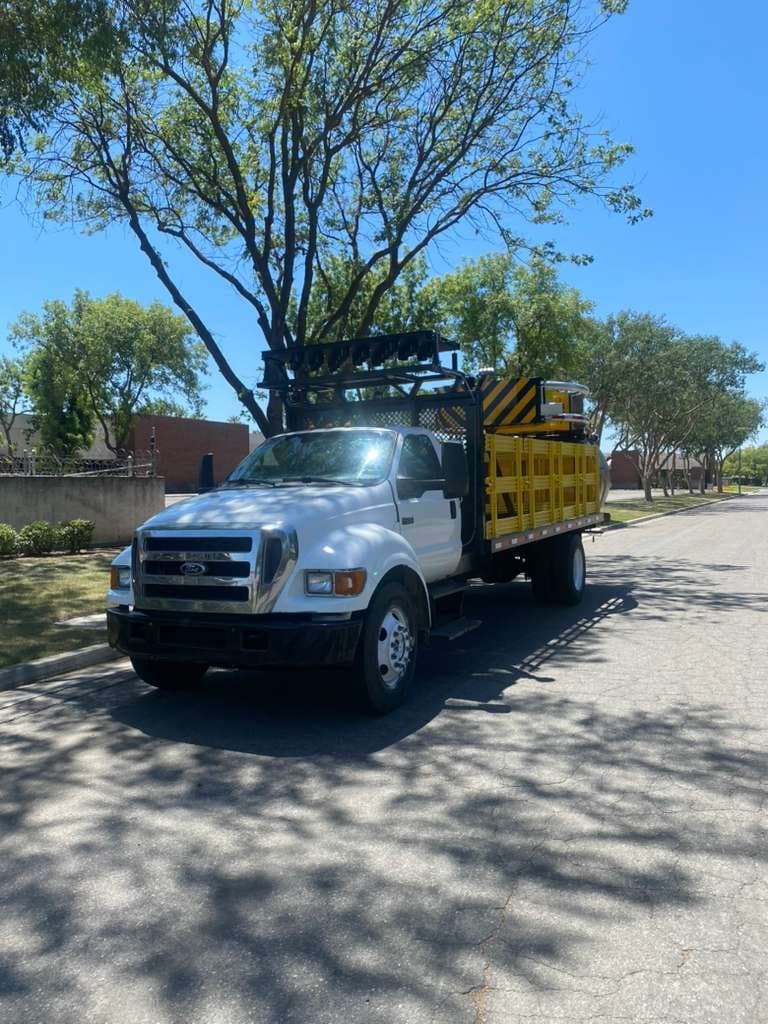
A crash truck is not cheap, and pretending otherwise helps no one. But the honest way to weigh the cost is against what a work-zone crash actually costs: an injured crew member, project delays, and liability. Against that, the equipment is the smaller number.
Ways to pay for one
- Purchase or build: roughly $40,000 to $165,000 depending on truck, attenuator, and configuration.
- Rent: around $300 per day, $700 per week, or $2,100 per month for short-term or overflow needs.
- Lease or finance: spread the cost when you need units long-term but want to protect cash flow.
Matching the option to the work
Steady, year-round work usually justifies buying or leasing, because rental costs add up over months. Short projects, seasonal peaks, or covering a unit that is in for repair are exactly what rentals are for. Many fleets run a core of owned trucks and rent for the peaks, which keeps utilization high on the units they own.
Factor the 2030 deadline into the math. Money spent maintaining a pre-2023 non-MASH unit is money spent on equipment that has to be retired anyway.
- Is renting ever cheaper than buying long-term?
- For steady long-term use, ownership almost always wins on cost. Renting shines for short projects, seasonal spikes, and covering downtime.
- What drives the price range on a purchase?
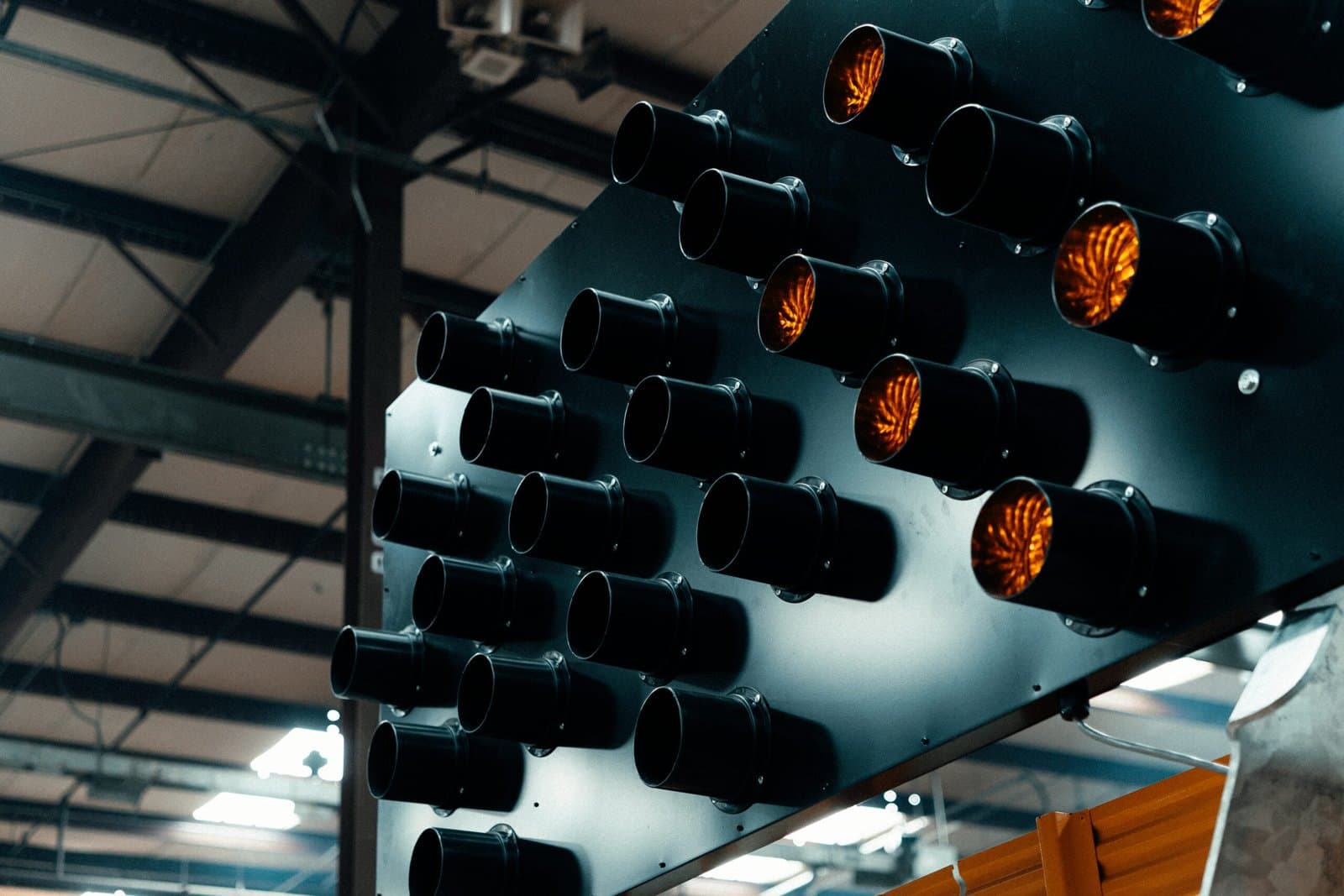
- The truck chassis, the attenuator model and test level, the arrow board or message board configuration, and any higher-speed testing options.
Need a truck spec'd or serviced?
Tell us the job and we'll help — to buy, rent, or lease.