What Makes a Modern Attenuator Build Better
Newer TMA builds improve on deployment, transferability, and integration. Here is what to look for in a current-generation crash truck.
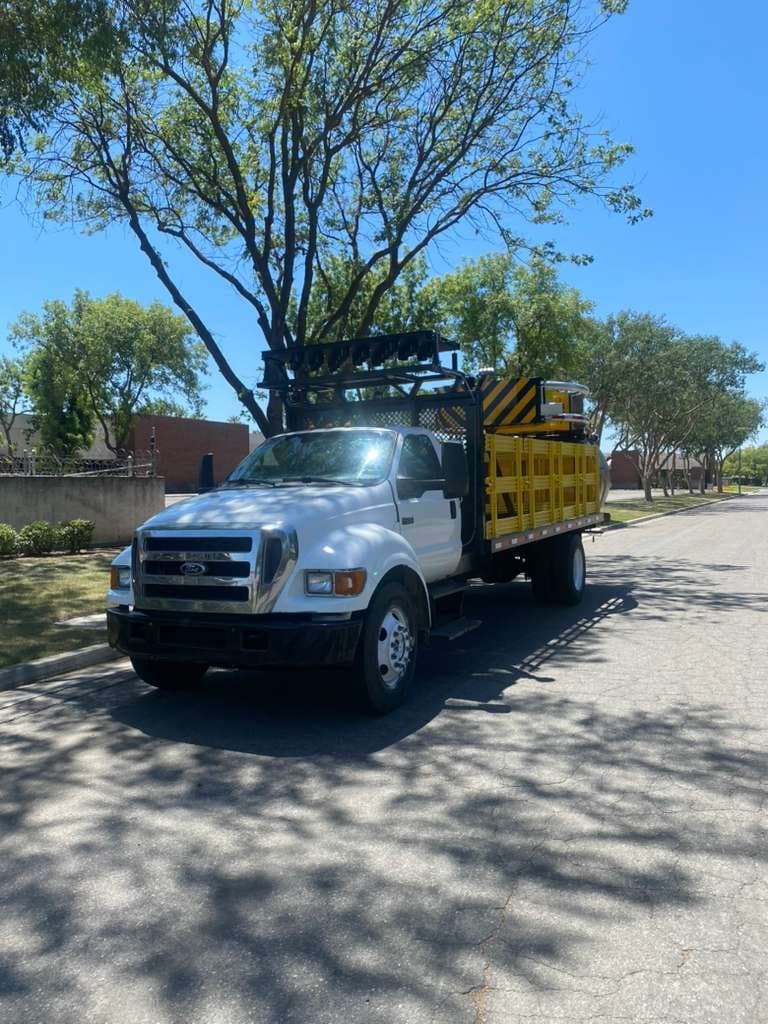
The fundamentals of a crash truck have not changed, but the way modern units are built has. A current-generation attenuator is easier to deploy, easier to move between trucks, and better integrated with the signaling your crew relies on. Those improvements show up in daily operations, not just crash tests.
Improvements worth paying for
- Fast deployment, from travel to protect in about 20 seconds so the crew is covered sooner.
- Quick transfer between trucks in around 10 minutes, letting one attenuator serve several vehicles.
- Integrated arrow boards in 15- or 25-lamp configurations, wired and mounted as part of the build.
- Options for higher-speed work, including testing to 70 mph beyond standard TL-3.
Choosing between designs
You will weigh energy-absorption systems like the Scorpion against blade designs like the Blade TMA, which crumples its aluminum body across 12 blades. Both meet MASH 2016 and carry an FHWA Eligibility Letter. The right pick comes down to repair approach, downtime, and how well your service provider supports the design over its life.
The best innovation is the one you can actually get. Short lead times and available inventory turn a good spec into a truck that is protecting your crew this month, not next year.
Need a truck spec'd or serviced?
Tell us the job and we'll help — to buy, rent, or lease.