Where TMAs Fit as Roads Get Smarter
Connected vehicles and better traffic data help work zones, but crews still need a physical buffer. Here is how attenuators fit alongside newer road technology.
Roads are picking up sensors, connected-vehicle alerts, and real-time work-zone data feeds. These tools warn drivers earlier and route traffic more intelligently. None of them stops a vehicle that is already headed into a closed lane, which is why the truck-mounted attenuator still holds its place.
Digital warnings and physical protection do different jobs
- Connected alerts tell a driver a work zone is ahead; the TMA handles the driver who never saw the alert.
- Smart signage can post live speeds; the attenuator absorbs the impact when a driver ignores them.
- Traffic data helps plan safer zones; the shadow vehicle protects the crew inside the one you set up.
The layers work together
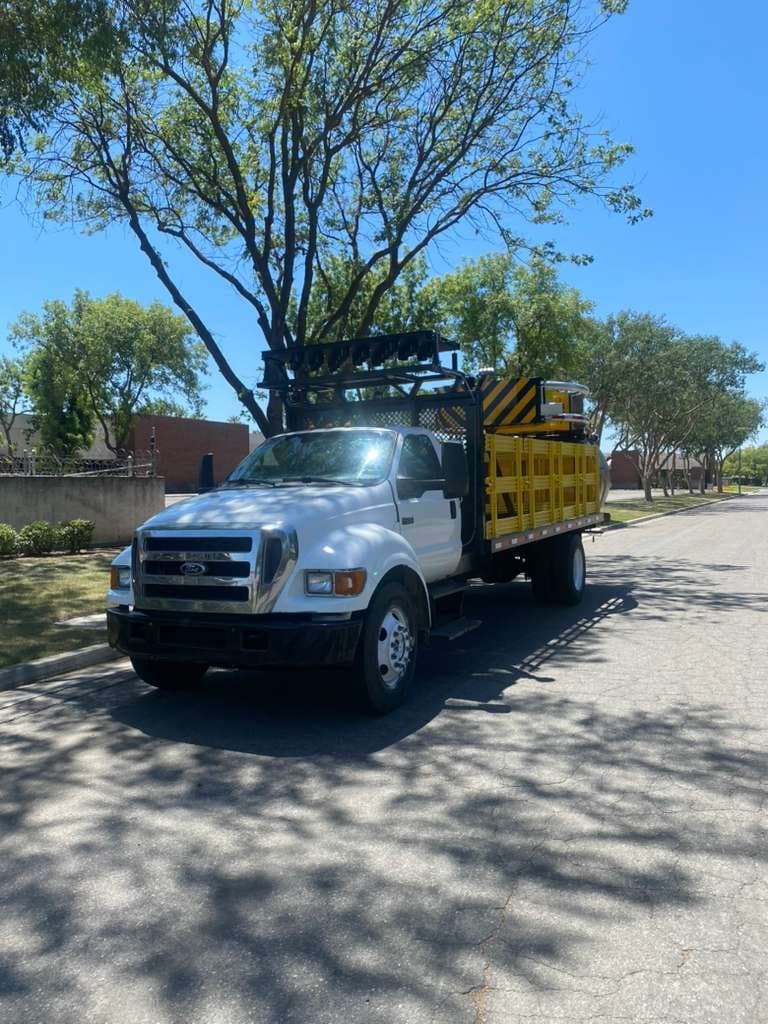
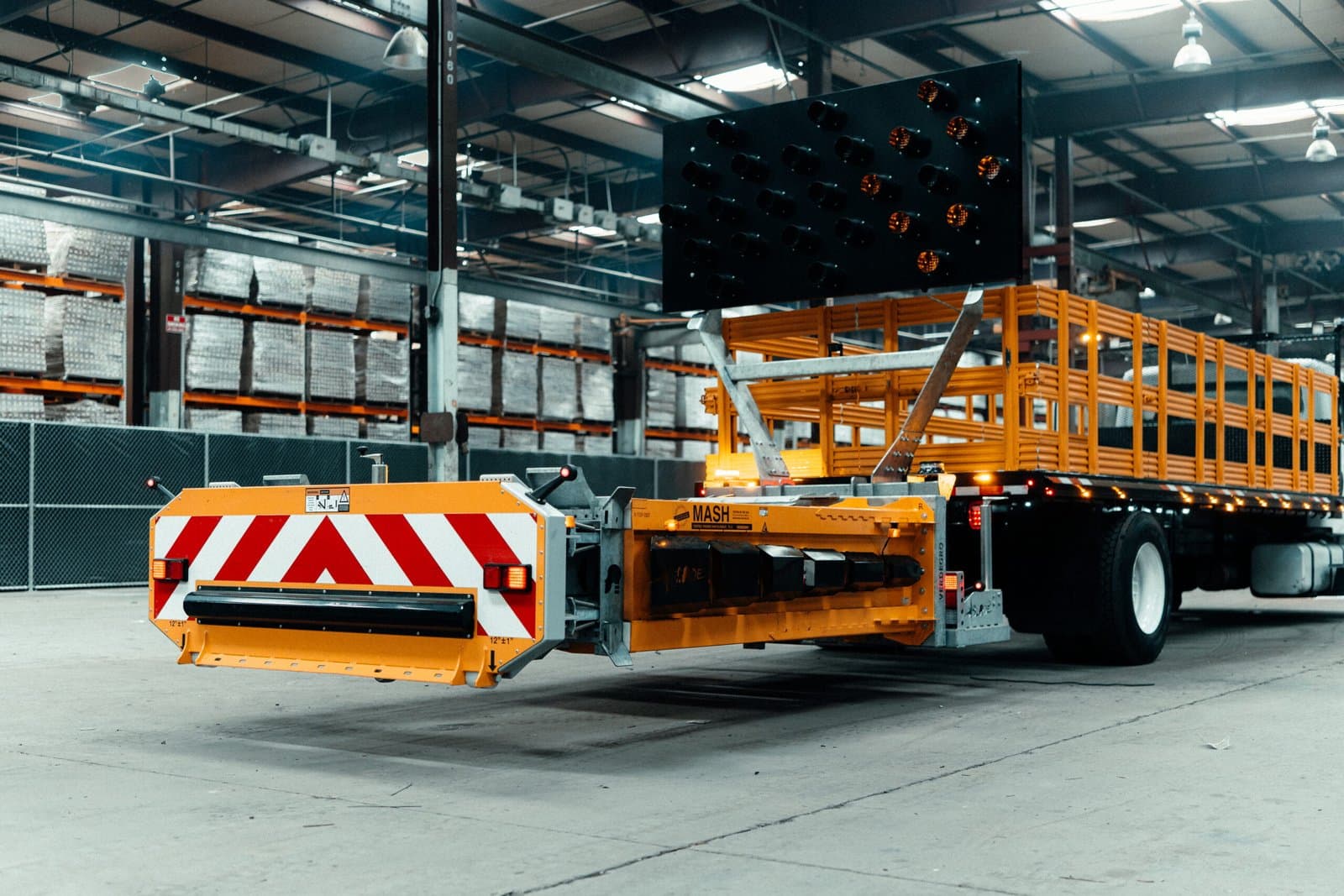
Think of it in layers. Data and connected systems reduce how often a vehicle reaches your taper unprepared. Arrow boards and message boards give a clear last-second warning. The TMA is the final layer, the one that catches the failures the other layers let through. As the road gets smarter, that last physical layer does not become less important. It becomes the backstop everything else relies on.
Need a truck spec'd or serviced?
Tell us the job and we'll help — to buy, rent, or lease.