Getting More Protection Out of the Crash Truck You Have
The attenuator is only part of a safe work zone. Here is how placement, signaling, and buffer distance combine to get the most protection from your TMA.
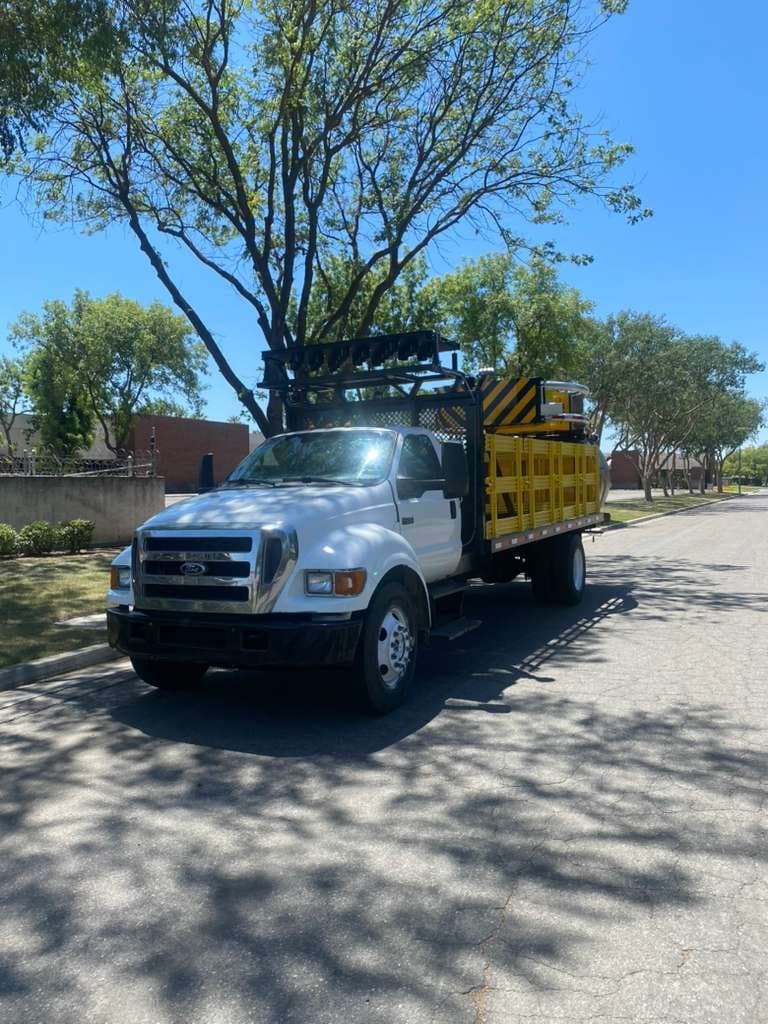
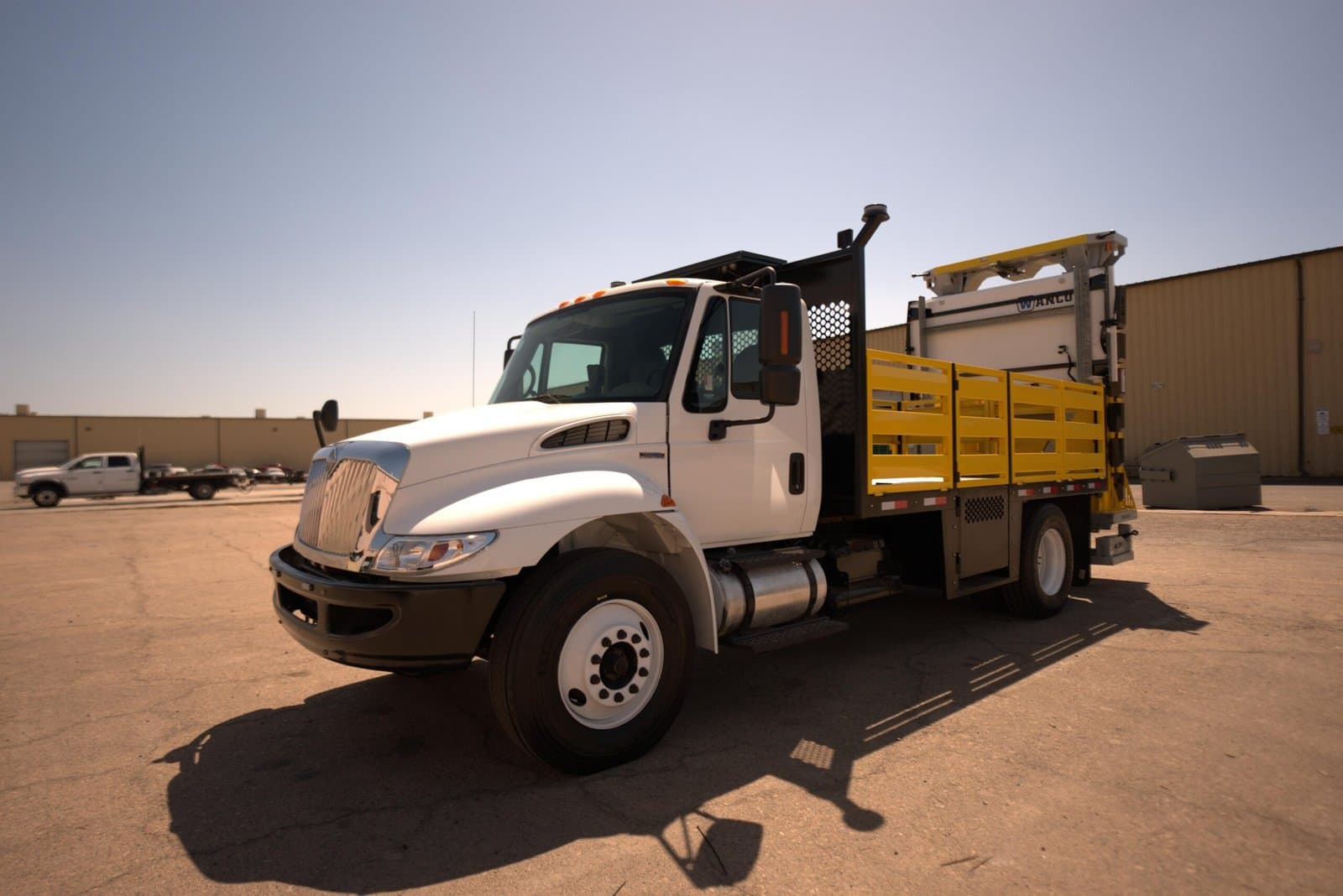
Owning a crash truck is not the same as running it well. The attenuator does its job on impact, but everything around it, placement, buffer, and signaling, decides whether that impact ever reaches the crew or arrives with less force. Small setup choices carry a lot of the safety load.
Levers you control on every job
- Placement: position the shadow vehicle to take a hit square, aligned with the closed lane.
- Buffer: keep enough distance between the truck and the crew so an impact does not push the truck into people.
- Signaling: use a correctly aimed arrow board, 15- or 25-lamp, to give drivers a clear merge instruction.
- Weight: confirm the truck plus payload meets the roughly 26,000 lb GVWR target to prevent underride.
Match the setup to the road
A 50 mph highway job needs a TL-3 unit, a longer buffer, and a board that reads at distance. A slower urban zone can run TL-2 with a tighter setup. Tuning the deployment to the conditions, rather than using one setup everywhere, is how you get full value from the truck you already own.
The cheapest safety upgrade is often a longer buffer and a better-aimed board. Neither costs equipment, and both change what a driver sees and how an impact plays out.
Need a truck spec'd or serviced?
Tell us the job and we'll help — to buy, rent, or lease.