Comparing State TMA Requirements: A Fleet Manager's Approach
Two states can require very different setups for the same job. Here is a framework for comparing state TMA regulations without getting buried in code.
The federal standard tells you what a compliant attenuator is. It does not tell you when and how each state requires you to use one. Those answers live in state DOT specifications, and they differ enough that a setup legal in one place can fall short in another.
A checklist for any state
- Is a TMA required for this operation, and at what speed threshold?
- What test level does the road speed demand, TL-2 or TL-3?
- What buffer distance and placement does the state specify?
- What signage is required, and does the arrow board need a specific lamp count?
- Is there a ballast certification requirement for portable boards?
Turning the checklist into a standard
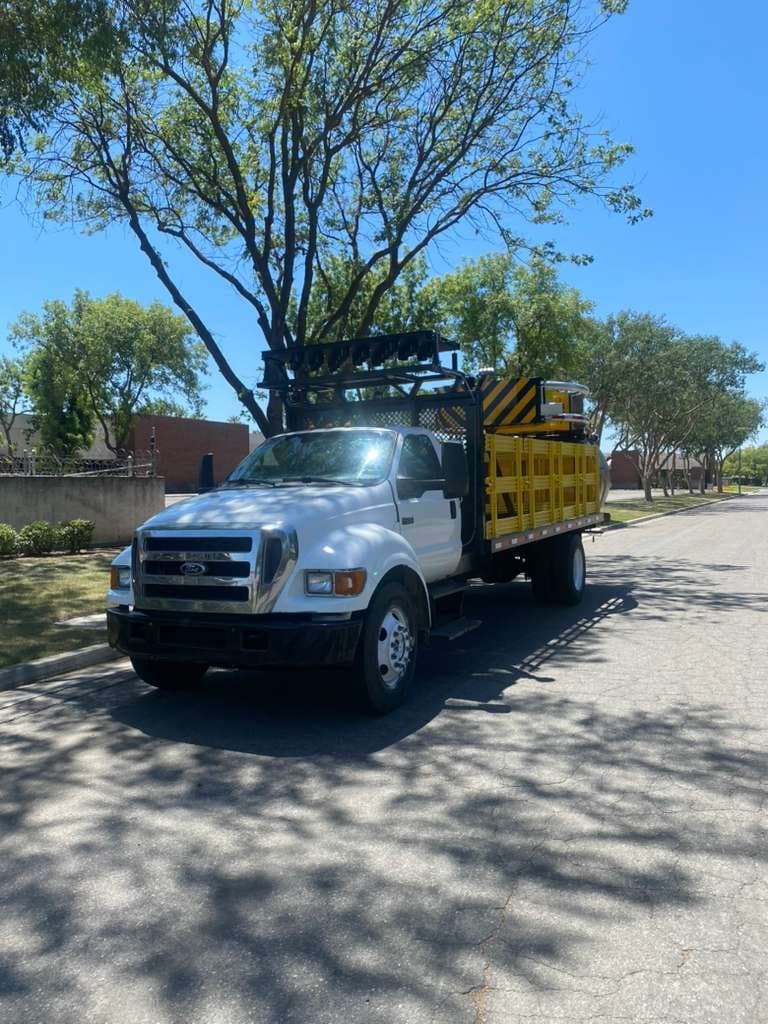
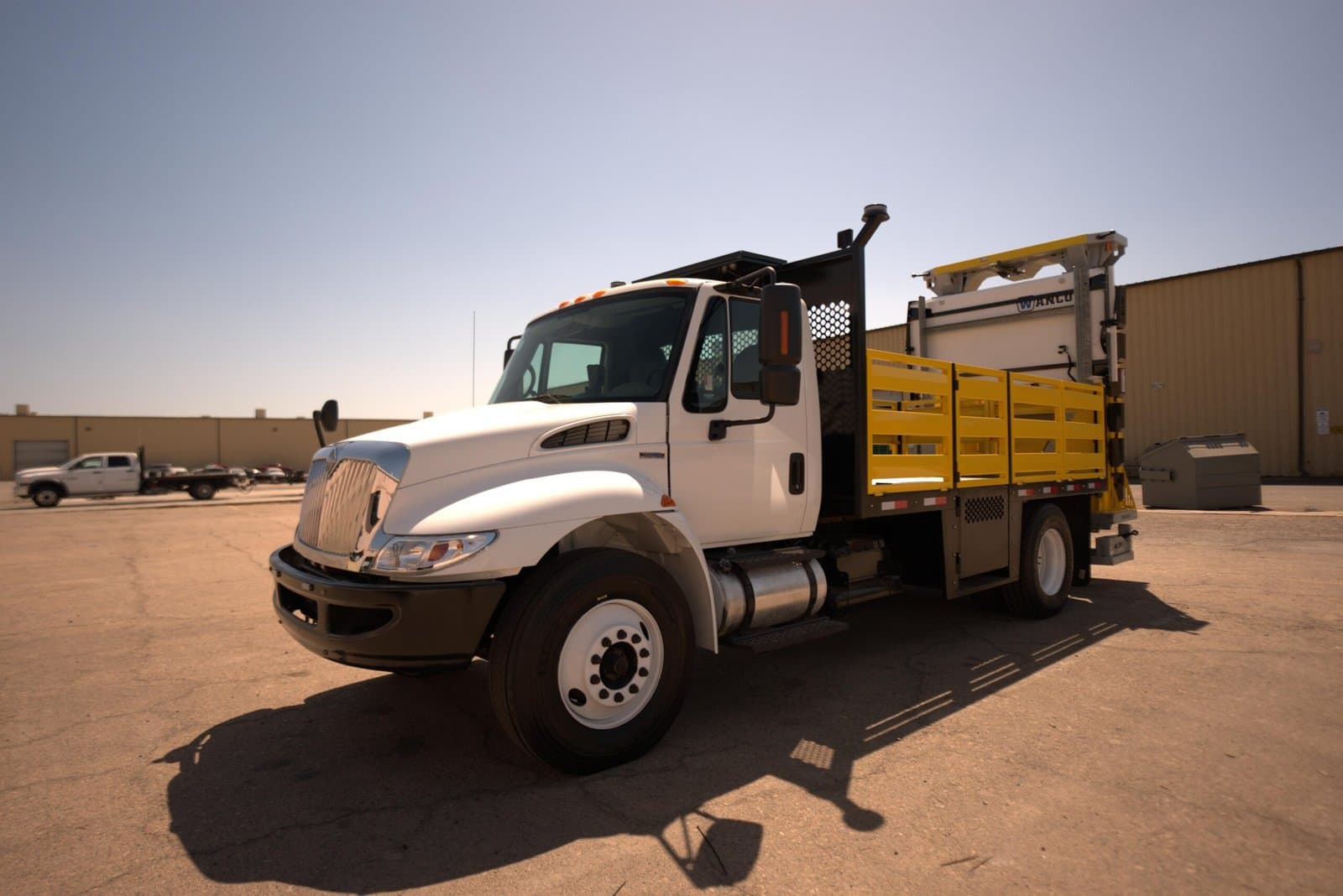
Run that checklist for each state you serve, then build your fleet to the most demanding answer in each category. It is cheaper and safer to over-build one consistent truck than to maintain several configurations and hope the right one shows up at the right job. A TL-3 unit at roughly 26,000 lb GVWR with a certified 25-lamp board covers a wide range of state requirements.
- Do federal rules override state ones?
- MASH and FHWA eligibility set the baseline every unit must meet. States can add stricter requirements on top, so you have to satisfy both.
- How often do state specs change?
- They update periodically, especially around standards shifts like the MASH transition. Check the current state DOT spec rather than relying on an old copy.
Need a truck spec'd or serviced?
Tell us the job and we'll help — to buy, rent, or lease.