What a TMA Does in the Two Seconds That Matter
A truck-mounted attenuator earns its cost in a single impact. Here is how the shadow vehicle works, what it protects, and why the details of the build decide the outcome.
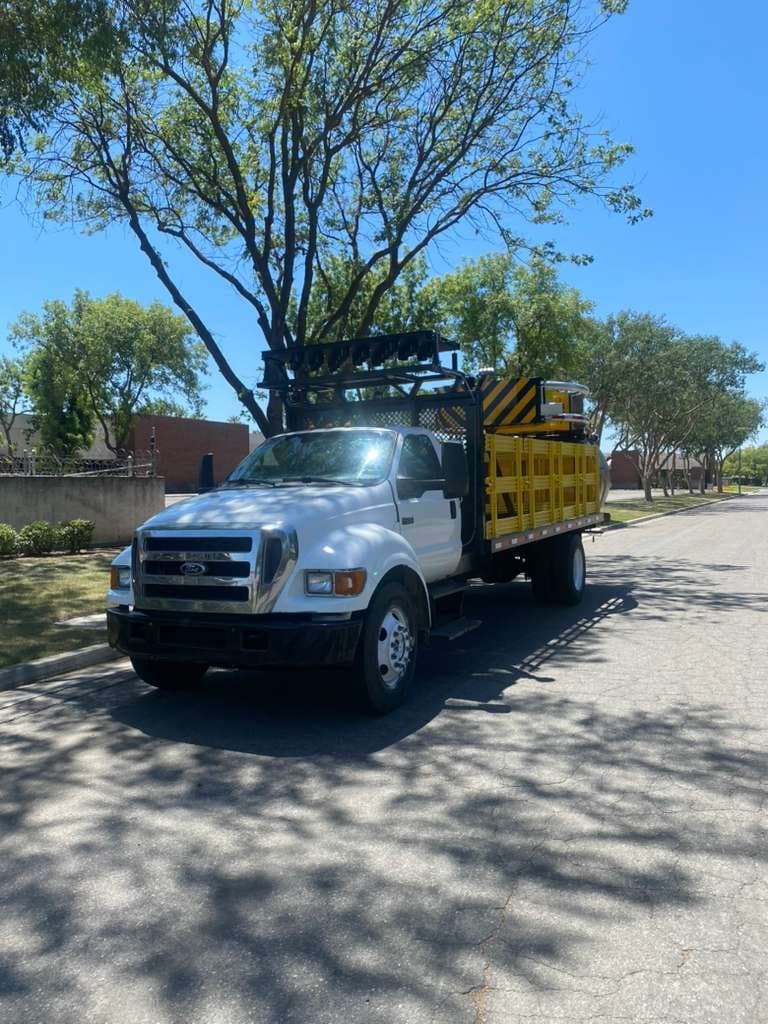
A truck-mounted attenuator spends most of its life doing nothing visible. It parks behind a crew as a shadow vehicle and waits. Its whole job happens in the couple of seconds when an errant vehicle comes in hot and the attenuator takes the hit that would otherwise reach the people working ahead.
The mechanics of a save
On impact, the energy-absorption system crushes in a controlled way, slowing the striking vehicle over distance instead of stopping it dead. Just as important, it redirects that vehicle away from the cab's coffin corner, the spot where an offset hit does the most damage to the driver and can pitch the truck forward into the crew.
Why the build details decide everything
- Mass: a truck and payload near 26,000 lb GVWR keeps the striking vehicle from sliding under the truck.
- Rating: TL-3 units are crash-tested at roughly 62 mph, which covers highway-speed work zones.
- Standard: MASH 2016 replaced the older NCHRP 350, and every current unit carries an FHWA Eligibility Letter.
The attenuator only protects the crew if the truck behind it is spec'd to carry it. Under-weight trucks let the impacting vehicle underride, which defeats the whole system.
Need a truck spec'd or serviced?
Tell us the job and we'll help — to buy, rent, or lease.