The Evolution of Work-Zone Traffic Safety Equipment
Work-zone protection moved from cones and flaggers to crash-tested attenuator trucks. The path from NCHRP 350 to MASH 2016 explains where the equipment stands today.
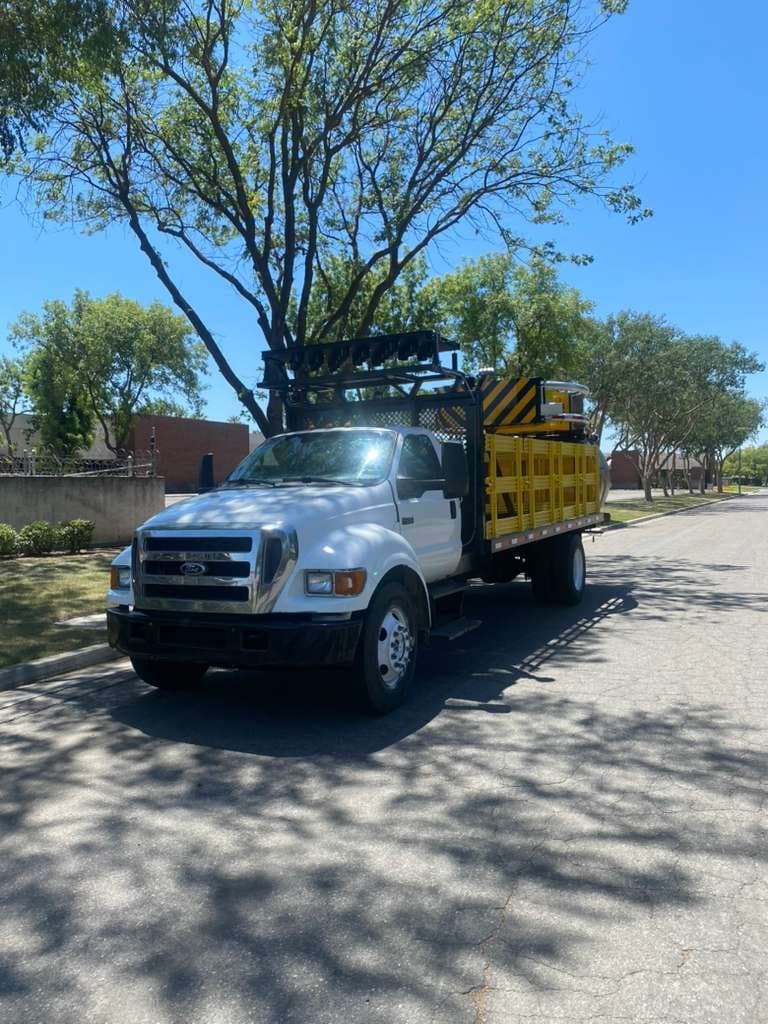
Protecting a road crew used to mean cones, signs, and a flagger with good instincts. Those still have a place, but they do nothing when a distracted driver enters the lane at highway speed. The truck-mounted attenuator filled that gap, and the rules around it have tightened steadily.
From NCHRP 350 to MASH 2016
For years, NCHRP 350 defined how safety hardware was crash-tested. MASH 2016 replaced it with more demanding criteria and clearer test levels. The change was not cosmetic. It set a firm line: non-MASH-2016 units built before 2023 have to be off the road by January 1, 2030.
What a modern setup looks like
- A shadow vehicle heavy enough to resist underride, roughly 26,000 lb GVWR or more
- An attenuator matched to the road speed, TL-2 to 45 mph, TL-3 at 50 mph and above
- Arrow or message boards to warn traffic well ahead of the crew
- Documentation tying the unit to an FHWA eligibility letter
Deployment got faster too. A crew can drop an attenuator in about 20 seconds and move a unit between trucks in roughly 10 minutes. That speed keeps protection in place during setup and teardown, the moments when crews are most exposed.
Every generation of this equipment traded improvisation for testing. The current standard is the strictest yet, and it has a deadline attached.
Need a truck spec'd or serviced?
Tell us the job and we'll help — to buy, rent, or lease.