How to Ensure Safety During TMA Repairs in Active Work Zones
Sometimes an attenuator has to be swapped or serviced without leaving the job. Here is how to do it without exposing the crew to live traffic.
A TMA can go down mid-shift after a strike or a hydraulic fault. Getting it back in service is important, but not at the cost of putting a technician in a lane of moving traffic. Repairs near an active work zone need the same discipline as the work itself.
Move the work out of the impact path
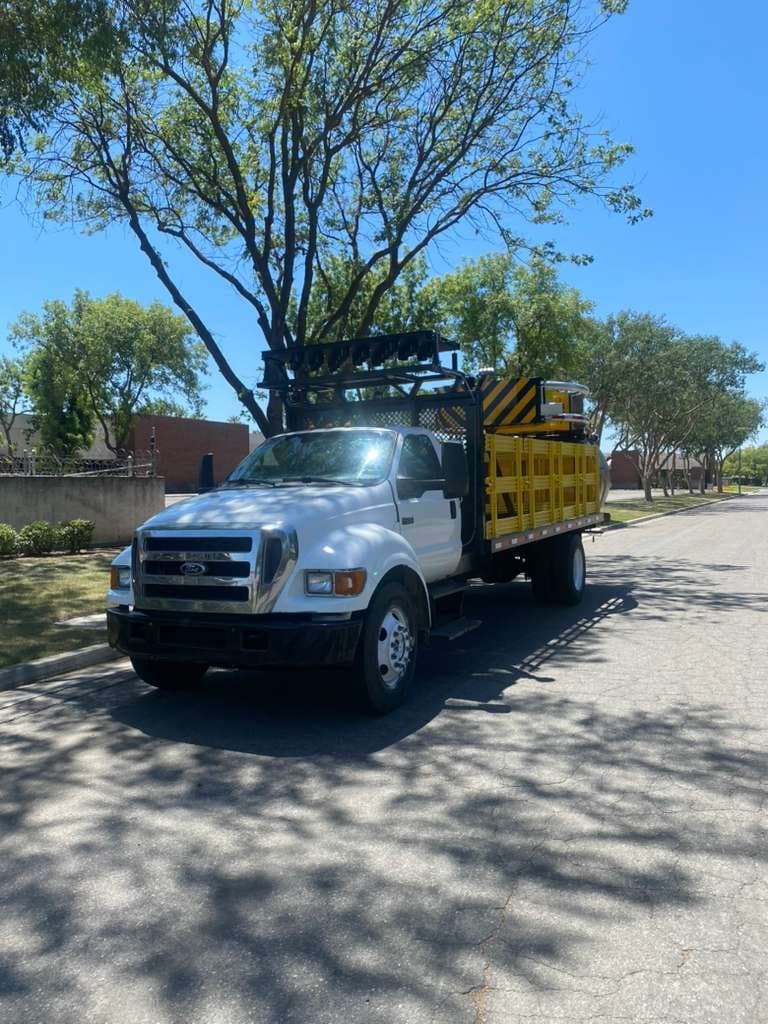
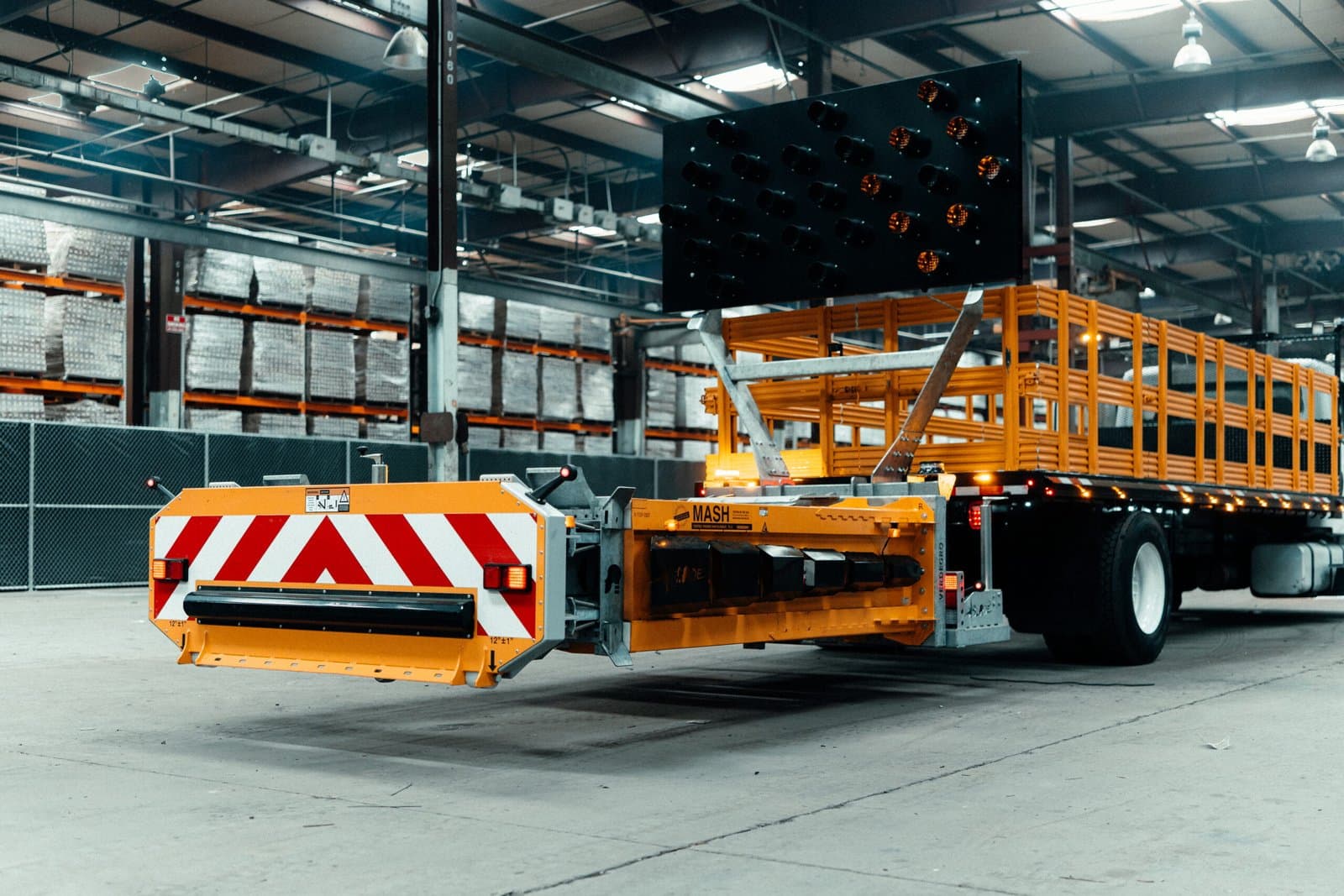
Whenever possible, pull the truck to a shoulder, a ramp, or a staging area with a buffer between the technician and live lanes. If the attenuator has to be swapped, remember that a unit transfers between compatible trucks in about 10 minutes, so bringing a spare host truck is often faster and safer than a roadside repair.
Keep protection in place while you work
- Keep a second protective vehicle or a working TMA between the technician and traffic.
- Run arrow boards and warning lights on the approach the entire time.
- Put every worker in high-visibility apparel and hold a quick tailgate briefing.
- Never stand in the coffin corner or directly behind a raised attenuator during service.
If a safe repair setup is not possible on site, take the truck to a shop. A short delay beats a technician working inches from freeway speed traffic.
Need a truck spec'd or serviced?
Tell us the job and we'll help — to buy, rent, or lease.