Understanding Crash Cushions: How They Save Lives on the Road
Crash cushions and truck-mounted attenuators do the same core job in different settings. Here is how the energy-absorbing idea actually protects people.
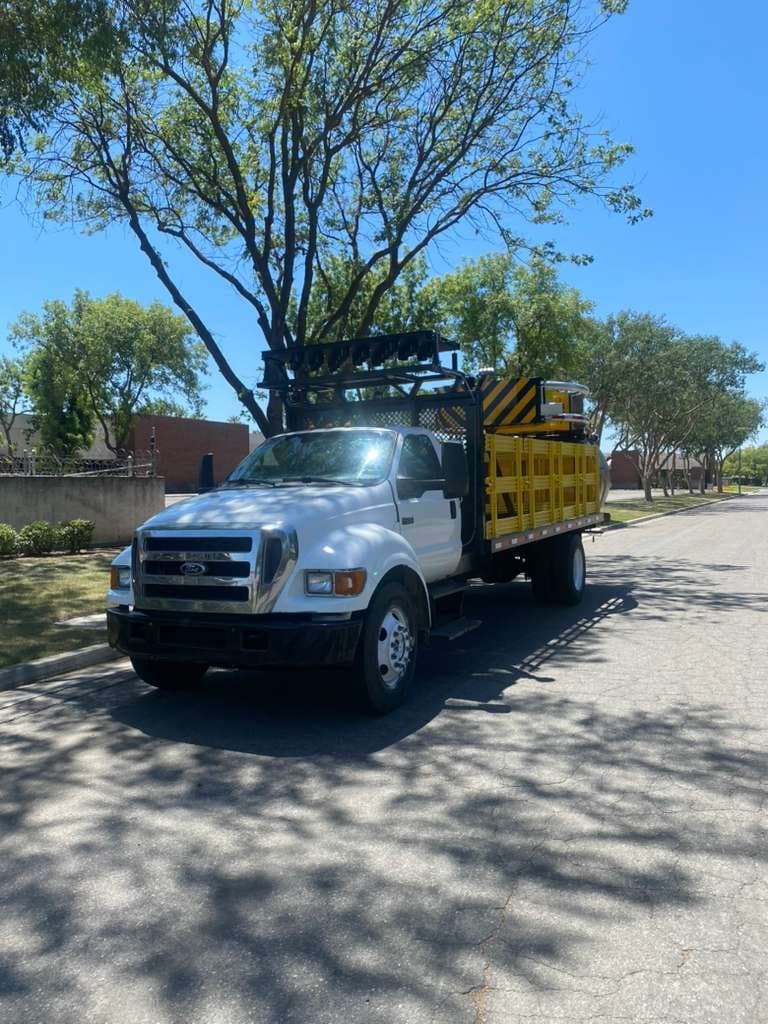
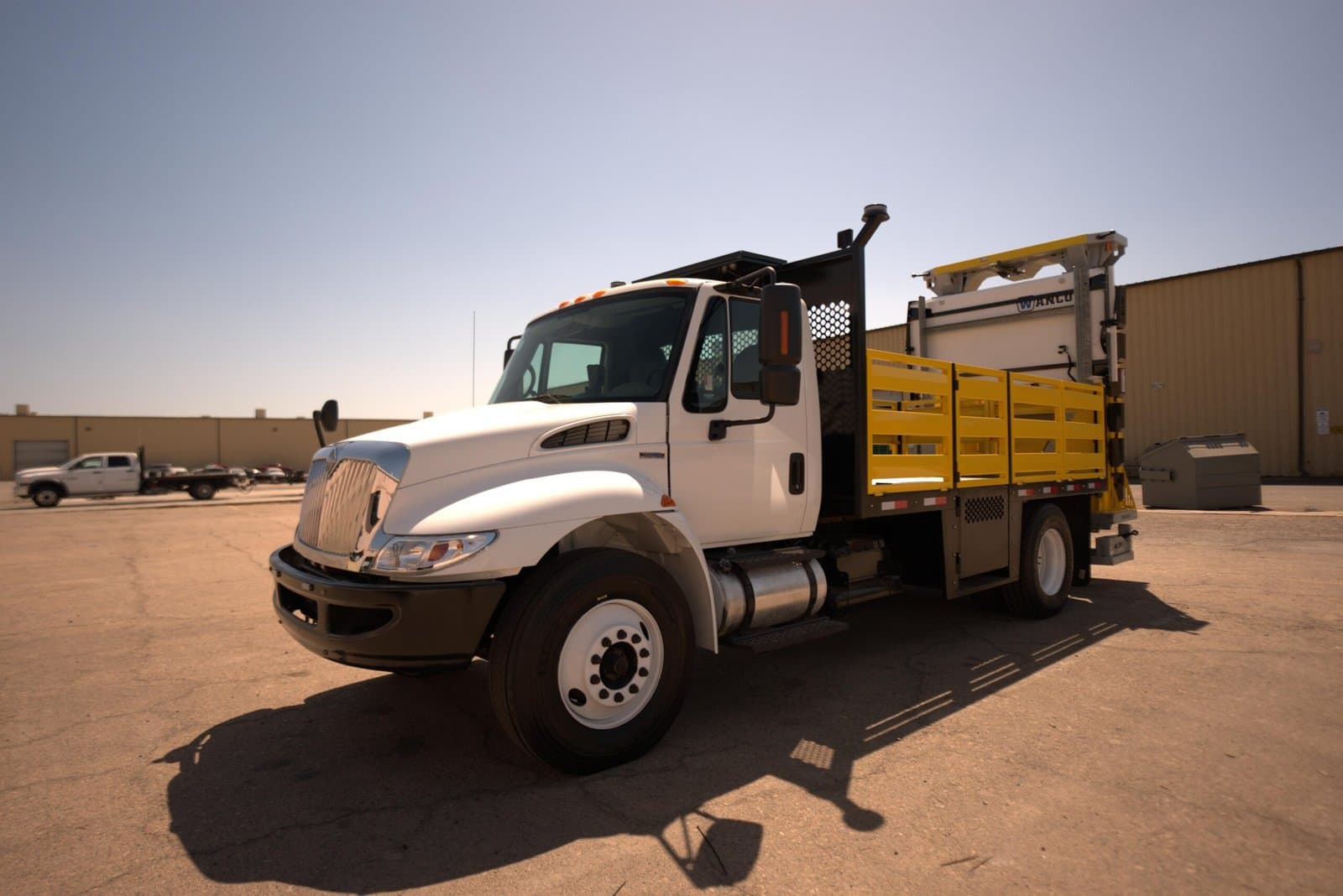
A crash cushion sits between a moving vehicle and something unforgiving, a bridge pier, a barrier end, or a work crew, and turns a sudden stop into a survivable one. A truck-mounted attenuator is the mobile version of the same principle, carried on the back of a shadow vehicle.
Absorb or redirect
There are two ways a cushion protects the driver who hits it. A head-on impact is absorbed as the structure crumples and slows the vehicle over distance instead of all at once. A glancing impact is redirected, steering the vehicle back toward its own path. A TMA does both, and it also steers the errant vehicle away from the coffin corner near the truck cab so the crew ahead stays out of the collision.
Why the truck weight matters
- The host truck runs at roughly 26,000 lb GVWR or more so it does not roll forward on impact.
- That weight keeps the errant vehicle from sliding underneath the truck.
- MASH 2016 sets the crash energy the system must handle, near 62 mph for a TL-3 unit.
The math is simple: spreading a stop over a few extra feet drops the forces on the human body enough to turn a fatal crash into a walk-away one.
Need a truck spec'd or serviced?
Tell us the job and we'll help — to buy, rent, or lease.