Standards for Attenuator, Crash, and Cone Trucks
Crash trucks, cone trucks, and attenuator trucks all support work zones but answer to different requirements. Here is how the standards apply across them.
Work zones rely on a few different support vehicles, and they are not held to the same rules. An attenuator truck is a safety device with crash-test requirements. A cone truck is a work vehicle. Knowing which standards apply to which keeps your fleet compliant without over- or under-spec'ing.
The roles, sorted out
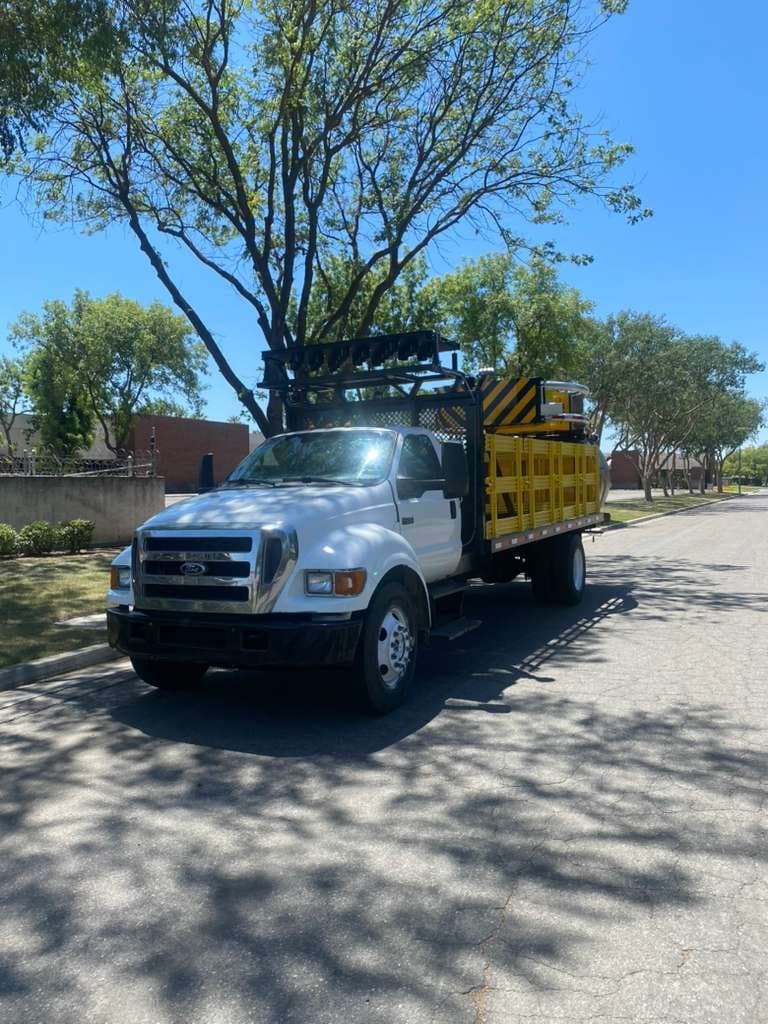
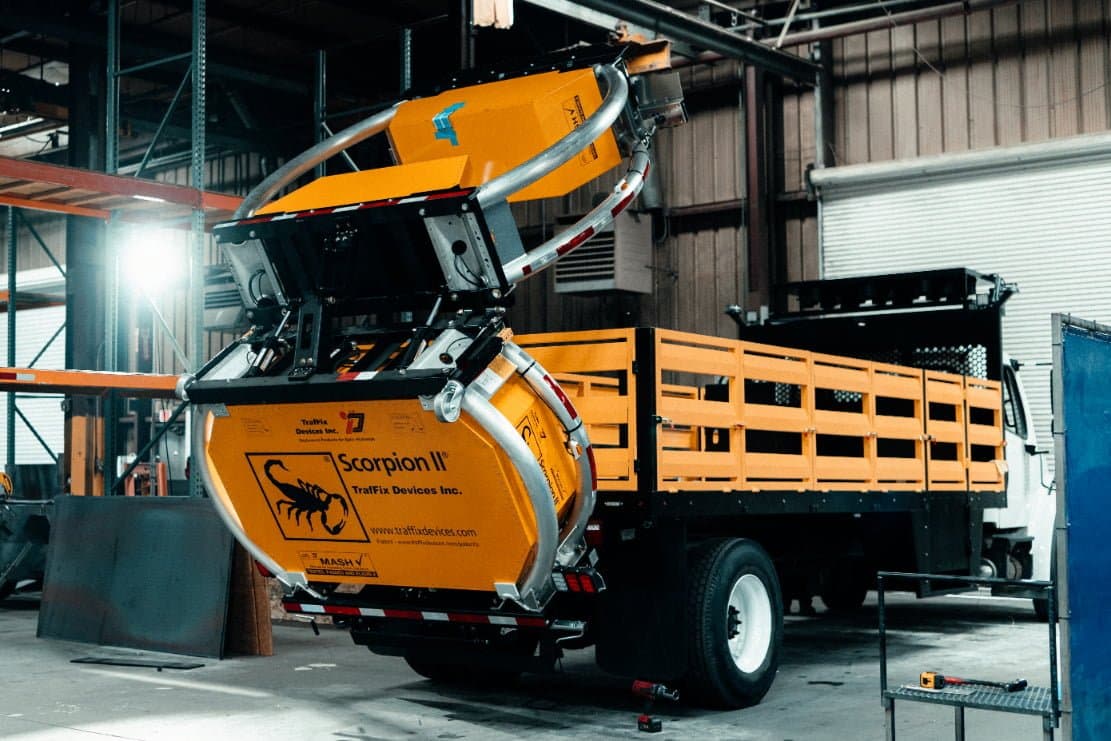
- Attenuator or crash truck: parks as a shadow vehicle and absorbs impacts; must meet MASH 2016 with an FHWA Eligibility Letter.
- Cone truck: deploys and retrieves channelizing devices; a work vehicle rather than a rated crash device.
- Combination setups: a crash truck often carries an arrow board so it signals and protects at once.
What the crash-rated units require
For anything acting as an attenuator, the standard is clear: MASH 2016 compliance, the right test level for the road speed, and a truck plus payload near 26,000 lb GVWR to prevent underride. Non-MASH-2016 units built before January 1, 2023 have to be retired by January 1, 2030. Cone trucks do not carry the same crash rating, but they still need proper signage and safe operation within the zone.
Do not treat a cone truck as a substitute for an attenuator. Only a MASH-compliant crash truck is built to take the hit and protect the crew.
Need a truck spec'd or serviced?
Tell us the job and we'll help — to buy, rent, or lease.