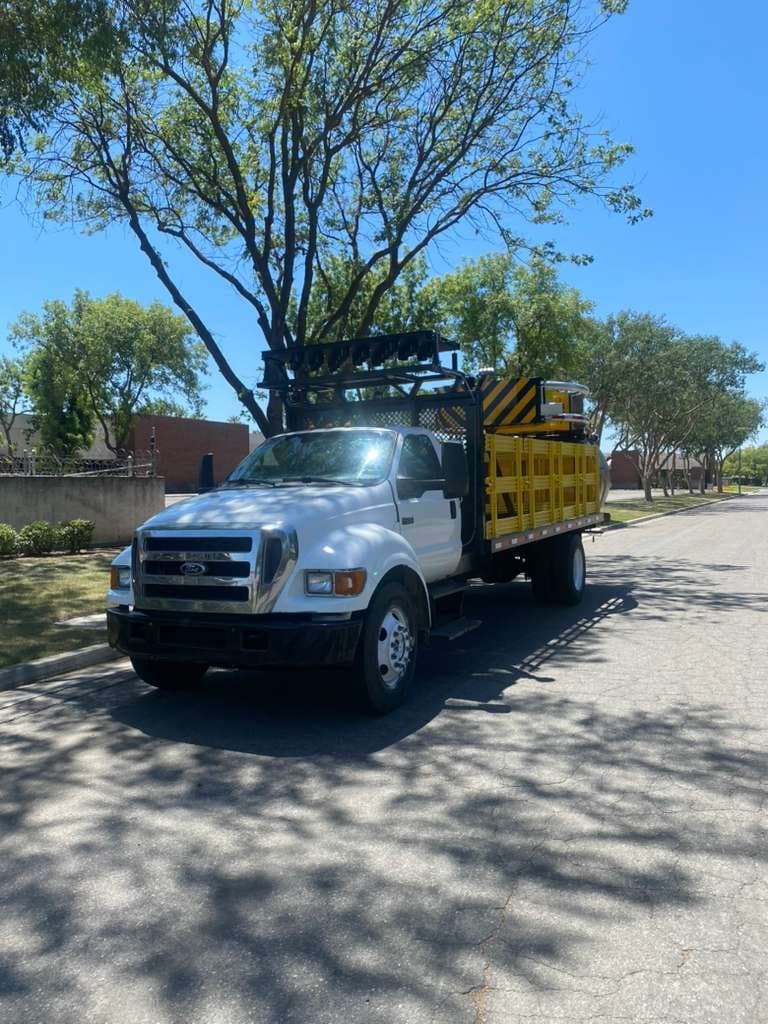
Texas-Specific Challenges for TMA Repairs and Maintenance
Heat, dust, and long highway runs put a particular kind of wear on truck-mounted attenuators. Here is what Texas conditions do to the hardware and how it changes a maintenance plan.
TMAs are built to a national standard, but they age differently depending on where they work. A unit running summer jobs across North Texas sees stresses that a coastal or mountain fleet never encounters.
Heat and hydraulics
Hydraulic systems raise the attenuator from stowed to deployed in about 20 seconds. High ambient heat thins fluid and hardens seals over time. In Texas summers, that means seal inspection and fluid checks should move up the priority list, not sit at the bottom of an annual list.
Dust, debris, and lighting
- Road dust works into pivot points and hydraulic fittings, so grease intervals matter more here.
- Arrow board and message board lamps face constant vibration on long highway runs; loose connections show up as dead lamps.
- Reflective and marking surfaces fade faster under sustained UV exposure and need periodic checks.
A pre-2023 unit that was never MASH 2016 compliant has to be off the road by January 1, 2030. Texas fleets should plan replacement or upgrade well before that deadline rather than at it.
None of this changes the fundamentals. It shifts the schedule. Equipment that lives in Texas conditions earns more frequent attention to fluids, seals, and lamps than the manufacturer minimum.
Need a truck spec'd or serviced?
Tell us the job and we'll help — to buy, rent, or lease.