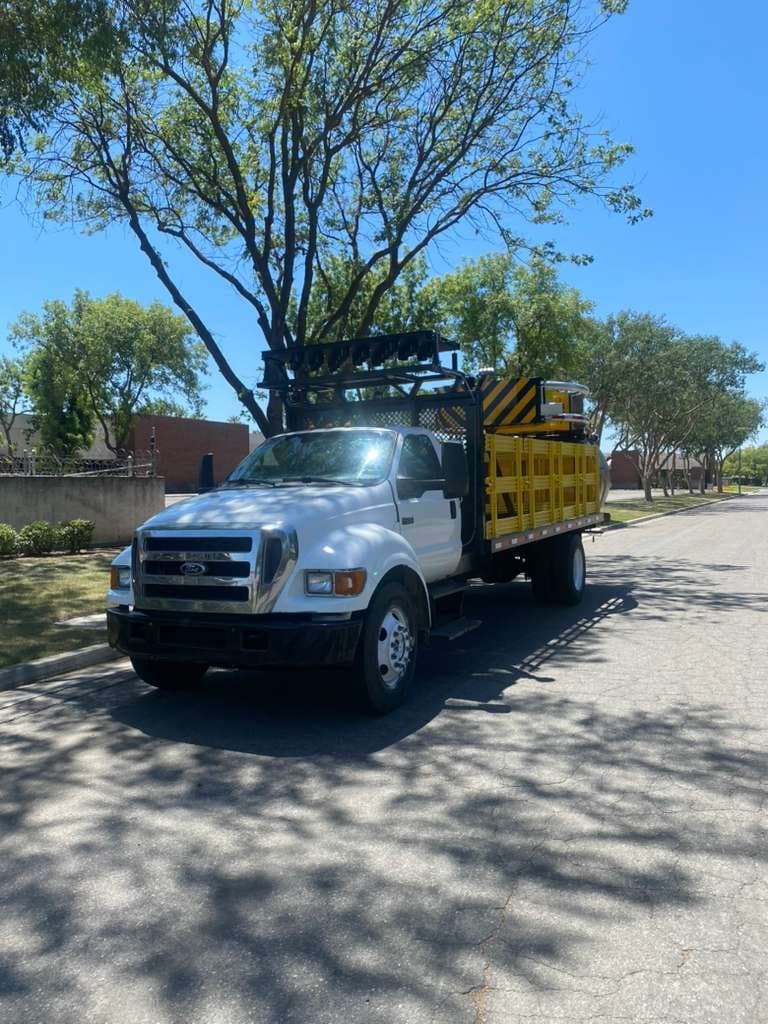

KPIs for Measuring TMA Repair Effectiveness in Texas
If you run a fleet of attenuator trucks, a few simple metrics tell you whether your repair program is working or quietly costing you.
Repairs are easy to treat as one-off expenses. Tracked as data, they show patterns that help a Texas fleet manager cut downtime and spend smarter. You do not need a complicated dashboard. A handful of numbers per truck does the job.
Metrics worth tracking
- Turnaround time: hours or days from a truck going down to returning to service.
- Downtime per incident: how long each attenuator sits idle after a strike.
- Repair cost per incident, split between parts and labor.
- Re-certification pass rate on the first inspection.
- Repeat failures on the same unit within a set window.
Reading the numbers
Long turnaround usually points to a parts supply problem or a shop that is not set up for attenuators. Repeat failures on one truck often mean an earlier repair missed hidden frame or hydraulic damage. Rising cost per incident can signal that older units are near the end of their service life and should be replaced rather than patched again.
One number worth watching above the rest: fleet availability. If you cannot field enough compliant trucks to cover your closures, the repair program is failing regardless of how cheap each individual fix looks.
- What is a reasonable repair turnaround target?
- It depends on parts availability and shop capacity. Working with a service center that stocks the right components keeps turnaround short.
- Should a bridge unit be part of the plan?
- Yes. Renting a TMA while yours is in the shop keeps closures covered and protects your availability metric.
Need a truck spec'd or serviced?
Tell us the job and we'll help — to buy, rent, or lease.