How FD Blockers Prevent Accidents and Improve Work-Zone Safety
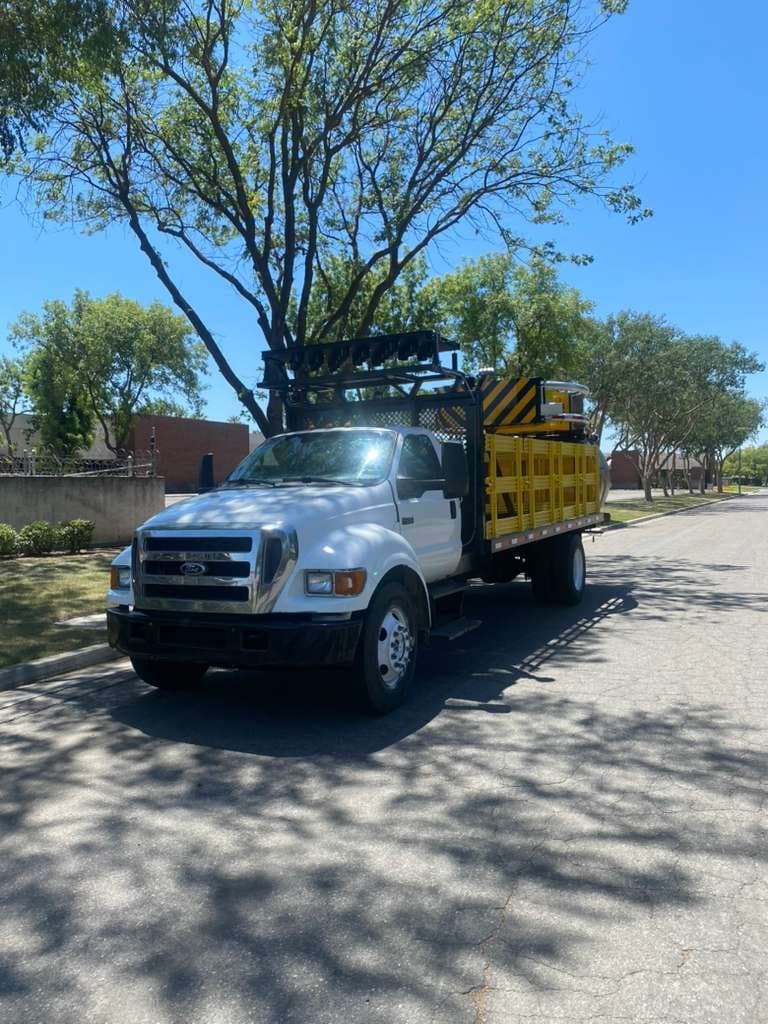
FD blockers put a rated barrier between traffic and the responders working an incident scene. They extend attenuator protection beyond planned work zones.
Incident scenes are some of the most dangerous places on a highway. Responders work in the open, often at night, with traffic still moving past. FD blockers give them the same kind of protection a TMA gives a work crew: a rated barrier that absorbs an errant vehicle instead of the people behind it.
What a blocker protects against
- Distracted or impaired drivers approaching a scene at speed.
- Secondary crashes, where traffic reacting to the first incident causes another.
- The exposure of firefighters, medics, and police working in live lanes.
Part of a larger setup
A blocker does its best work alongside clear signaling. Arrow boards and message boards warn drivers early; the blocker stands as the last line if a warning is missed. Positioned upstream of the scene, it absorbs the hit and keeps the errant vehicle out of the work area, buying responders the space they need.
Because incident response is unplanned, blockers have to be ready every time. That makes scheduled inspection and re-certification a core part of any response fleet.
Need a truck spec'd or serviced?
Tell us the job and we'll help — to buy, rent, or lease.