Roadside TMA Trucks: Setting Up the Shadow Vehicle
A roadside TMA truck only protects the crew if it is positioned and deployed correctly. This walks through deployment timing, speed limits, and the transfer that gets an attenuator on the road.
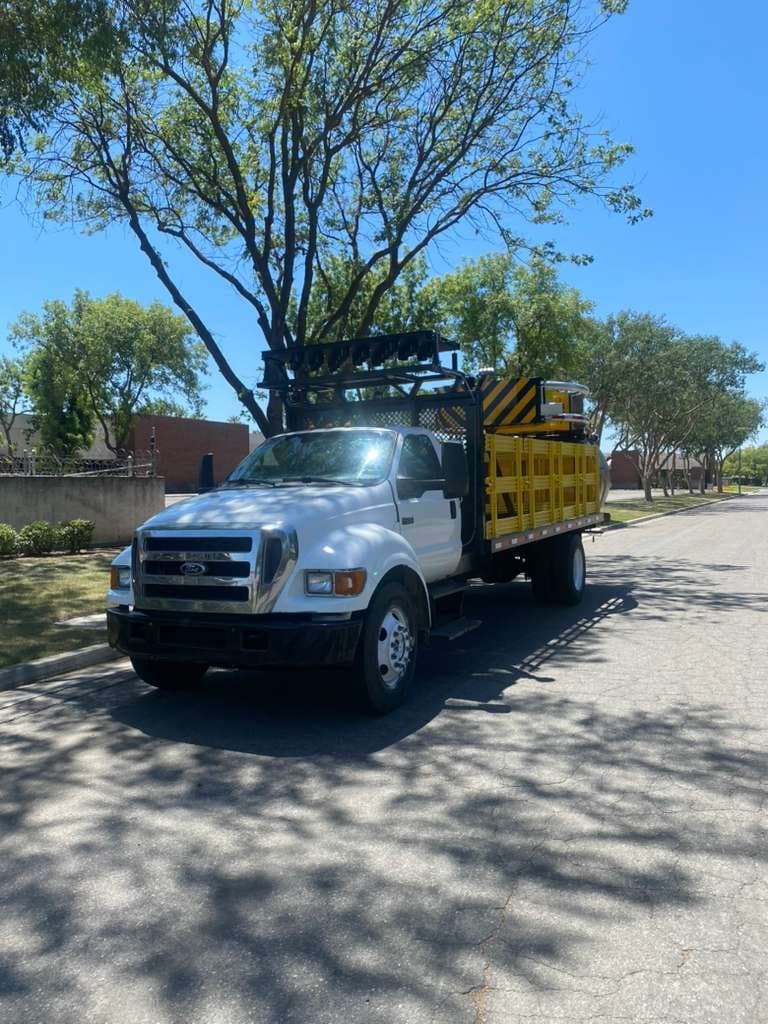
Roadside TMA trucks are the last line of defense on a live closure. The truck sits as a shadow vehicle behind the crew, and if a driver fails to merge or slow, the attenuator takes the hit. Verdegro and other heavy-duty makers build the hardware, but the protection depends on how the operator sets it up on the shoulder or lane.
Deployment and speed basics
The attenuator deploys from travel position to protective position in about 20 seconds. Once staged, the truck holds position behind the crew. These units travel at road speed up to 50 mph between sites, and a full transfer of the attenuator takes roughly 10 minutes when moving it between chassis.
- Deploys from stowed to protective position in about 20 seconds
- Drives to and from the site at speeds up to 50 mph
- A between-chassis transfer runs about 10 minutes
- An optional crash test to 70 mph is available on some configurations
Positioning behind the crew
Distance matters. The truck needs enough roll-ahead space so that when it is struck it does not get pushed into the workers, but not so much gap that traffic treats the lane as open. Follow your agency's spacing tables and confirm the arrow board or message board is running before the crew steps out.
Positioning and roll-ahead distance are agency-specific. Check your traffic control plan and MUTCD guidance for the posted speed before every setup.
Need a truck spec'd or serviced?
Tell us the job and we'll help — to buy, rent, or lease.