Why Expert Repairs Decide Whether a TMA Still Protects
A crash truck that has been hit is only as good as its repair. Here is what proper repair and MASH re-certification involve, and why they are not optional.
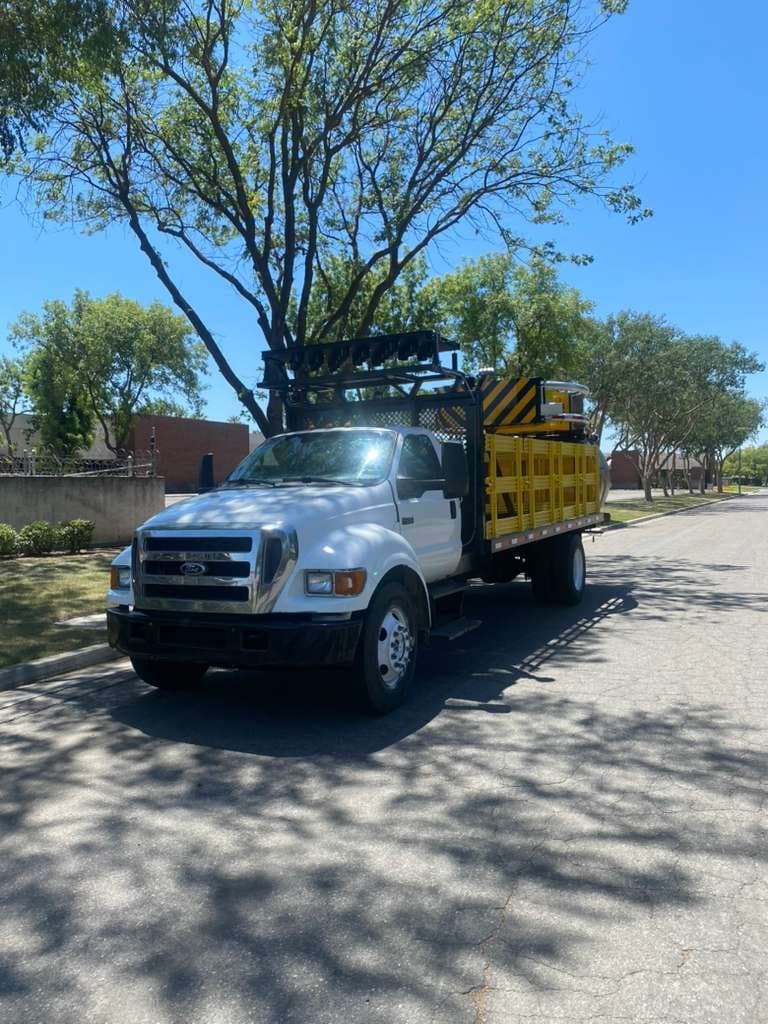
After an attenuator takes an impact, it has done exactly what it was built to do. What happens next decides whether it can do it again. A proper repair restores the unit to its rated performance; a shortcut leaves you with a truck that looks fine and fails at the next hit.
What a proper repair covers
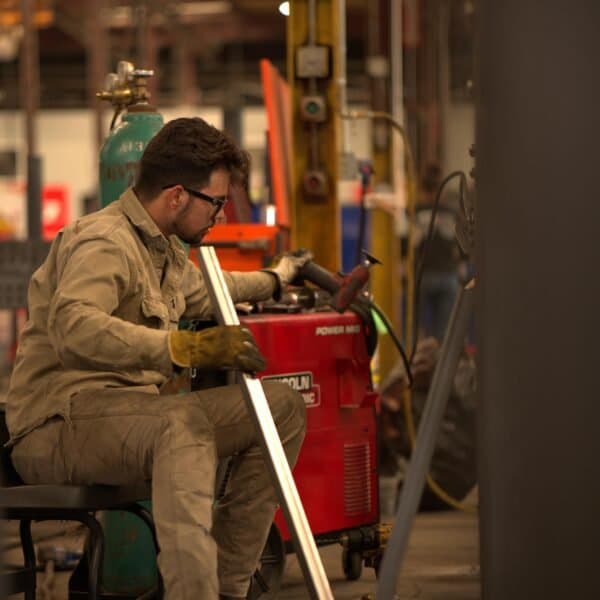
- Full inspection of the energy-absorption structure, mounting, and truck for hidden damage.
- Replacement of crumpled or spent components, whether blades on a Blade TMA or absorption elements on a non-blade system.
- Verification that the deployment mechanism still cycles correctly in about 20 seconds.
- MASH re-certification so the unit is legally and functionally ready to return to service.
Why re-certification matters
Re-certification is not paperwork for its own sake. It is confirmation that the repaired unit meets the same MASH standard it did new. Sending an un-recertified unit back to work means the next crew is trusting a device no one confirmed is still fit for the job. Use a service provider who can inspect, repair, and re-certify under one roof so nothing falls through the gap.
Keep repair and re-certification records with the truck. They are your proof the unit is compliant and your defense if an impact is ever questioned.
Need a truck spec'd or serviced?
Tell us the job and we'll help — to buy, rent, or lease.