Buying a Crash Truck: The Safety Features That Actually Matter
Not every spec on a TMA build matters equally. Here are the features worth checking before you sign, from MASH eligibility to GVWR to deployment time.
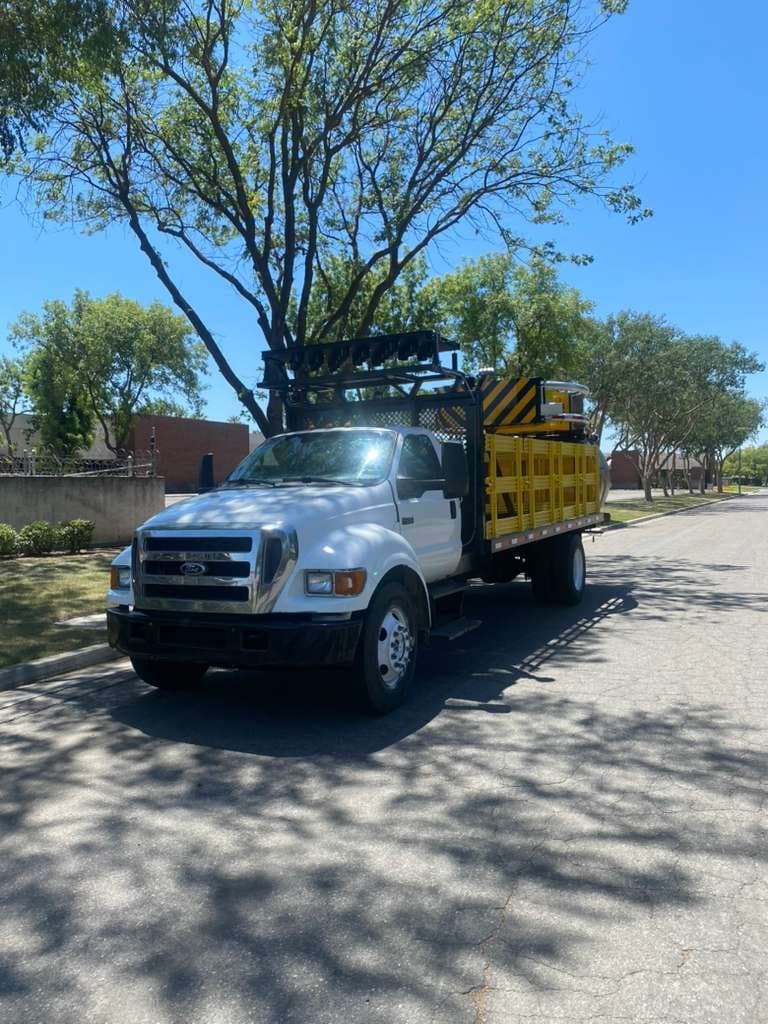
A crash truck is a piece of safety equipment first and a vehicle second. When you spec your next one, the details that protect your crew should drive the decision, not the trim. Here is what to check before you commit.
Non-negotiable specs
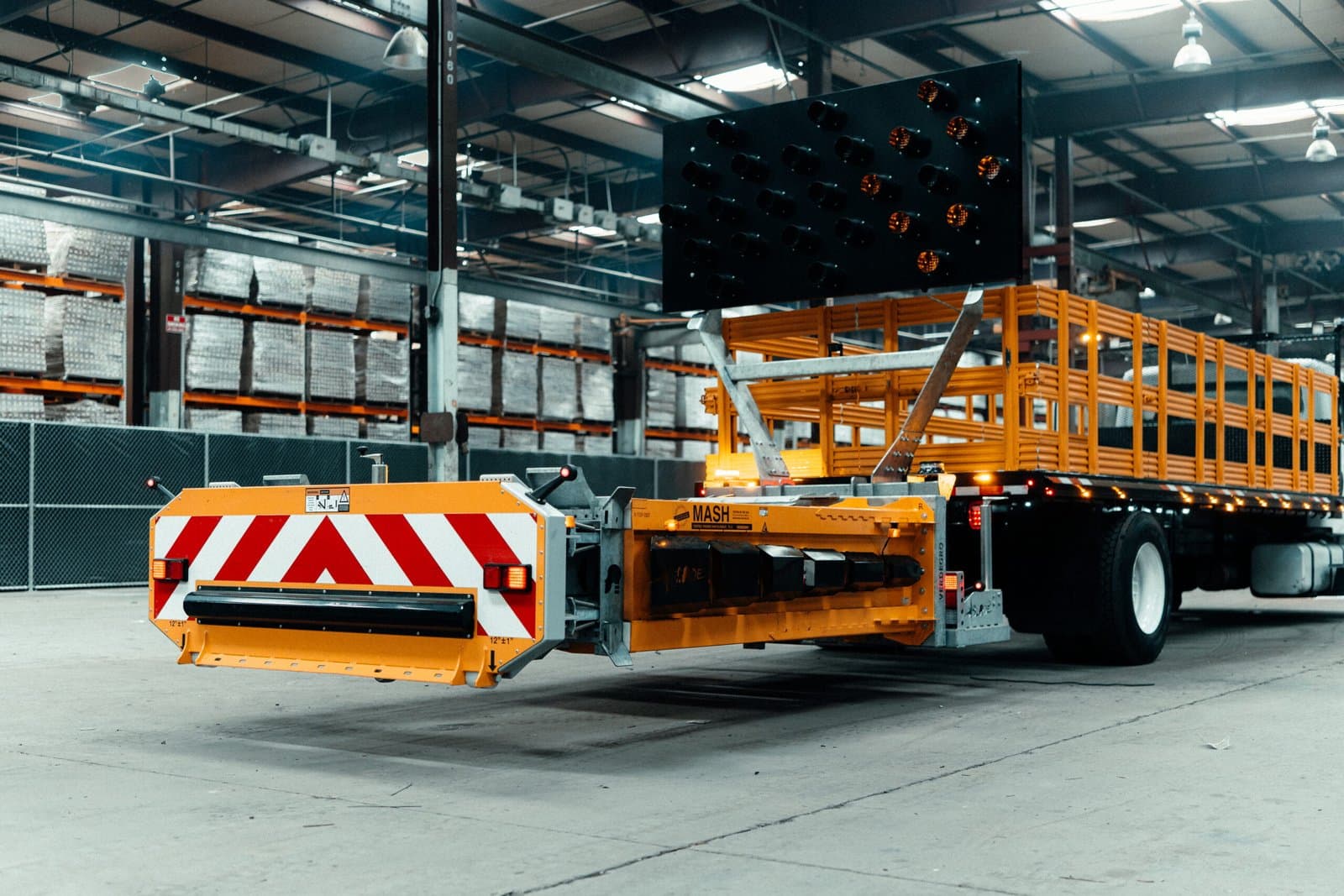
- MASH 2016 compliance with a current FHWA Hardware Eligibility Letter for the attenuator.
- The right test level: TL-2 for work zones at 45 mph or below, TL-3 where speeds hit 50 mph and up.
- A truck plus payload at roughly 26,000 lb GVWR or more, so the mass prevents the impacting vehicle from underriding the truck.
- A deployment mechanism that goes from travel to protect in about 20 seconds.
Features that make the truck easier to live with
Beyond the crash rating, look at how the unit fits your operation. An attenuator that transfers between trucks in around ten minutes lets you keep one energy-absorption system working across a fleet. A well-integrated arrow board, in 15- or 25-lamp configuration, means one less thing to mount and wire. Ask about lead time too, because a truck you cannot get for six months does not protect anyone.
Ask to see the Eligibility Letter for the exact attenuator model on your build, not a similar one. The letter is model-specific and is what agencies check.
- Is a heavier truck always safer?
- Up to a point. You need enough mass to stop underride, which is why the roughly 26,000 lb GVWR target exists. Going far beyond it adds cost and wear without adding much protection.
- Do I need TL-3 if my crews mostly work slow zones?
- If any of your zones run at 50 mph or higher, spec TL-3. One truck rated for the faster work covers both, so most fleets standardize on TL-3.
Need a truck spec'd or serviced?
Tell us the job and we'll help — to buy, rent, or lease.