Common Arrow Board Deployment Errors and How to Avoid Them
An arrow board only works if drivers can read it in time to react. Small mistakes in placement, mode, and brightness undercut that. Here are the ones crews make most.
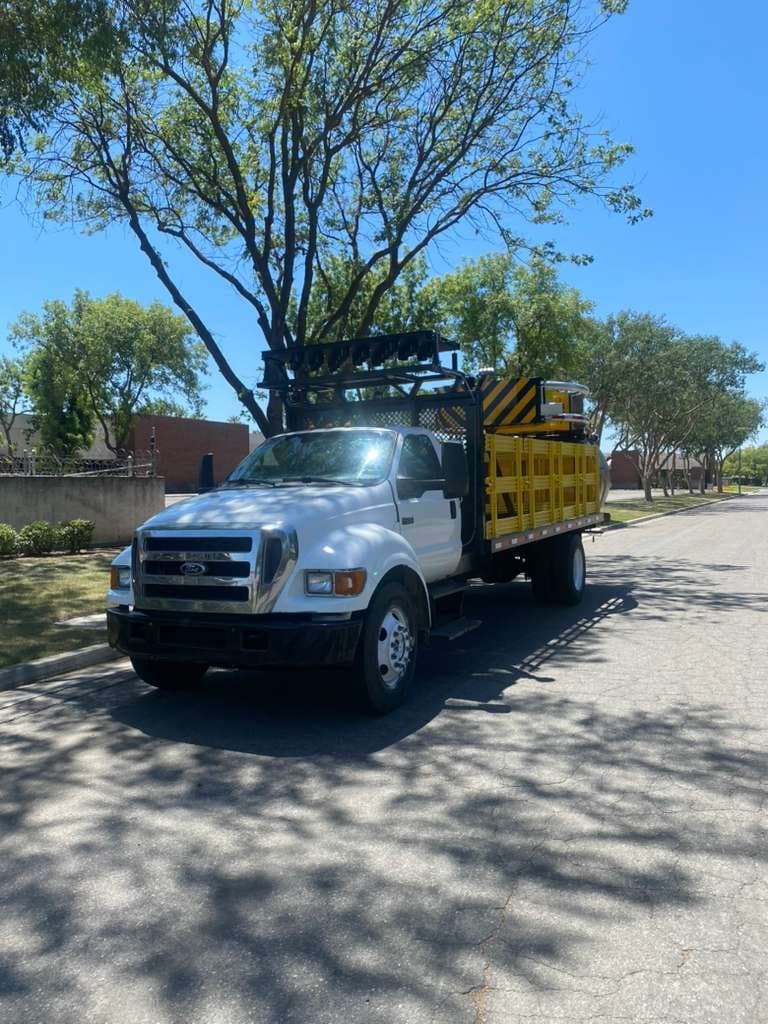
Arrow boards come in 15-lamp and 25-lamp configurations, and both do the same job: tell approaching drivers which way to move. The board is only as good as its placement and setup, and that is where errors creep in.
Placement and timing
- Deploying too close to the work zone leaves drivers no room to merge safely at highway speed.
- Blocking the board with the truck body or another vehicle so approaching traffic sees it late.
- Leaving a board in caution or four-corner mode when a directional arrow is what the lane closure calls for.
Brightness and maintenance
A board set too dim washes out in daylight; one left too bright can dazzle at night. Match the mode to conditions. Dead lamps are the other silent failure. A board missing a few lamps can display an ambiguous pattern, so lamp checks belong in the pre-shift routine, not the monthly one.
Before every shift, confirm the board powers on, shows the correct pattern, and has no dead lamps. Thirty seconds of checking prevents a misread arrow at 65 mph.
Need a truck spec'd or serviced?
Tell us the job and we'll help — to buy, rent, or lease.