How a TMA Truck Actually Protects a Work Crew
The truck exists to take a hit so a person does not. Understanding how it absorbs an errant vehicle explains why placement and compliance are not optional.
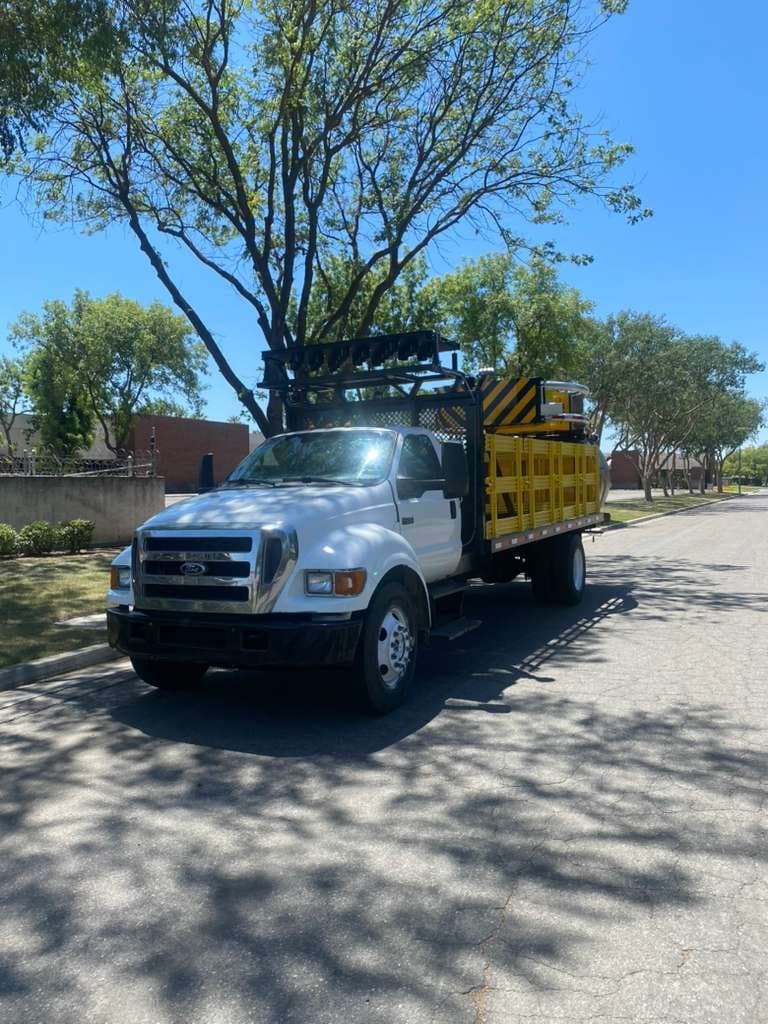
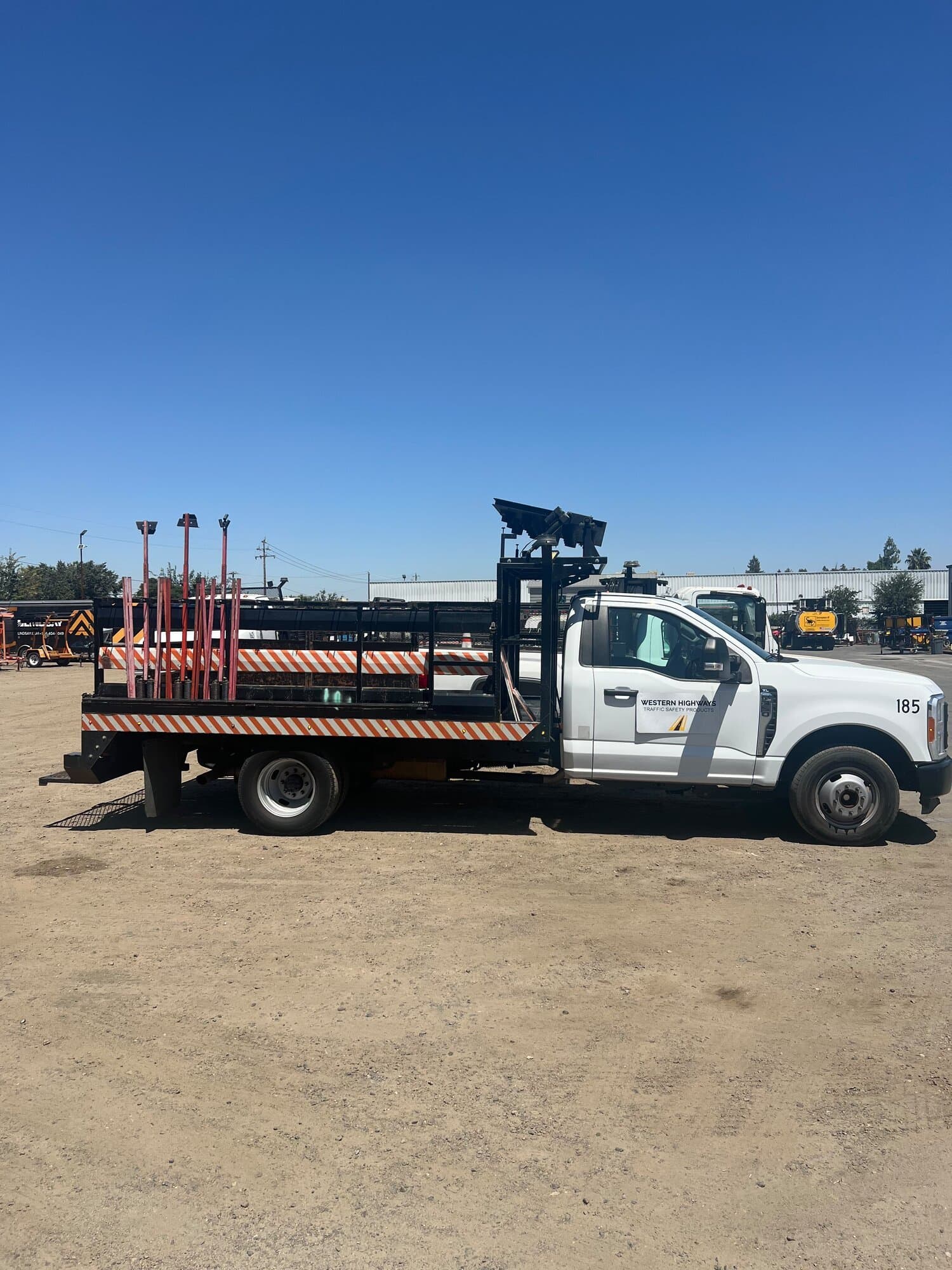
A truck-mounted attenuator does one job, and it does it violently. It parks as a shadow vehicle behind the crew and stands between traffic and the people working the lane. When a driver drifts in, the truck absorbs the impact instead of the workers.
What happens on impact
The attenuator crushes in a controlled way, bleeding off the errant vehicle's energy and steering it away from the cab's coffin corner, the spot where the driver sits. On a Blade unit, 12 crumpling blades collapse in sequence to soak up the energy. The point is to slow the vehicle and redirect it rather than stop it dead, which would be its own kind of crash.
Why placement and weight matter
- The truck sits as a buffer between traffic and the crew, not in the work area itself
- A GVWR at or above roughly 26,000 lb keeps the striking vehicle from riding under the truck
- The attenuator has to be rated for the road's speed, TL-2 up to 45 mph, TL-3 at 50 mph and above
Get any of those wrong and the truck stops protecting the crew. Too light, and the vehicle underrides. Wrong test level, and the attenuator is not built for the speed it will see.
The shadow vehicle is meant to be hit. That is the design, not a failure. What matters is that the truck, not a worker, takes the impact.
Need a truck spec'd or serviced?
Tell us the job and we'll help — to buy, rent, or lease.