What Does a Scorpion Truck Do? A Guide to Crash Attenuator Trucks
A crash attenuator truck exists to take a hit so a work crew does not. This guide explains how the truck works, how it deploys, and what the ratings mean.
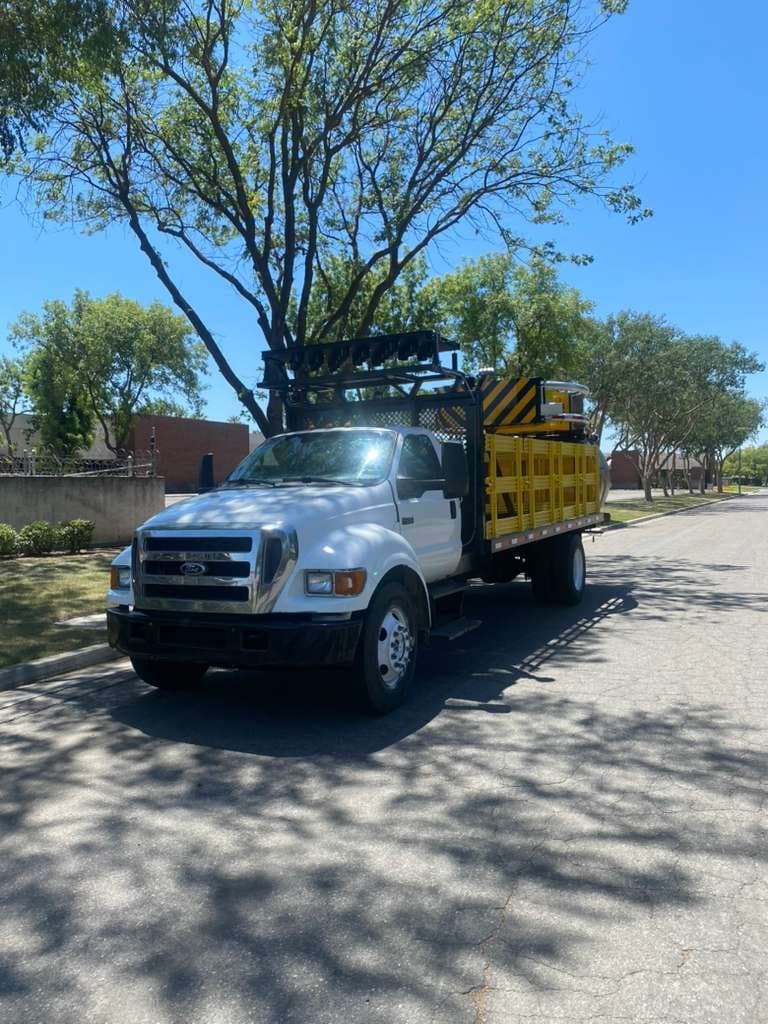
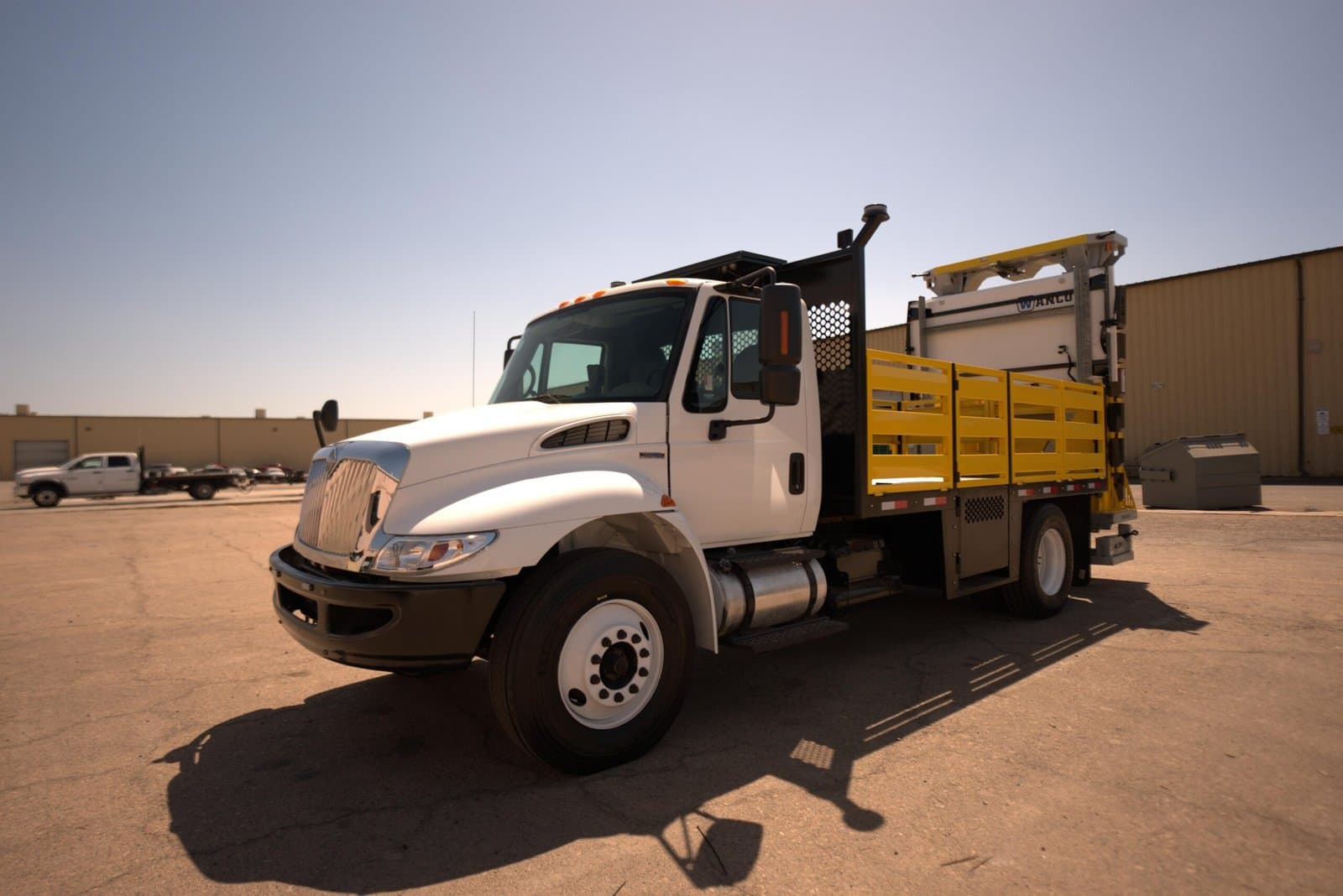
A crash attenuator truck, often called a TMA or a Scorpion truck, has one purpose: absorb the impact of an errant vehicle so the work crew ahead stays safe. It parks as a shadow vehicle behind the crew and stands in as the buffer between traffic and people.
How it works
The attenuator mounts at the rear of the truck. When a vehicle hits it, the device absorbs the energy and steers the impact away from the coffin corner of the cab, protecting both the errant driver and the crew. The truck itself, at roughly 26,000 lb GVWR or more, provides the mass that keeps the striking vehicle from riding underneath.
Deployment and operation
- The attenuator deploys from stowed to protecting position in about 20 seconds.
- The truck can run at highway speeds up to 50 mph for mobile operations.
- Transferring the attenuator between trucks takes roughly 10 minutes.
Ratings in plain terms
Crash ratings tell you what speed a device is tested for. TL-2 covers work at 45 mph and below; TL-3 covers 50 mph and above, with a crash test near 62 mph. A device that passes its MASH 2016 crash test earns an FHWA eligibility letter, the document agencies look for when specifying equipment.
- Why is it called a Scorpion truck?
- Scorpion is a line of attenuators from TrafFix Devices. A truck fitted with one is often called a Scorpion truck.
- Does the truck drive during operation?
- It can. Mobile operations use the truck as a moving buffer at speeds up to 50 mph, while stationary work uses it parked behind the crew.
Need a truck spec'd or serviced?
Tell us the job and we'll help — to buy, rent, or lease.