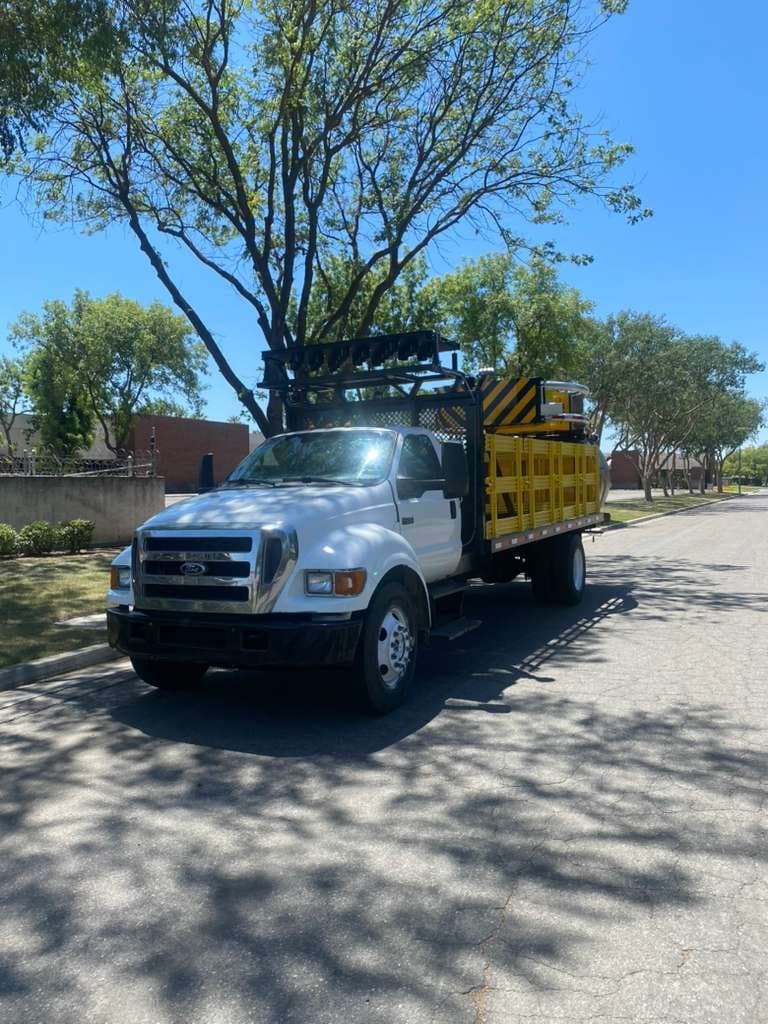

How to Identify When Your TMA Needs Professional Repair
Not every problem shows up as a crumpled cartridge. Learn the warning signs that mean a TMA should come off the road before its next shift.
A TMA earns its keep in the seconds after a driver loses control. If it is compromised before that moment, nobody knows until it is too late. A short pre-shift walkaround catches most issues, but some damage needs a trained eye and the right shop.
Signs you can spot in the yard
- Visible deformation, cracks, or missing sections on the cartridges or blades.
- The attenuator does not lower or raise smoothly, or drifts once deployed.
- Hydraulic fluid leaks under the truck or slow, uneven movement.
- Loose, bent, or corroded mounting hardware at the frame.
- Warning lights, the arrow board, or the message board not working correctly.
When to stop guessing and call a shop
Any strike, even a minor one, is a reason for a professional inspection. Cartridges are engineered to crumple once. After that they need replacement, not straightening. The same goes for the frame. If the truck was rear-ended at low speed and the attenuator looks fine, have it checked anyway, because the load path runs through hardware you cannot see from the ground.
- Can a crew fix a crumpled cartridge in the field?
- No. Crash cartridges are single-use components and must be replaced with the correct parts, then the unit re-certified.
- How often should a TMA be inspected?
- Do a walkaround before each shift and a full professional inspection after any impact or on the schedule your maintenance program sets.
Need a truck spec'd or serviced?
Tell us the job and we'll help — to buy, rent, or lease.