
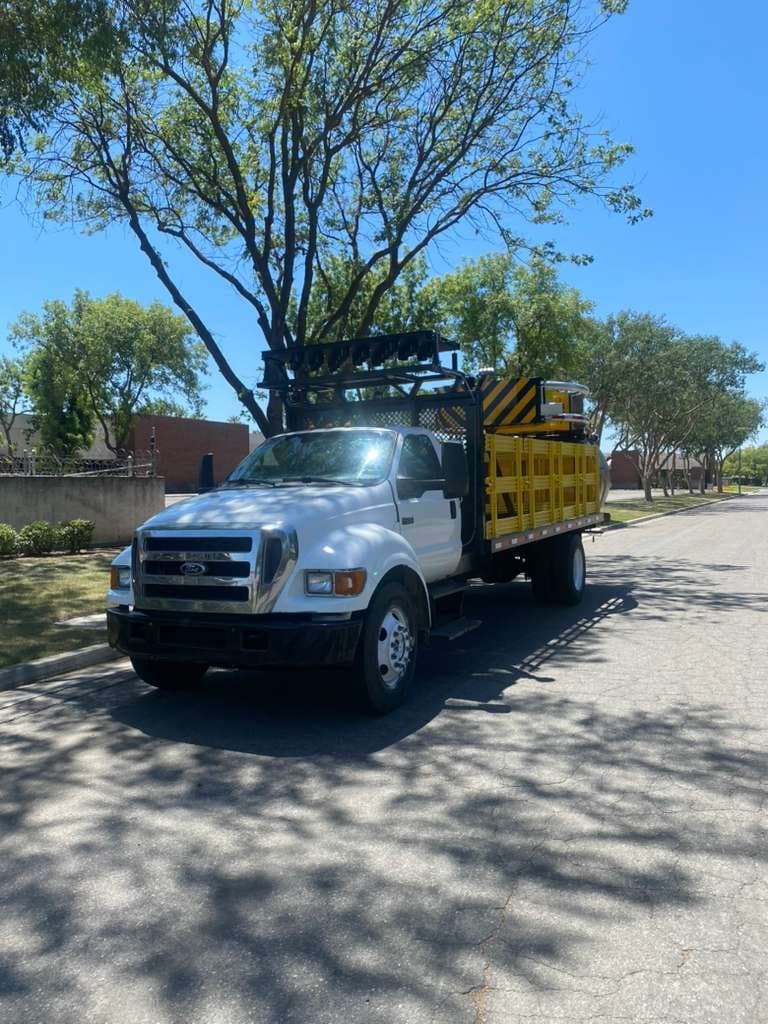
Storing a TMA Fleet to Maximize Longevity
How you store attenuator trucks between jobs affects how long they last and how ready they are when work picks up again. A few habits keep an idle fleet from quietly deteriorating.
Seasonal fleets spend real time parked. Trucks that sit still do not stop aging, they just age in ways that are easy to ignore. Batteries drain, seals dry out, and hydraulics settle. Good storage habits mean the fleet comes back ready instead of needing a round of repairs before the first job.
Prep before the trucks sit
- Wash off road salt and grime before parking, especially at seals and grounds
- Top off or maintain batteries so they do not sit dead
- Store under cover where you can, to spare boards and lenses from UV and weather
- Cycle the attenuator periodically so hydraulics and seals do not set
The attenuator is the part most worth exercising. A hydraulic system that never moves for months is more likely to deploy slowly or unevenly when it finally has to.
Track compliance while parked
A truck in storage still marches toward its next re-certification date and, for older units, the January 1, 2030 deadline for non-MASH-2016 equipment. Keep those dates in your records so a stored truck does not come out of the yard already out of compliance.
If storing and maintaining an idle fleet costs more than it is worth, renting during the busy season may be the cheaper path.
Need a truck spec'd or serviced?
Tell us the job and we'll help — to buy, rent, or lease.