How a Crash TMA Truck Absorbs an Impact
The whole point of a crash TMA truck is to trade metal for lives. Here is what happens in the seconds an errant vehicle strikes the attenuator, and why the crash test matters more than the brochure.
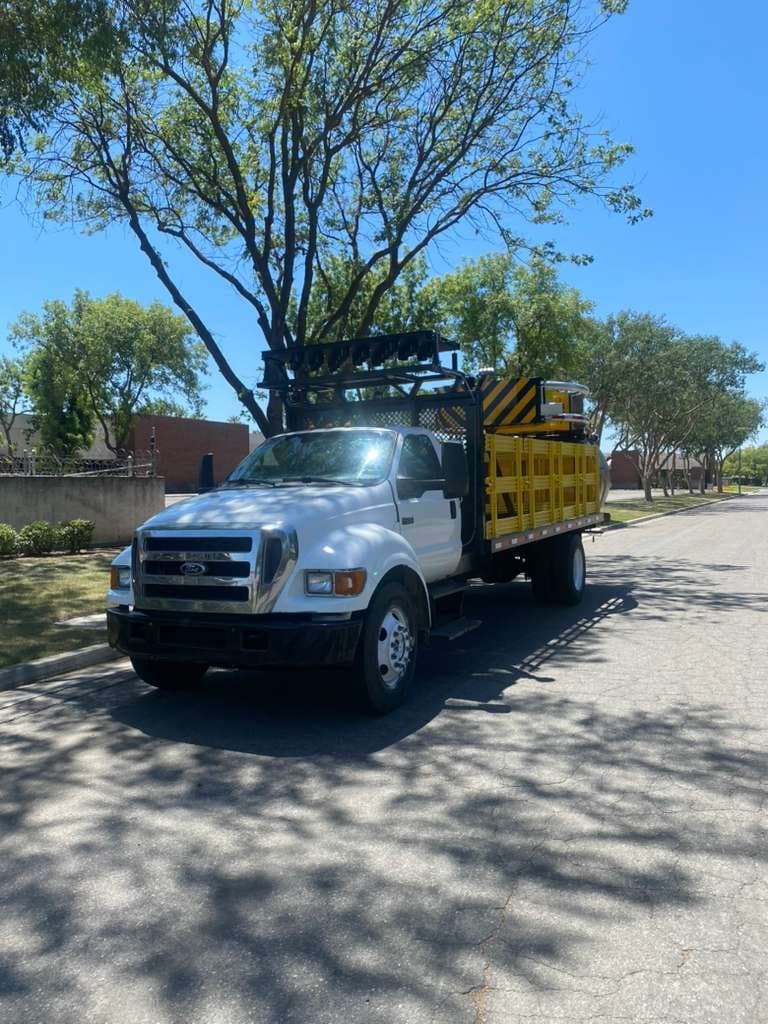
A crash TMA truck exists to do one job well: stop or redirect a vehicle that enters the work zone at speed. Manufacturers like Verdegro build attenuators for exactly this moment. The energy of the strike goes into the cushion, not the crew, and the driver of the errant vehicle has a far better chance of walking away.
The sequence of an impact
When a vehicle hits the attenuator, the cushion crushes progressively, spreading the deceleration over distance rather than a single hard stop. The host truck's mass keeps the whole assembly from being shoved into the crew. The cab is designed to route residual force out the coffin corner, so the operator is protected even in a direct rear strike.
- The cushion begins crushing on contact and decelerates the vehicle over its length
- Chassis mass resists rollahead so the truck does not lurch into the work area
- Impact energy is steered out the coffin corner, away from the cab occupant
- The attenuator is replaced or re-certified after a qualifying hit
Why the crash test is the real spec
MASH 2016 replaced the older NCHRP 350 standard, and a crash TMA truck earns its rating by surviving a live crash test, not by looking sturdy. TL-3 units are tested near 62 mph and cleared for 50 mph postings and above. Always confirm the FHWA eligibility letter for the exact attenuator on the truck you are buying or renting.
Need a truck spec'd or serviced?
Tell us the job and we'll help — to buy, rent, or lease.