MASH TL-2 vs TL-3: Which Do You Need?
MASH Test Level 2 or Test Level 3 comes down to one thing: the posted speed of your work zone. Here is how to spec the right TMA for the job.
The posted work-zone speed decides whether you need a TL-2 or a TL-3 attenuator. It is not a preference call. Spec below the required level and your setup is not compliant, no matter how good the truck looks.
The speed rule
- At 45 mph or less, either TL-2 or TL-3 is acceptable.
- At 50 mph and above, TL-3 is required.
- TL-3 units are crash-tested at roughly 62 mph.
Not sure which way a job will go? Spec TL-3. It covers every work zone up to and past the TL-2 range, so the truck stays legal if you redeploy it to a faster road.
The truck weight matters too
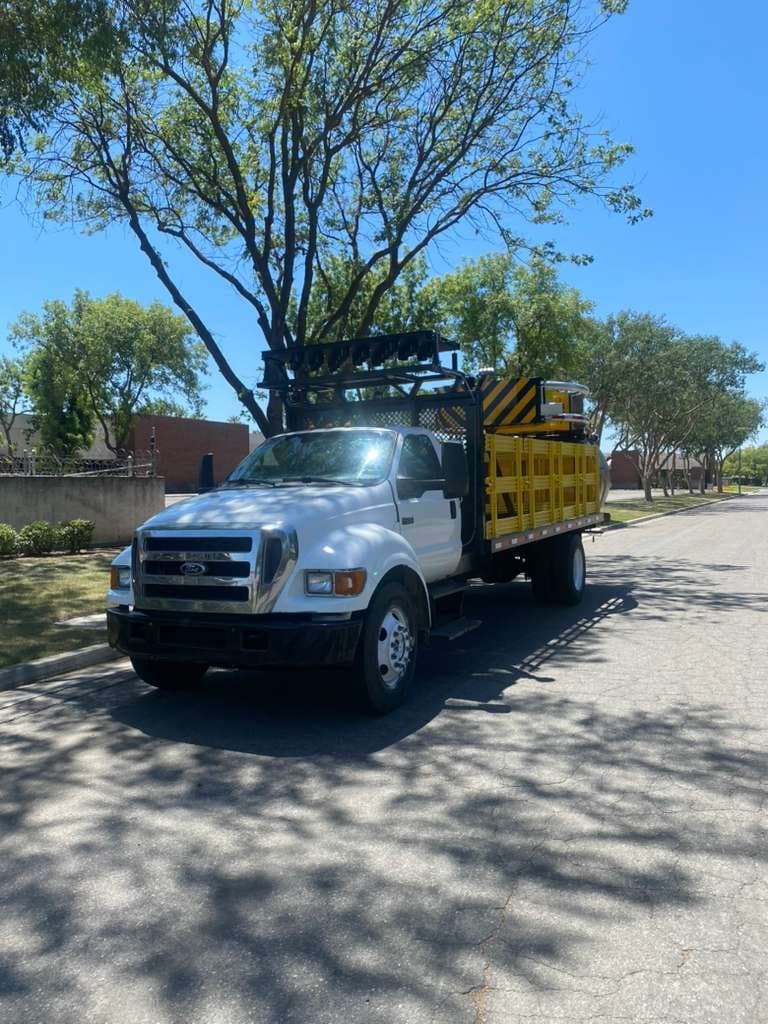
An attenuator only works if the truck behind it holds its ground. Guidance puts the truck-plus-payload minimum around 26,000 lb GVWR so the host vehicle does not get shoved forward — underride — when something hits it. We match ballast and chassis to the attenuator you choose.
FHWA eligibility
A compliant attenuator carries an FHWA Hardware Eligibility Letter stating it meets MASH 2016 at its test level. We sell and upfit MASH-eligible systems and supply the paperwork your agency asks for.
- Is TL-3 always better than TL-2?
- TL-3 takes higher impact speeds, so it fits more jobs. TL-2 is fine and a bit cheaper for zones at 45 mph or less. Plenty of fleets still standardize on TL-3 so one truck works everywhere.
- What GVWR do I need?
- Plan on a minimum of about 26,000 lb GVWR for the truck and payload together to prevent underride. We size ballast and chassis to your attenuator system.
Questions about your fleet?
The Heartland team will spec, source, and service the right compliant setup.