Planning a Work Zone Around Your Crash Truck
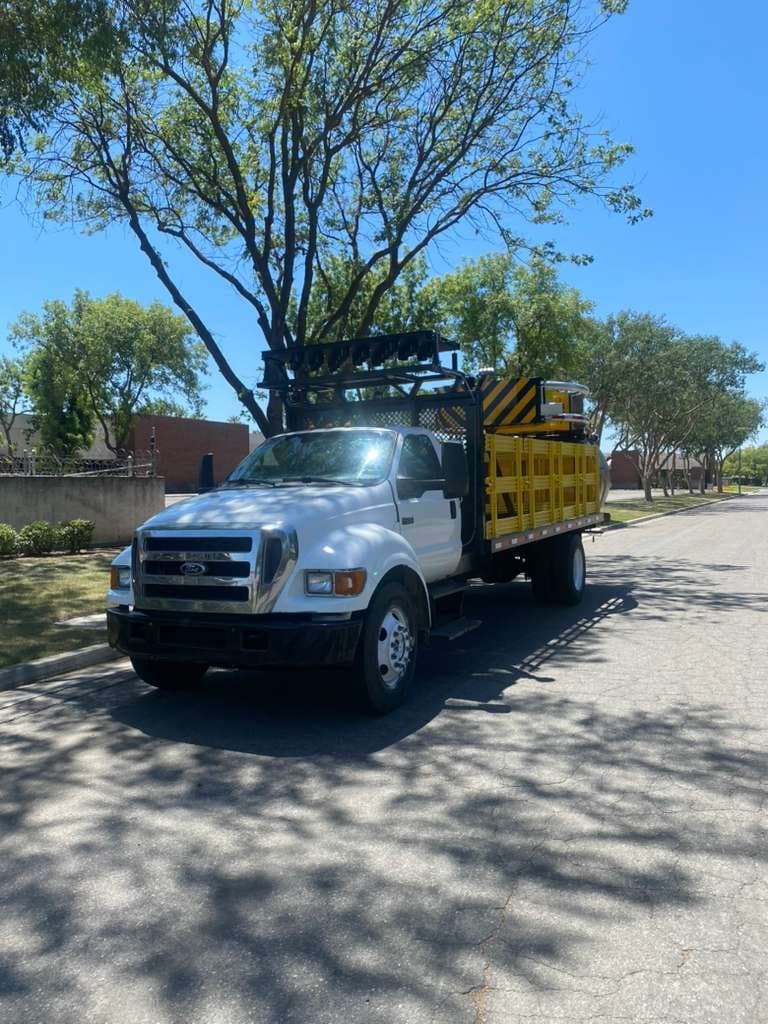
A TMA protects your crew only if it is placed and deployed correctly. Here is a step-by-step approach to setting up a work zone around a shadow vehicle.
The attenuator is only as good as the setup around it. Placement, buffer distance, and signaling all decide whether the truck does its job when a vehicle drifts into the closed lane. Walk through the plan before the crew steps onto the road.
Set the zone up in order
- Match the test level to the speed: TL-2 for 45 mph and below, TL-3 for 50 mph and up.
- Position the TMA behind the work area as a shadow vehicle, aligned to take a hit square, not offset.
- Set a buffer between the truck and the crew so an impact does not push the truck into people.
- Deploy the attenuator fully; confirm the roughly 20-second cycle completed before work starts.
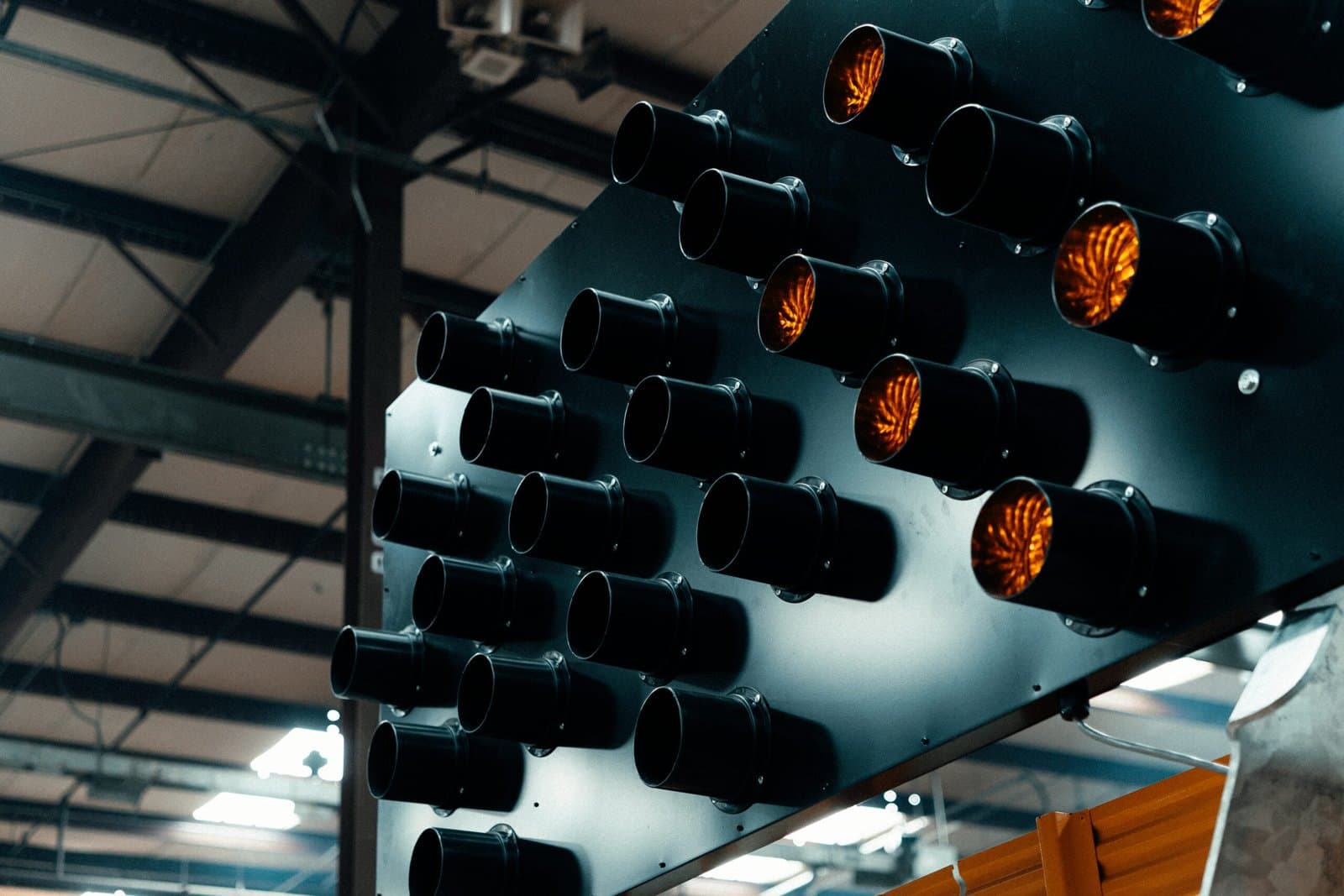
- Aim and power the arrow board so approaching traffic gets a clear lane-change signal.
Match the buffer to the conditions
The buffer is not a fixed number. Higher speeds, wet pavement, and heavy traffic all argue for more distance between the truck and the crew, because an impact can shove the truck forward. Give people room. The whole point of the shadow vehicle is to keep the collision away from them, and a short buffer undercuts that.
Confirm the truck plus payload meets the roughly 26,000 lb GVWR target before deployment. An under-weight truck can be pushed further and can let a vehicle underride.
Need a truck spec'd or serviced?
Tell us the job and we'll help — to buy, rent, or lease.