What Changed in Attenuator Technology Through 2025
The big shift is not a new gadget. It is the full move to MASH 2016 and the equipment built specifically to meet it, from higher test levels to smarter board integration.
People expect new equipment to mean flashy features. In attenuators, the real story of the last few years is the standard itself. MASH 2016 reshaped what a compliant unit looks like, and manufacturers rebuilt their lineups around it.
Higher, cleaner test levels
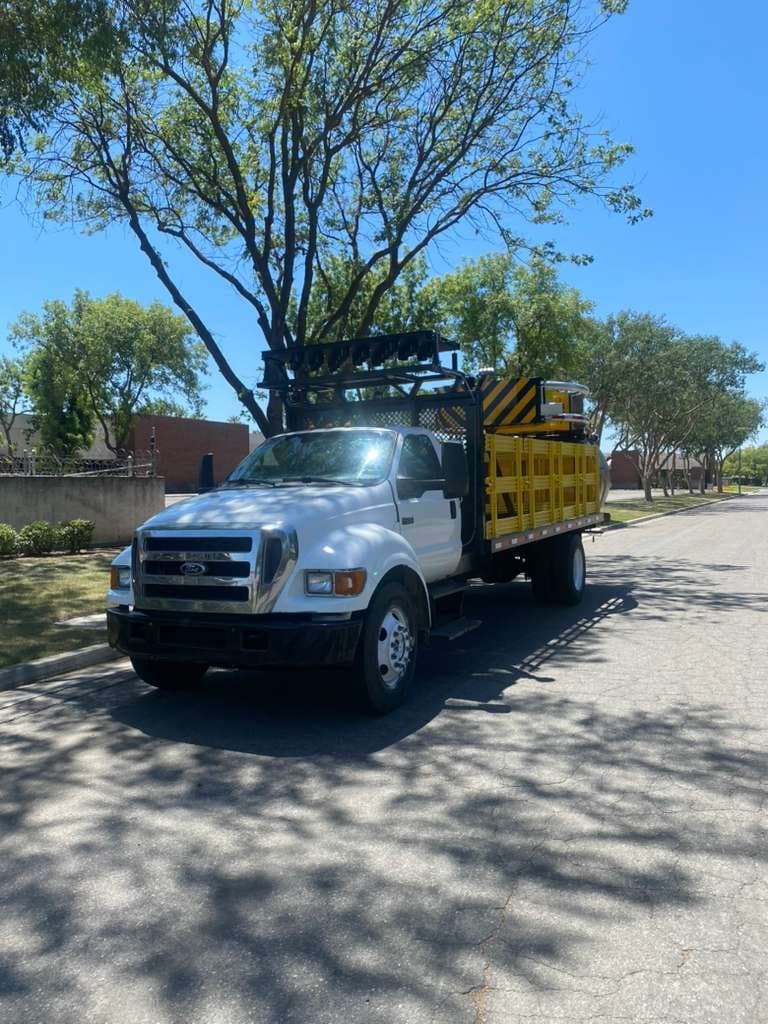
Current units are engineered around specific MASH test levels rather than the old NCHRP 350 targets. TL-3 attenuators are tested near 62 mph, and some applications add optional testing to 70 mph. The Scorpion II is a TL-3 non-blade design, while the Blade absorbs impact through 12 crumpling blades. Both carry FHWA eligibility letters.
Boards that work with the truck
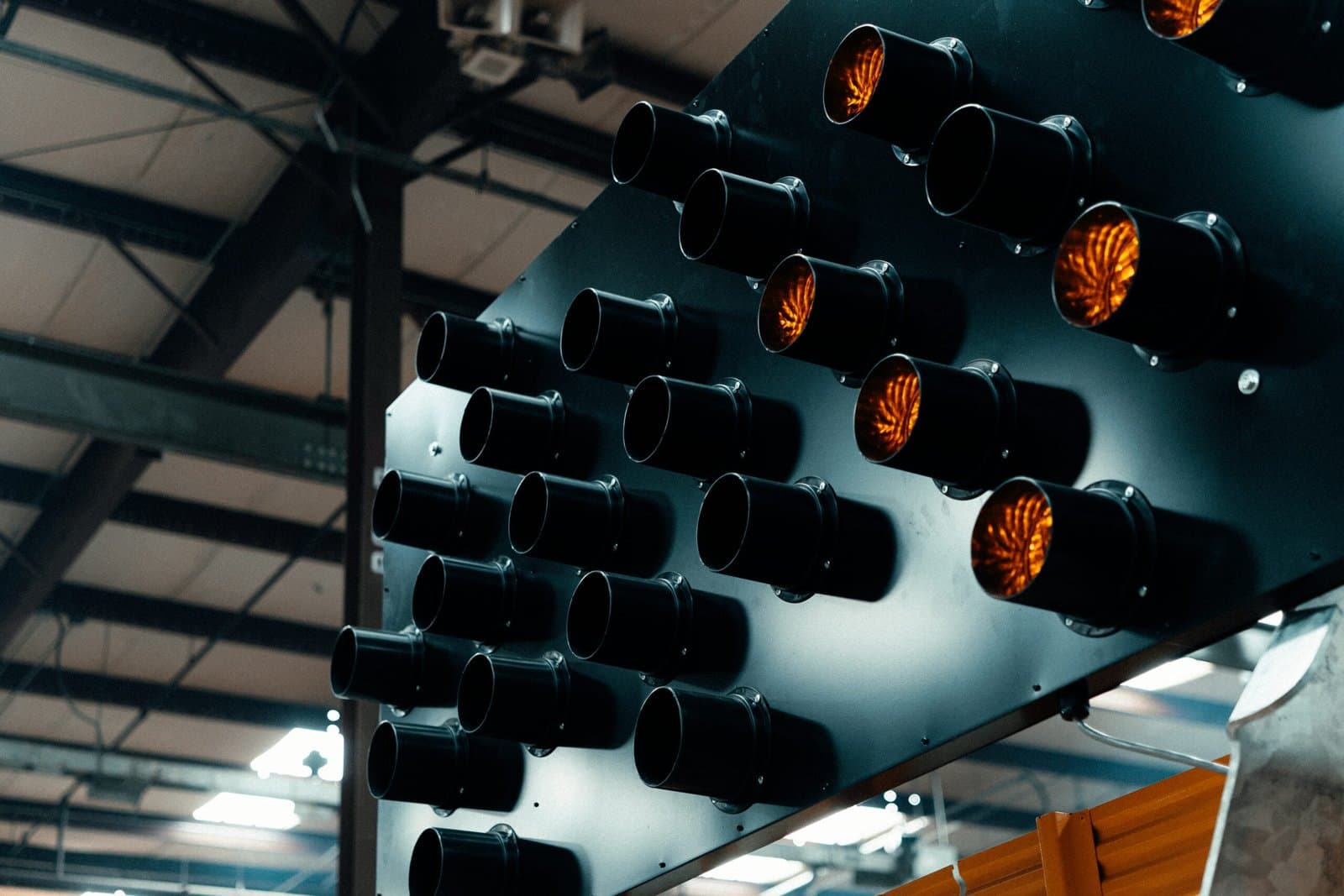
- 15-lamp and 25-lamp arrow boards for lane closures
- Changeable message signs for detours and speed advisories
- Integrated wiring so the board and the truck operate as one unit
The gains are practical. Faster, more reliable deployment, roughly 20 seconds to drop and about 10 minutes to transfer between trucks, plus board setups that a crew can actually see from a distance.
The most useful upgrade for most fleets is not new hardware, it is retiring pre-2023 non-MASH-2016 units before the 2030 deadline forces the issue.
Need a truck spec'd or serviced?
Tell us the job and we'll help — to buy, rent, or lease.